10 hr
Douro Valley Wine & River Discovery from Porto
- Expert local guide
- Small group
- Skip-the-line access
- Free cancellation
Douro Valley Train Tour from Porto — Scenic Rail & Wine Country
Wind through terraced vineyards and granite gorges, one curve at a time.
Compare fares, pick the fit — all bookings are mobile-voucher and eligible for free cancellation where shown.
10 hr
10 hr
10 hr
Selecting the right transport for your douro valley train tour from porto depends on whether you prefer the autonomy of public rail or the curated experience of a seasonal historic excursion. These douro valley train tour from porto tickets offer different ways to explore the UNESCO-listed landscapes.
|
Top pick Standard Regional Train Flexible Public Rail |
Douro Historical Train Seasonal Vintage Experience | |
|---|---|---|
| Access Method | Station ticket office or CP.pt | CP ticket offices and online |
| Flexibility | High freedom for self-paced stops | Fixed itinerary and schedule |
| Best For | Budget travelers and independent explorers | Train enthusiasts and history seekers |
| Includes | Train travel across Douro Line | Round-trip vintage steam ride and music |
| Wait Time | None (unlimited availability) | Book in advance (limited seating) |
| See tickets & prices |
Verdict: For most visitors, the flexible regional rail service provides the most convenient douro valley train tour from porto for spontaneous exploration.
Worth it for wine lovers and scenic escapes
A douro valley train tour from porto delivers terraced vineyards, river views, and UNESCO-listed landscapes along one of Europe's most dramatic rail routes. Bookable packages bundle train travel with wine tastings, river cruises, and quinta visits, typically running €80–150 depending on inclusions. The journey itself—winding through the Pinhão corridor—is the main draw, but most douro valley train tour from porto tickets pair it with cellar tours and lunch at family estates. Worth it if you want a full-day immersion in Portugal's wine country without driving narrow hillside roads. Less compelling for travelers prioritizing Porto's urban landmarks over rural tastings, or those who've already explored the Douro by car. The Linha do Douro train route remains one of the region's signature experiences, especially during harvest season when the valley turns amber.
Bottom line: Book it if wine and landscape matter more than city sightseeing—the Douro Valley train delivers both in a single journey.
Most visitors find that a douro valley train tour from porto offers the most authentic connection to the region's landscape, while guided river cruises and van tours excel at providing seamless logistics and direct access to quintas.
|
Top pick Train Journey |
Guided Cruise/Van | |
|---|---|---|
| Flexibility | Independent schedule | Fixed itineraries |
| Scenic Immersion | Direct rail corridor views | Varied terrain and river vantage |
| Wine Estate Access | Requires additional local transport | Direct door-to-door service |
| Cost | Low (tickets from 15 EUR) | High (packages from 95 EUR) |
| Effort Level | Requires navigation and planning | Fully managed logistics |
| Duration | Flexible per schedule | Defined 8–10 hour loops |
| See tickets & prices |
Verdict: Choose the train to enjoy the slow-paced Douro valley train tour from porto tours experience, or select a van tour for deeper vineyard exploration via these douro valley train tour from porto tickets alternatives.
Hand-picked experiences loved by thousands of travelers
7 hours
Free Cancellation
Journey through Portugal's wine country by river, rail, and vineyard with lunch and tastings included
9–10 hours
Free Cancellation
Travel through Vinho Verde and Douro Valley with 10 tastings, a chef-prepared meal, and a private river cruise.
10 hours
Free Cancellation
Full-day wine adventure through two regions with expert guides, family wineries, and scenic boat ride
Approximately 9 hours
Free Cancellation
Explore Portugal's ancient wine country with vineyard visits, regional tastings, and a riverside lunch
9 hours
Free Cancellation
Small-group journey through Portugal's wine country with tastings, river cruise, and train ride
8 hours
Free Cancellation
Escape Porto for a full-day wine country adventure by rail, boat, and vineyard trail
8 hours
Free Cancellation
Explore the world's oldest wine region with a local guide, cruise the river, and dine at a private estate.
7 hours
Free Cancellation
Journey through UNESCO vineyards by historic rail, taste regional wines, and cruise the Douro River
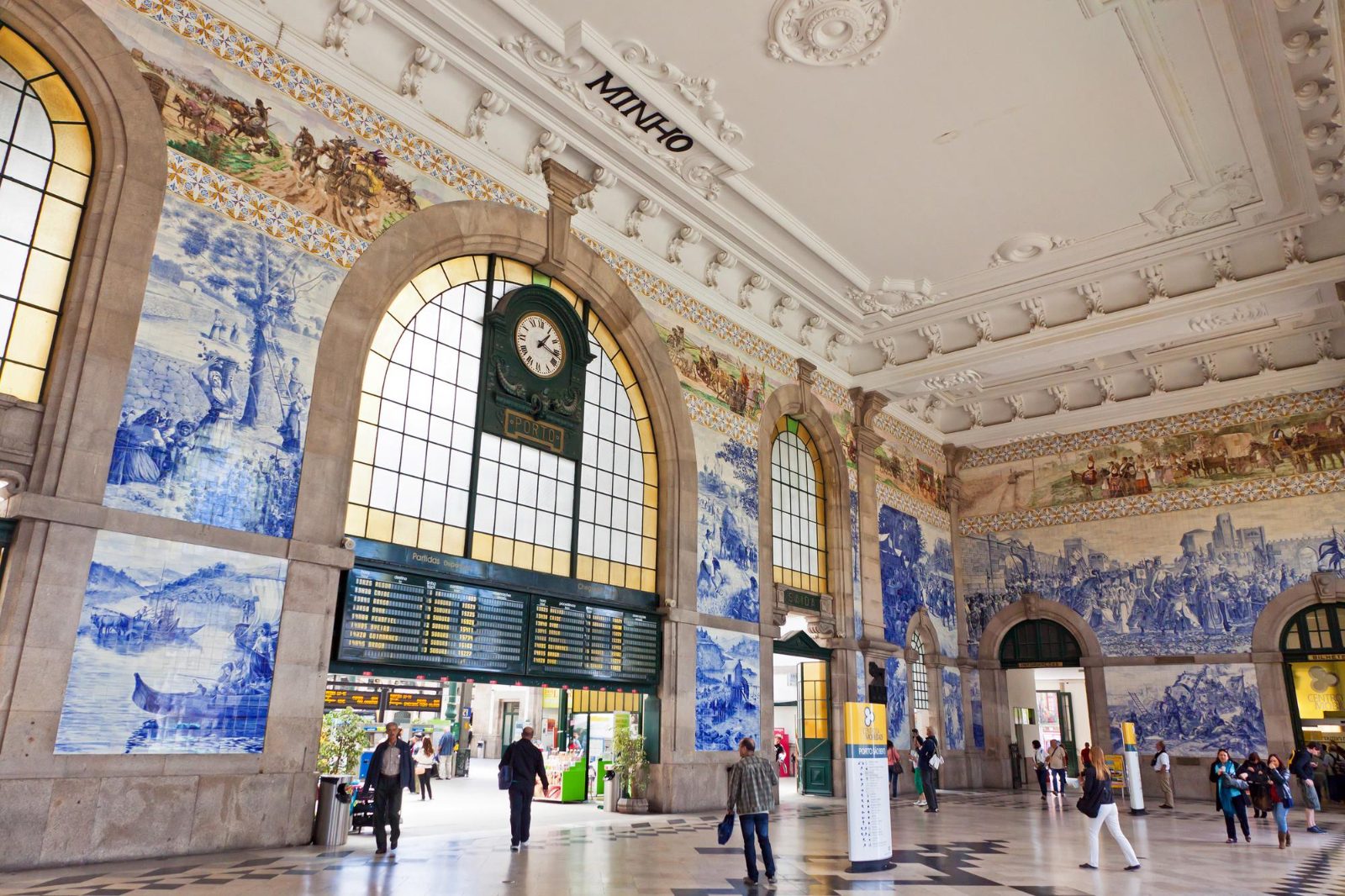
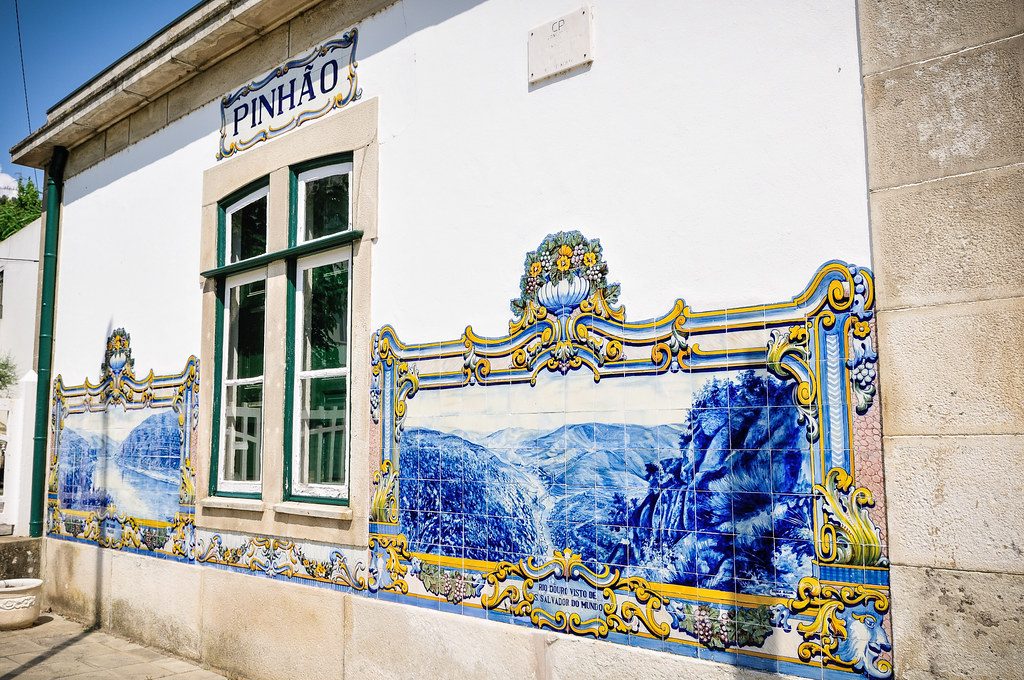
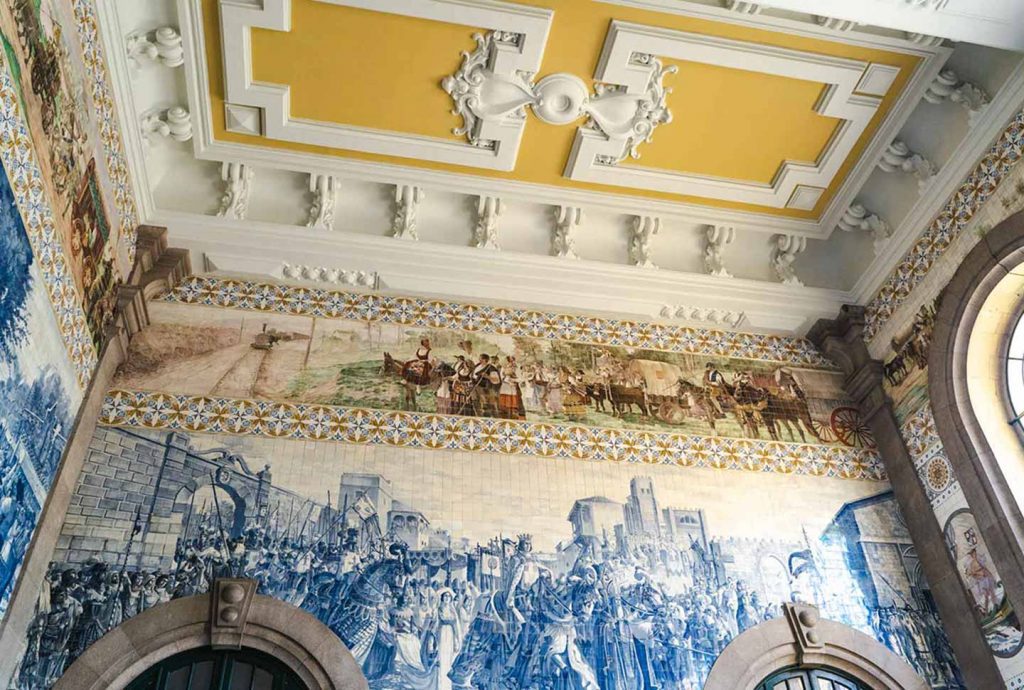
The station walls are covered in over 20,000 blue and white ceramic tiles depicting historical scenes. These tiles were created by Jorge Colaço and represent key moments in Portuguese history.
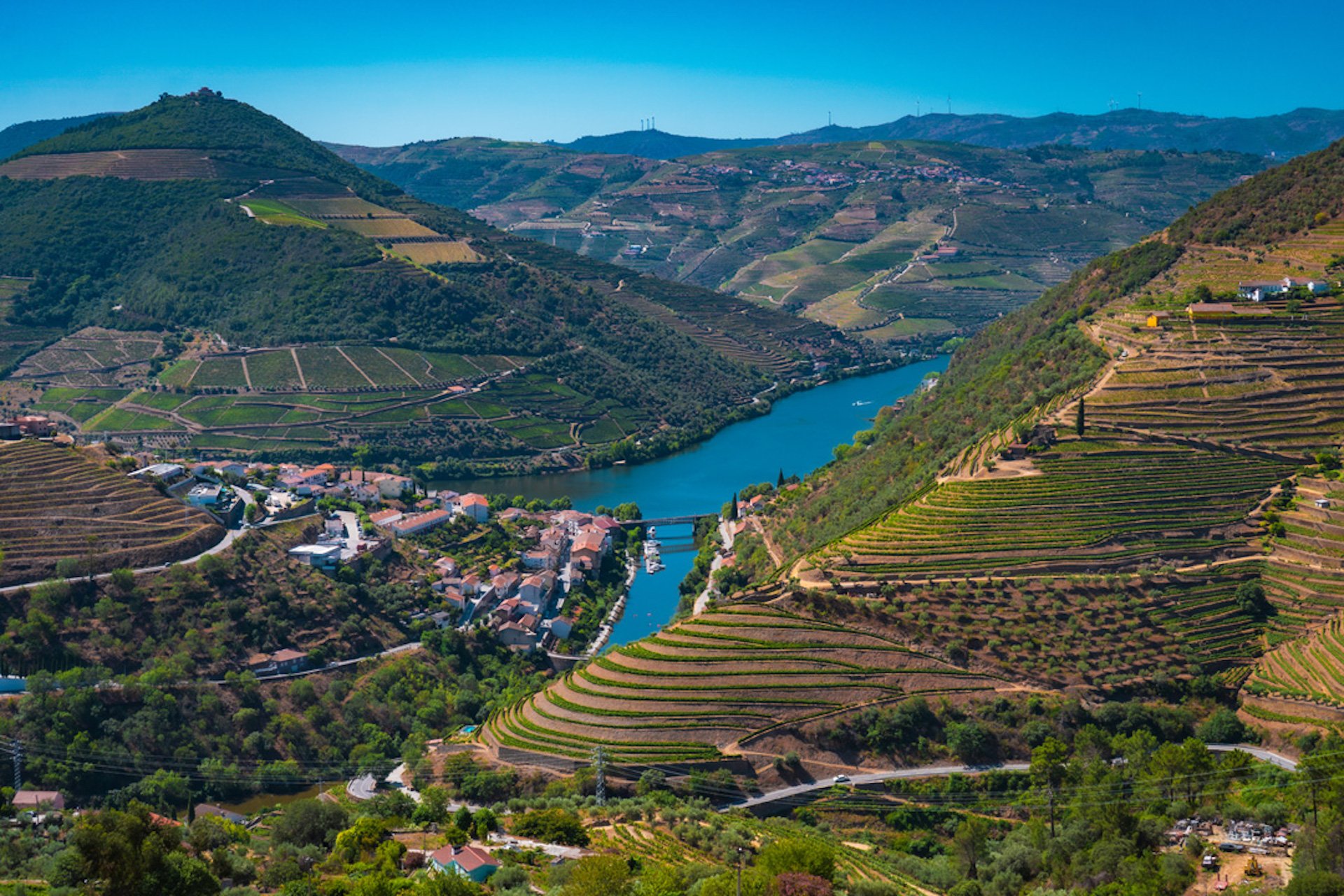
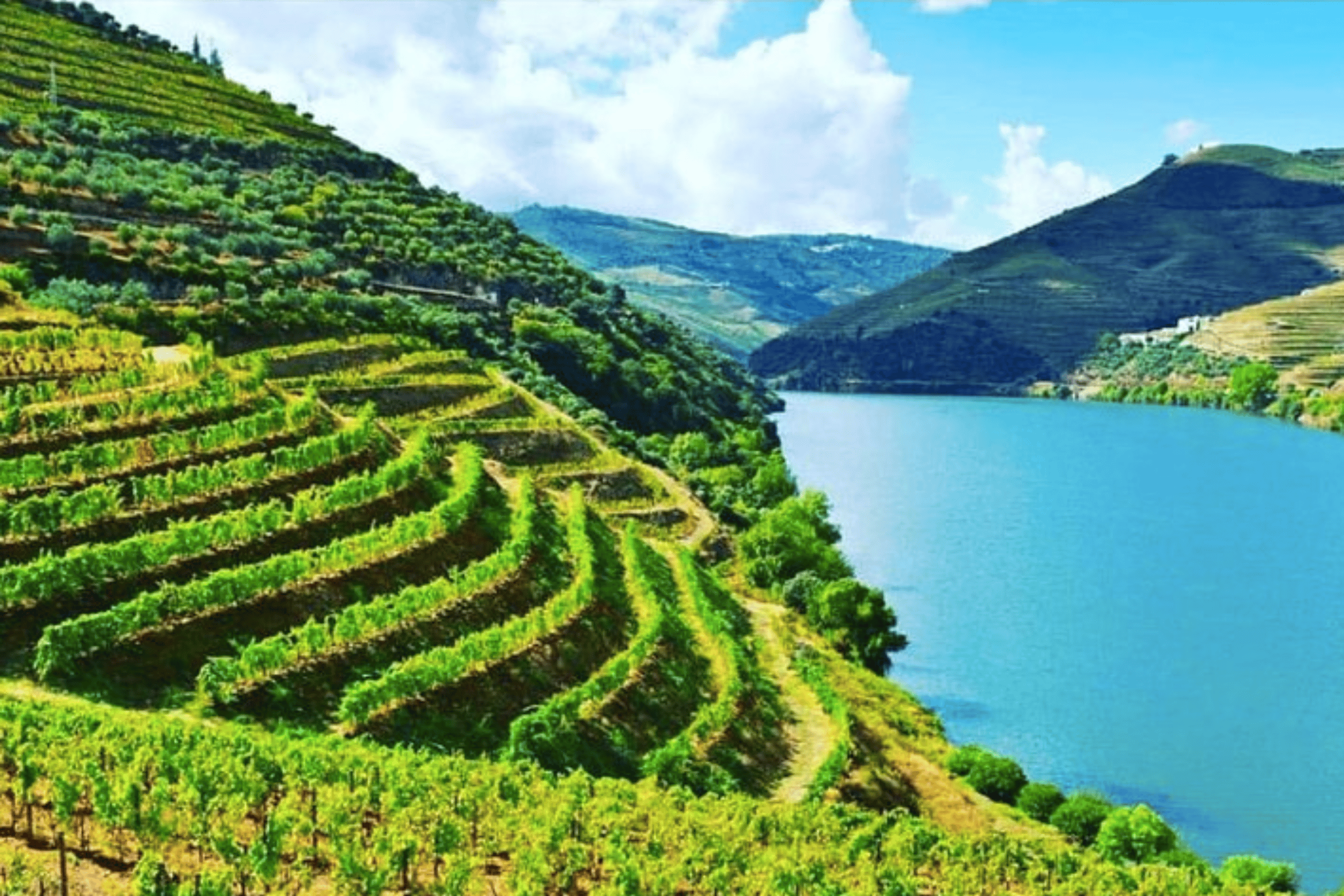
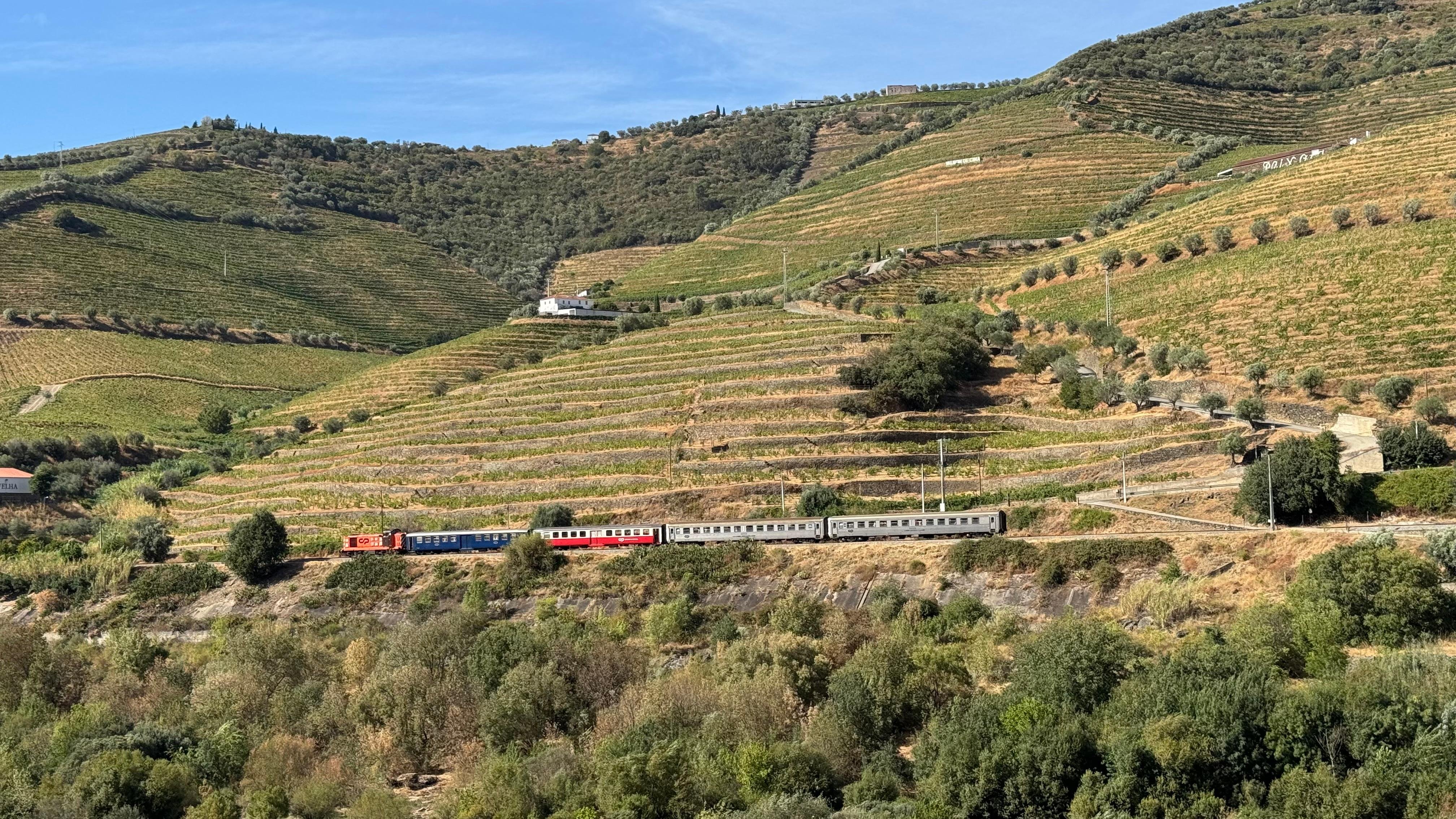
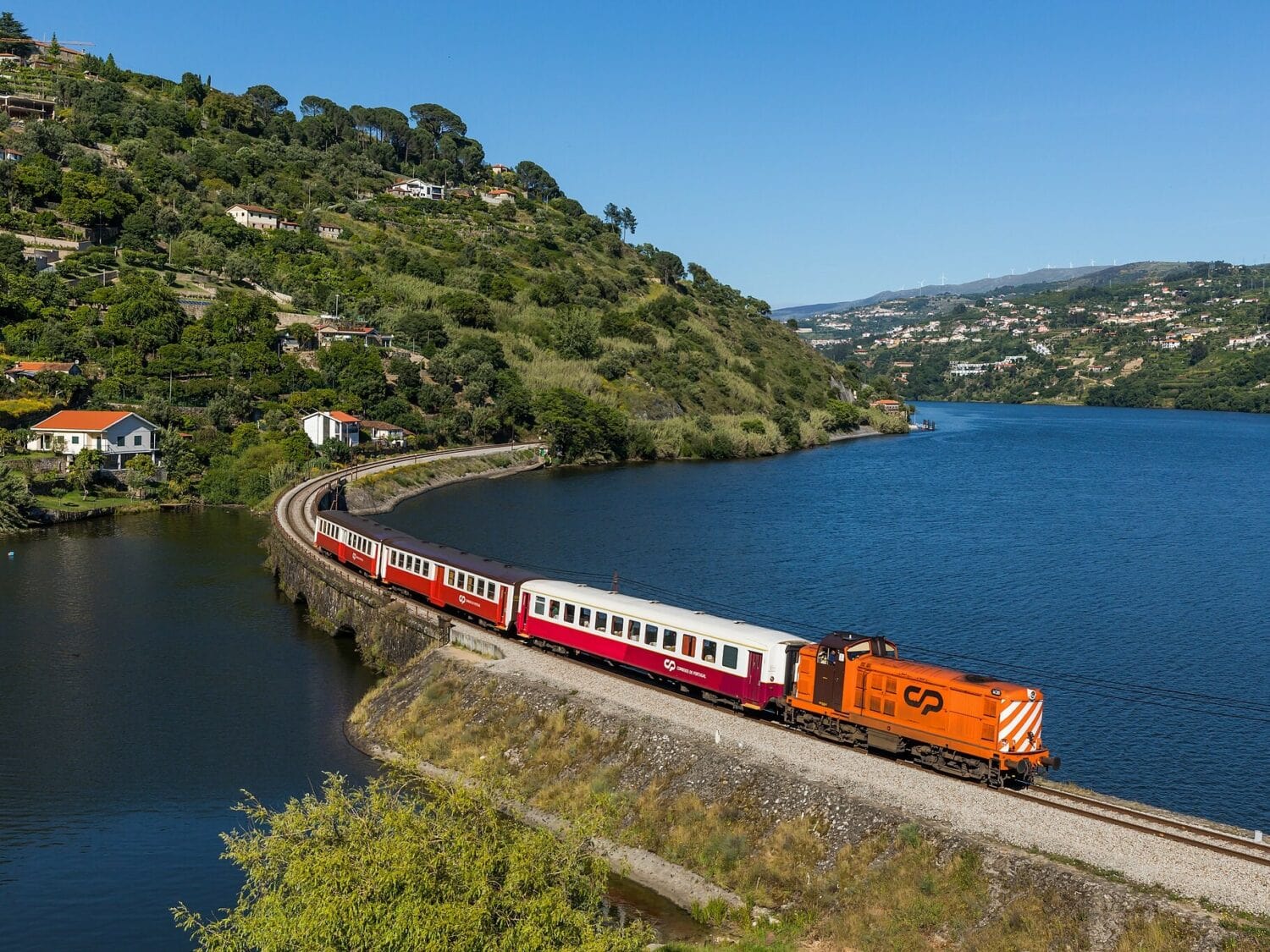
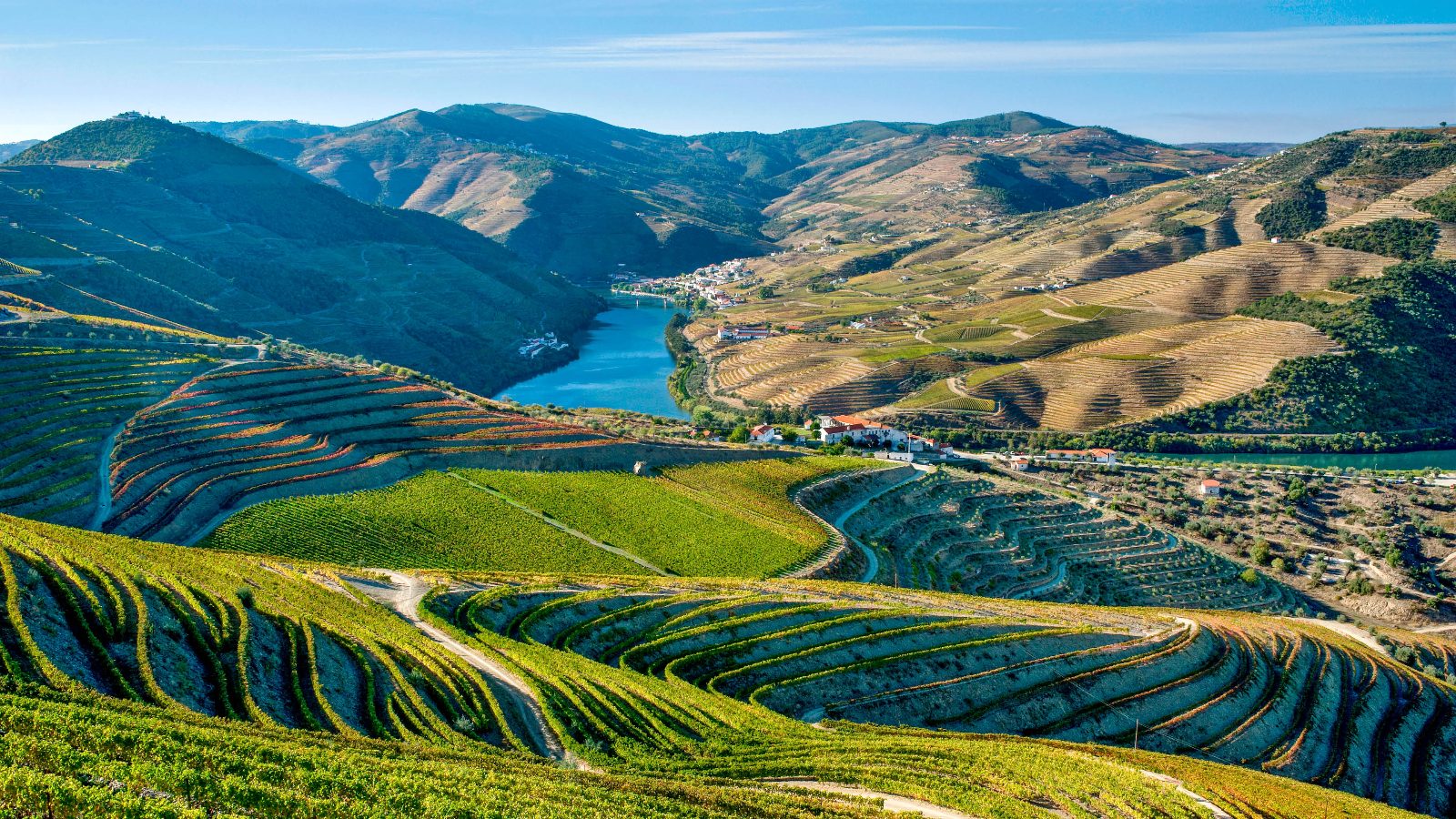
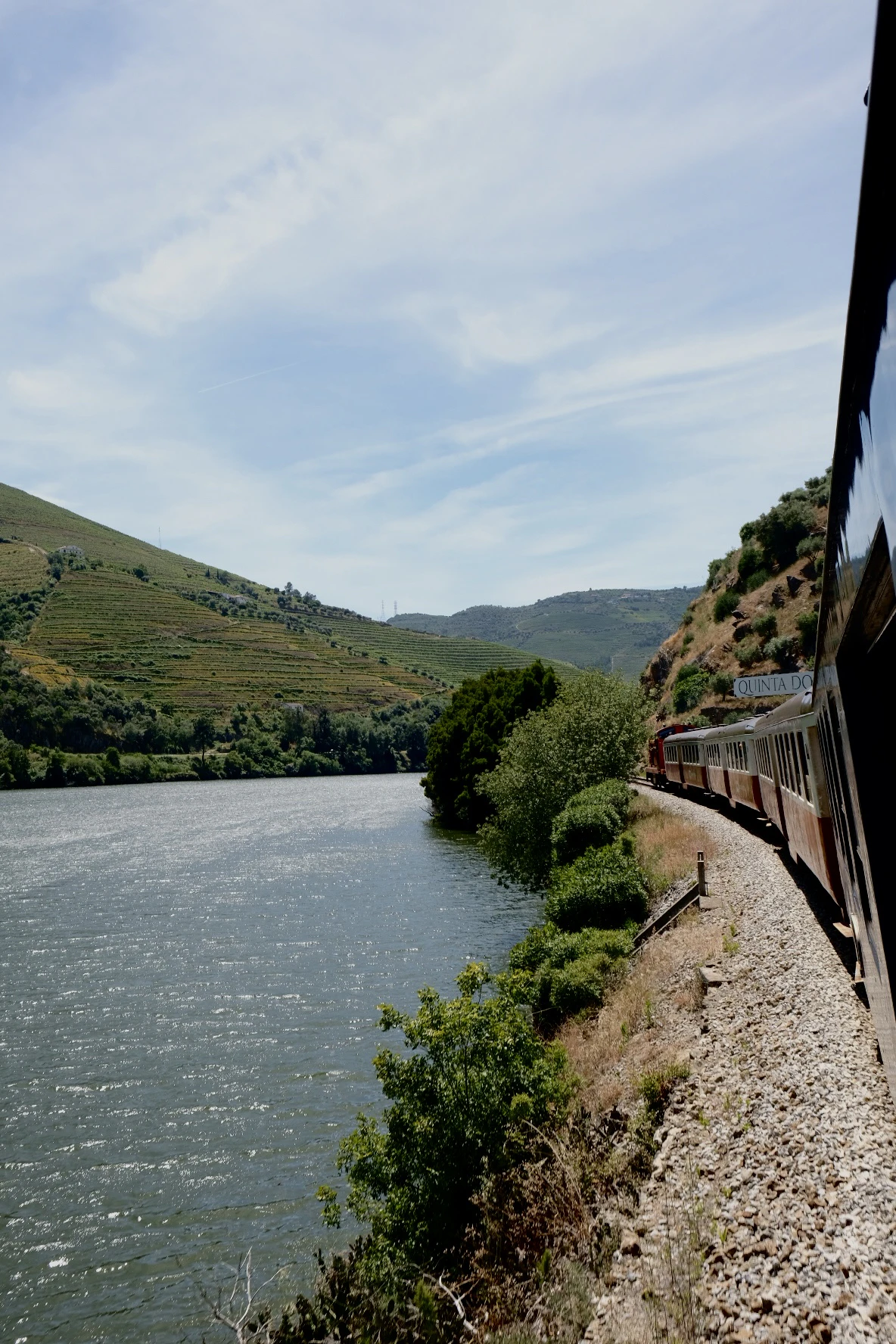
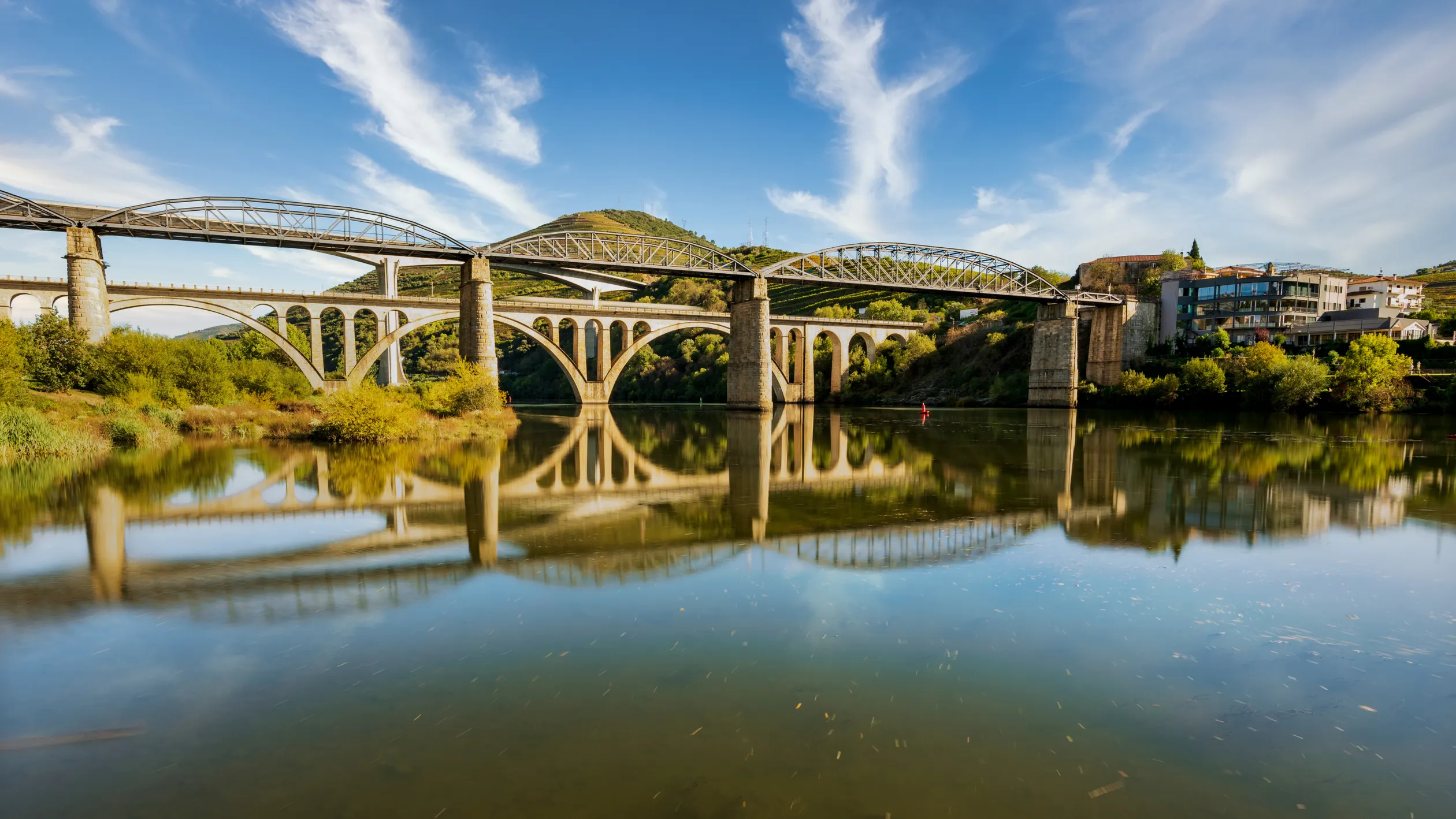
The train track runs directly alongside the river for much of the journey. This provides views of the steep, terraced vineyards that comprise this UNESCO heritage landscape.
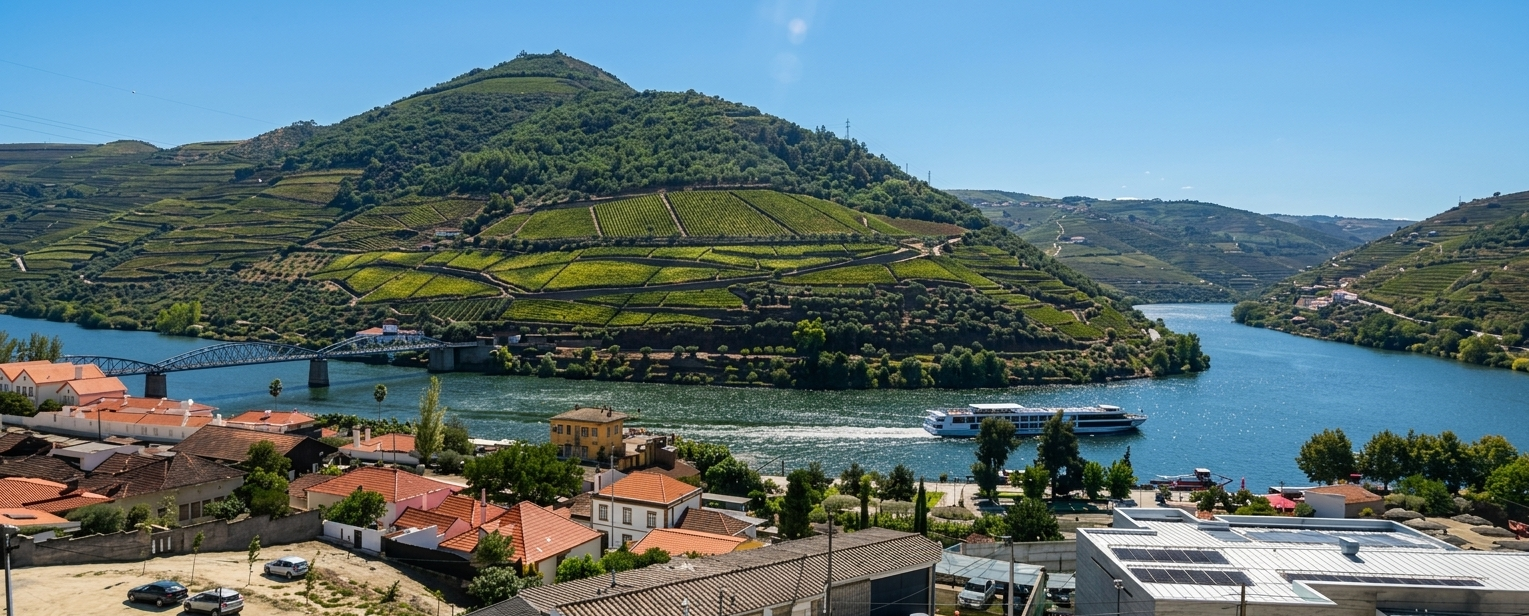
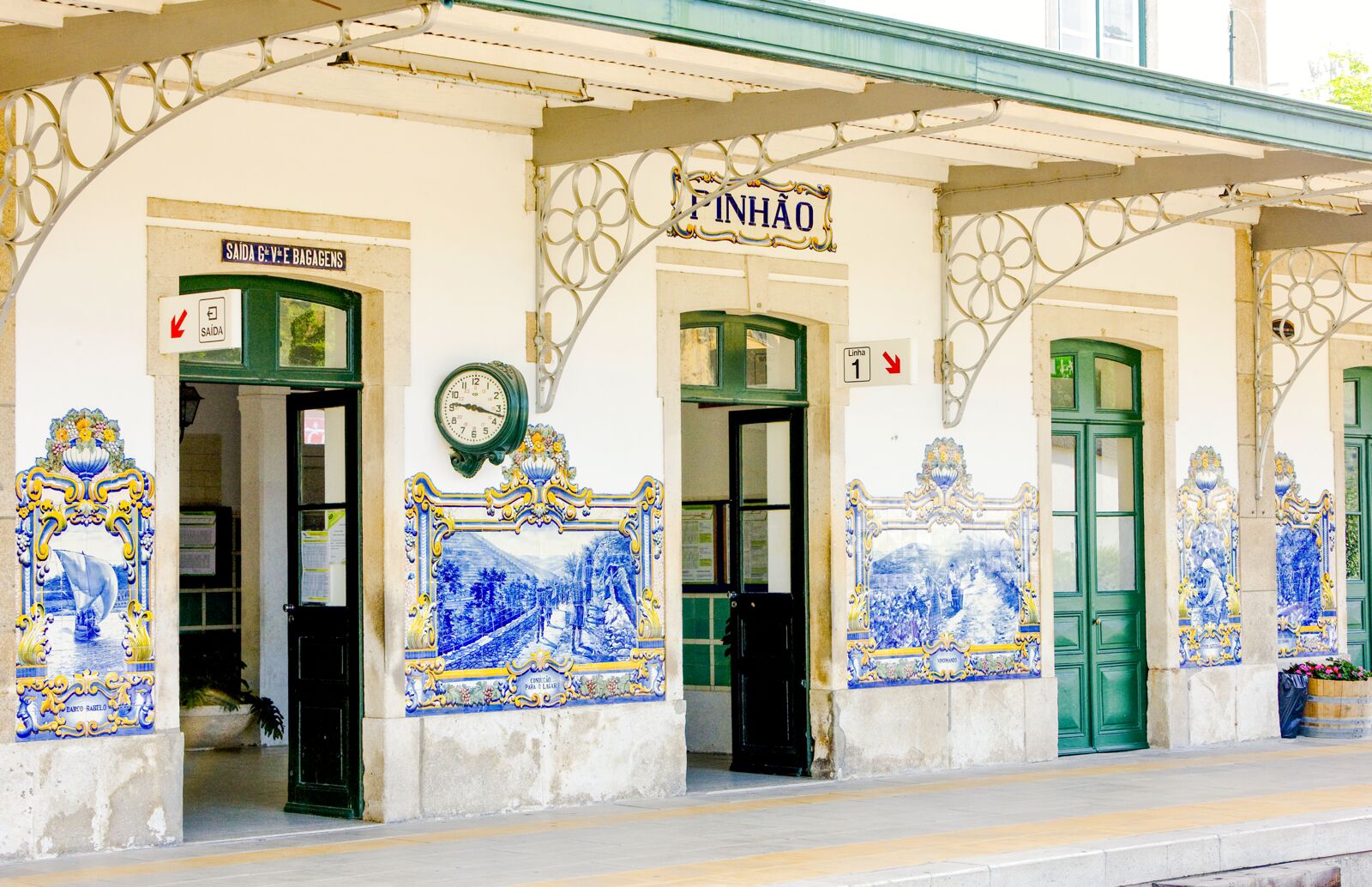
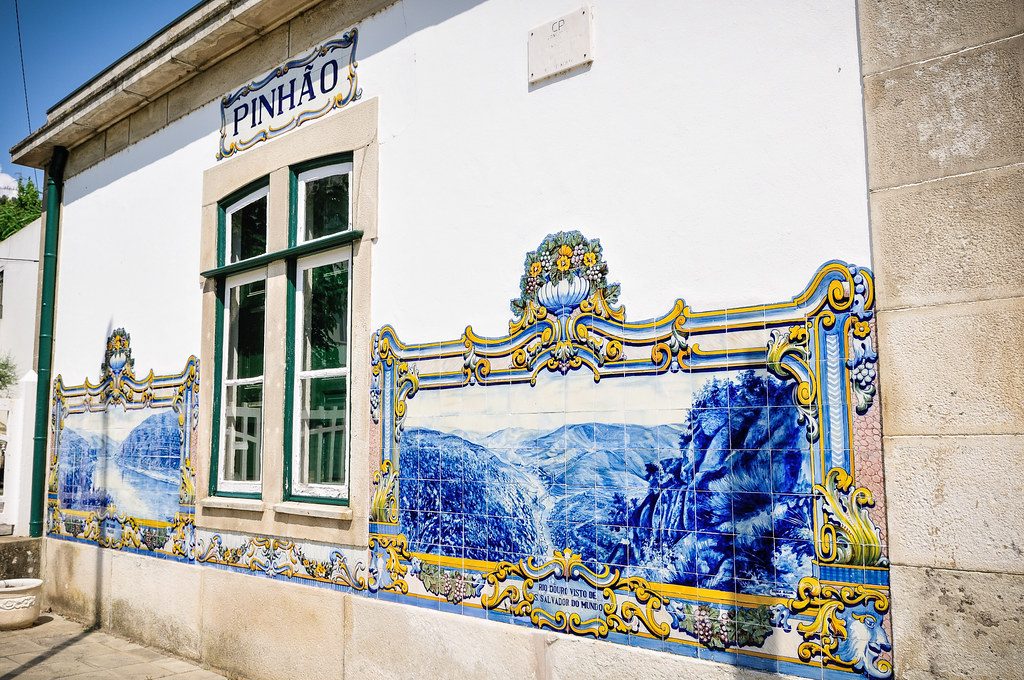
This small station is renowned for its decorative tile panels showing the wine production process. It serves as a central stop for visitors exploring the vineyards in the region.
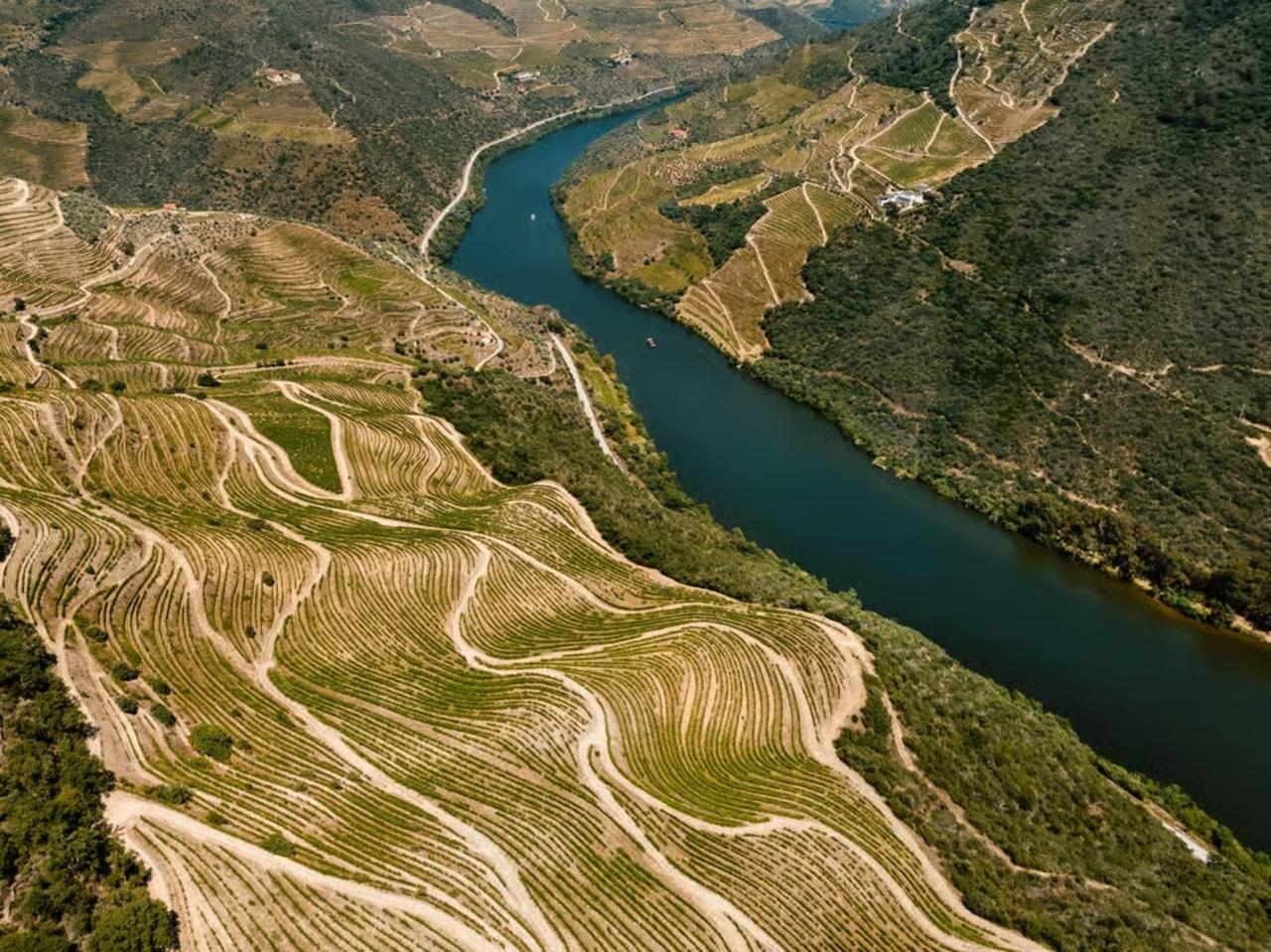
The valley is famous for its hand-built stone terraces that have supported viticulture for centuries. You can see these unique agricultural structures clearly from the train window.
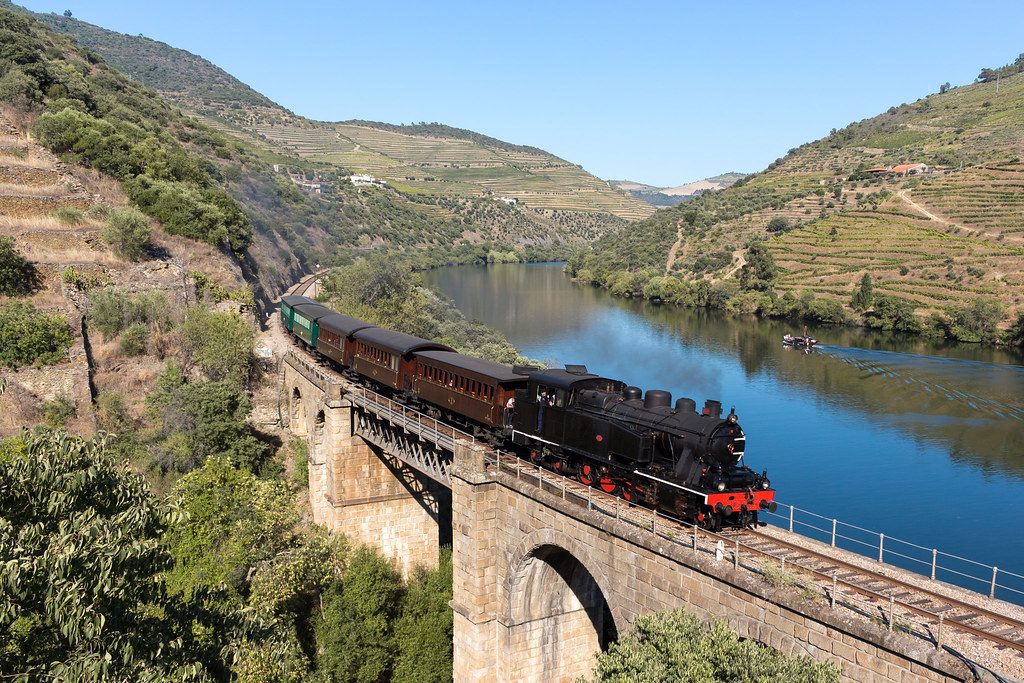
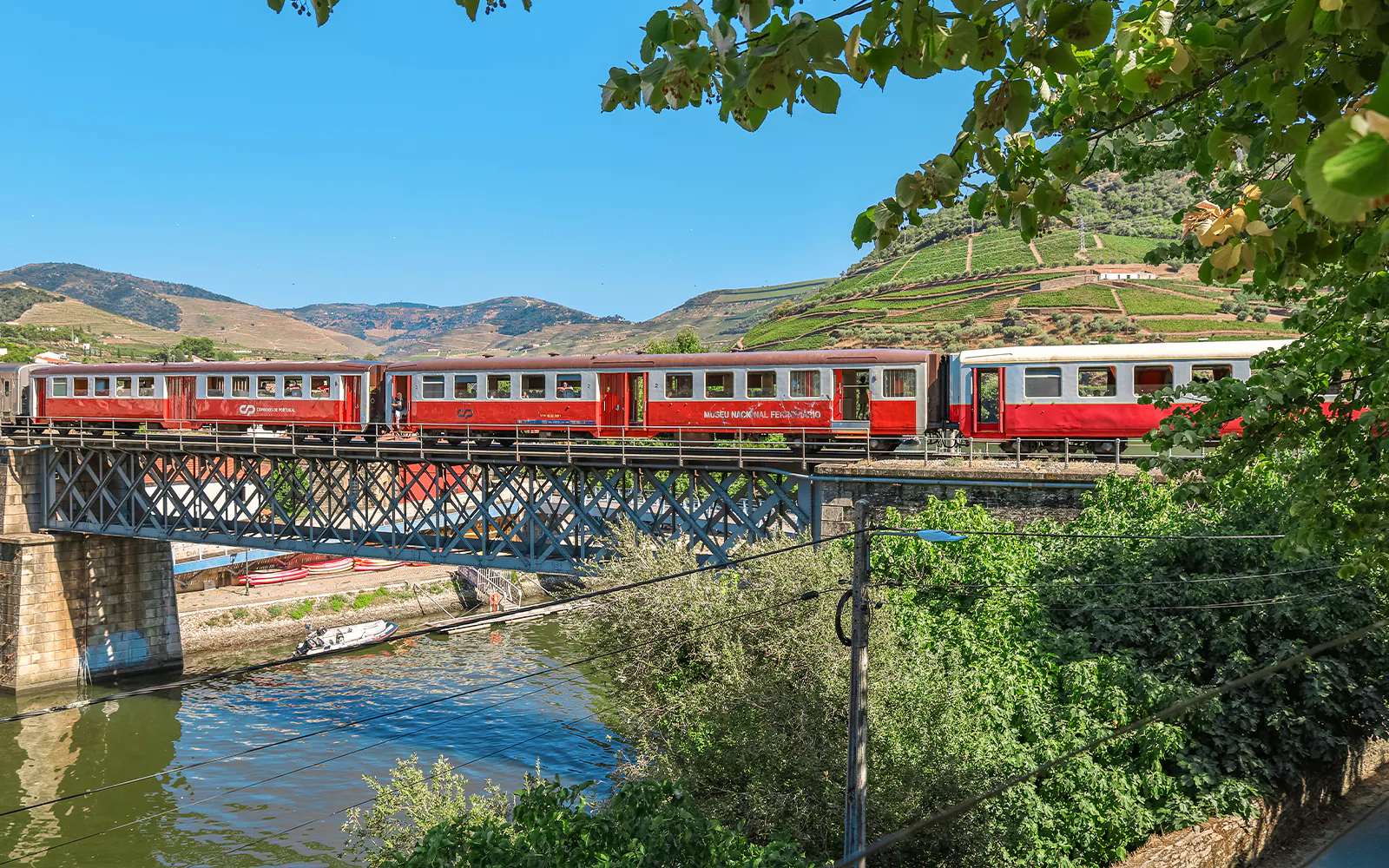
The vintage and modern train carriages offer a unique way to traverse the region's tunnels and bridges. It remains the most traditional method for a scenic douro valley train tour from porto.
You board at São Bento beneath Colaço's azulejo panels, the morning light slanting through arched windows onto blue-and-white ceramic. The train pulls away through Porto's northern suburbs, crossing the Douro on a steel truss bridge before turning inland.
Within twenty minutes the suburbs yield to terraced vineyards, the river reappearing as the track descends into the valley proper.
At Peso da Régua—an hour and fifty minutes from Porto—the train pauses at a platform lined with oleander. If you continue to Pinhão, another forty minutes brings you to the valley's heart: quintas visible on both banks, their whitewashed walls stark against schist terraces, small motor boats tied to stone quays below the station. The final stretch to Pocinho narrows further, the river threading between cliffs where cork oaks cling to outcrops and the track hugs the water's edge.
You step off onto a gravel platform, the air warmer here than in Porto, the sound of the river audible between station announcements. Return trains depart hourly through late afternoon, but most visitors linger for a tasting or a riverside meal before boarding the westbound service that retraces the route in evening light.
All the details about your upcoming adventure in one place
The Linha do Douro railway opened in 1887, carving 125 miles of track along the river's southern bank through schist slopes that had grown grapes since Roman occupation.
Engineers blasted thirty-four tunnels and laid stone viaducts across tributary valleys to connect Porto's São Bento station with the Spanish border at Barca d'Alva, creating what remains one of Europe's most dramatic rail corridors. Today the line carries regional trains that pause at granite-walled villages—Pinhão, Peso da Régua, Pocinho—where wine estates cluster above the water and narrow-gauge tracks once hauled oak barrels down to riverside warehouses.
The Douro Valley earned UNESCO World Heritage designation in 2001 for its Alto Douro Wine Region, a cultural landscape shaped by two millennia of viticulture. The terraced hillsides visible from the train represent labor measured in centuries: stone walls built by hand, vines planted in vertical rows, microclimates governed by altitude and river proximity. Port wine's fortified sweetness was born here in the eighteenth century, when British merchants added brandy to stabilize wines during ocean transport. Modern quintas produce table wines alongside vintage ports, their cellars dug into hillsides that rise eight hundred meters above the river.
São Bento station itself warrants attention before departure. Architect José Marques da Silva completed the Beaux-Arts hall in 1916, but Jorge Colaço's azulejo panels—installed between 1905 and 1916—transform the vestibule into a ceramic chronicle. Twenty thousand hand-painted tiles depict scenes from Portuguese history: battles, harvests, royal processions rendered in cobalt blue. The waiting hall's coffered ceiling and wrought-iron ticket windows remain in daily use, unchanged since the inaugural train to the Douro left the platform over a century ago.
Passengers boarding the regional service today follow the same route, though diesel units have replaced steam locomotives. The journey to Peso da Régua takes two hours; continuing to Pocinho adds another ninety minutes. Morning departures align with vineyard tours and river cruises that meet trains at Pinhão and Régua, where the rail line runs within meters of the Douro's northern bank and stone jetties accommodate small vessels.
Twenty thousand hand-painted tiles depict scenes from Portuguese history: battles, harvests, royal processions rendered in cobalt blue.
Casual and comfortable clothing is recommended for a douro valley train tour from porto. Wear supportive footwear suitable for walking on uneven terrain at destination stops.
Passengers are responsible for their own luggage during their douro valley train tour from porto journey. No formal security screening exists at the station, but keep personal items with you at all times.
Photography is permitted within the Estação de São Bento and aboard the train. Capture the famous azulejo tiles at the station as part of your scenic douro valley train tour from porto.
The scenic route is appropriate for families. Children under certain ages travel at reduced fares on the official douro valley train tour from porto tickets.
The Douro line trains feature spaces for passengers with reduced mobility. Contact CP in advance to ensure assistance at the station for your douro valley train tour from porto.
Passengers may bring personal snacks and water on board. Regional products purchased at destination stops should remain sealed during the commute.
Opening Hours
05:30–23:30
Address
Estação de São Bento, Praça de Almeida Garrett, 4000-069 Porto, Portugal
Accessibility
Level platform access available at main station entries
Best arrival window
07:30–09:00
Official Site
https://www.cp.pt
Public transport · N/A · 0 EUR
Porto Metro to São Bento Station
Ticket refunds are subject to CP operator terms and conditions. The entry fee to train stations is 0 EUR.
Recommended time
Full day
A successful douro valley train tour from porto requires a full day to accommodate the scenic rail transit and local exploration. You should aim to arrive between 07:30–09:00, as this best arrival window helps avoid peak crowds and ensures seating for the journey along the Douro River. Securing douro valley train tour from porto tickets in advance allows for a smooth departure from Estação de São Bento, while those taking a douro valley train tour from porto tours excursion should account for additional buffer time in their itinerary.
Crowd levels through the day
Weather · crowds · average price — dots go green to amber to red as each metric rises.
Mild temperatures and green landscapes define the valley from March to May.
Warm weather perfect for vineyard tours, though crowds peak in July and August.
September to October offers the harvest season with vibrant colors in the vines.
Quieter period suitable for travelers seeking solitude, though some attractions have reduced hours.
Choose seats on the right side of the train when heading toward the valley for optimal river views.
Secure your douro valley train tour from porto tickets online to avoid queueing at the station.
Limit luggage to a single backpack to navigate train platforms and hills easily.
Sample local ports in the village of Pinhão before your return train.
Allow 15 minutes before your departure to view the historic azulejos inside the station.
Praça de Almeida Garrett, 4000-069 Porto
Main concourse near the ticket office
Get directionsThe railway route that carries the douro valley train tour from porto inland began construction in 1875, linking the Atlantic port to Spain through one of Europe's most challenging terrains. Engineers blasted twenty-six tunnels through schist cliffs and suspended the track above the Douro River on stone viaducts, some reaching forty meters high. The Linha do Douro opened in segments between 1879 and 1887, funded by British capital eager to accelerate port wine shipments from quintas to coastal cellars. Laborers died in rockfalls and dynamite accidents; records from the Companhia Real dos Caminhos de Ferro Portugueses list forty-three fatalities during the Pinhão-to-Tua section alone. By 1906 the line extended to Barca d'Alva on the Spanish frontier, cementing the route as a freight artery for wine estates and grain merchants. Passenger service flourished in the 1920s, with steam locomotives hauling wooden carriages past terraced vineyards and whitewashed quintas. Diesel railcars replaced steam in the 1960s, cutting journey times but triggering protests from preservationists who feared the loss of scenic heritage. Flooding in 1962 destroyed two riverside stations and washed away track near Ferradosa, forcing a six-month closure and costly reconstruction. Electrification reached Porto's São Bento terminus in 1995, though the Douro line itself remains diesel-operated to preserve its vintage character. UNESCO classified the Alto Douro Wine Region in 2001, amplifying international interest in the rail journey as a cultural experience rather than mere transport. Comboios de Portugal introduced dedicated tourist services in 2004, pairing historic rolling stock with onboard wine tastings and multilingual guides. Today the route threads through the same tunnels and crosses the same iron bridges that carried the first port wine barrels to Porto, its alignment unchanged since 1887. Travelers on douro valley train tour from porto tickets board at the azulejo-tiled São Bento station, where departure boards still list the Linha do Douro alongside commuter lines, a working railway that doubles as a moving museum of nineteenth-century engineering and viticulture.
Construction begins on the Linha do Douro, funded by British investors to accelerate port wine transport from inland quintas to Porto.
The railway opens in segments, with engineers blasting twenty-six tunnels through schist and building stone viaducts above the Douro River.
The line extends to Barca d'Alva on the Spanish border, completing a freight and passenger artery through the wine region.
Severe flooding destroys two riverside stations and washes away track near Ferradosa, forcing a six-month closure and rebuild.
Electrification reaches Porto's São Bento terminus, though the Douro line retains diesel traction to preserve its heritage character.
UNESCO designates the Alto Douro Wine Region a World Heritage Site, elevating the train route to a recognized cultural journey.
Comboios de Portugal launches dedicated tourist services with vintage carriages, onboard tastings, and multilingual commentary.
Position yourself in the main atrium to capture the blue-and-white tile panels depicting historical scenes before starting your douro valley train tour from porto.
Step off the carriage to photograph the traditional tile work depicting wine harvests on the station walls, a hallmark of the Douro line.
Secure a seat on the right side of the train when traveling from Porto to Regua for the clearest vantage points of the river and terraced vineyards.
Capture the steel railway bridge and surrounding river landscape as the train slows upon approaching this central station.
Planning a douro valley train tour from porto with children requires careful timing to ensure a comfortable experience on the scenic rail line. Focusing on these logistical details helps families manage the journey through the terraced vineyards effectively.
Most train carriages have limited space, so compact, foldable strollers are recommended for navigating the station at Praça de Almeida Garrett. Please note that stations and older train cars may have steps that require lifting your gear
This excursion is well-suited for school-aged children who can appreciate the river views and handle the transit time. Infants and toddlers may find the long duration of the douro valley train tour from porto tours challenging without frequent breaks
Major stations generally lack specialized baby-change facilities, so prepare your travel bag accordingly for the journey. It is advisable to use restrooms before boarding since onboard facilities vary in size and accessibility
The best arrival window of 07:30–09:00 is essential to secure seats, as crowded cars can be difficult for families to navigate. Selecting douro valley train tour from porto tickets early allows you to plan your return trip around the children's nap or meal schedule
Bring sufficient snacks and water for the trip, as service options on regional lines can be limited compared to urban transit. You may purchase douro valley train tour from porto tour supplies in Porto before your departure to ensure you have child-friendly provisions for the ride
Dining options are concentrated near the arrival hubs of Pinhão and Peso da Régua, offering authentic regional cuisine for travelers embarking on a douro valley train tour from porto. Whether you seek a quick bite or a relaxed meal, these venues provide a perfect pause in your scenic rail journey through this UNESCO heritage landscape.
Located near the river in Peso da Régua, this spot features local specialties like roasted cod and regional wines. It is a reliable choice for those securing douro valley train tour from porto tickets who want a seated meal near the station.
Situated directly in Pinhão, this cafe offers light sandwiches and coffee with views of the terrace vineyards. It serves as a convenient stop to grab refreshments before your douro valley train tour from porto tour continues.
Housed in an old warehouse near the Régua station, this venue highlights sophisticated Portuguese ingredients. Visitors often prefer this location when planning douro valley train tour from porto tours that include a longer midday break.
Everything you need to know for your journey
The Estação de São Bento is open daily from 05:30–23:30 to facilitate your journey. Rail operations run throughout these hours based on the train schedule.
Tickets for any douro valley train tour from porto can be purchased via the official CP website or at station kiosks.
The station and trains provide accessibility support; please confirm specific requirements at the station desk before your douro valley train tour from porto departure.
The best arrival window is 07:30–09:00 to avoid crowds and secure a good seat for your douro valley train tour from porto.
Children are encouraged on the douro valley train tour from porto as it is a family-friendly scenic experience.
You may bring snacks and drinks on the douro valley train tour from porto to enjoy while viewing the landscape.
There is no formal dress code, though comfortable attire is recommended for your douro valley train tour from porto adventure.
Cancellation policies for your douro valley train tour from porto tickets depend on the specific fare purchased via CP.
Photography is highly encouraged during the douro valley train tour from porto to capture the scenery and station architecture.
Iconic double-deck metal arch bridge spanning the Douro River.
Historic Romanesque cathedral overlooking the city center.
19th-century neoclassical building serving as the city's stock exchange.
Baroque bell tower offering panoramic views of Porto.
Historic riverside area with many guesthouses.
Central area near major transport hubs.
Coastal area with upscale hotels and sea views.
Join thousands of happy travelers who have discovered this incredible experience
Book Your Experience Now