10 hr
Douro Valley Wine & River Tour from Porto
- Expert local guide
- Small group
- Skip-the-line access
- Free cancellation
Douro Valley Tours — River Cruises & Terraced Quintas
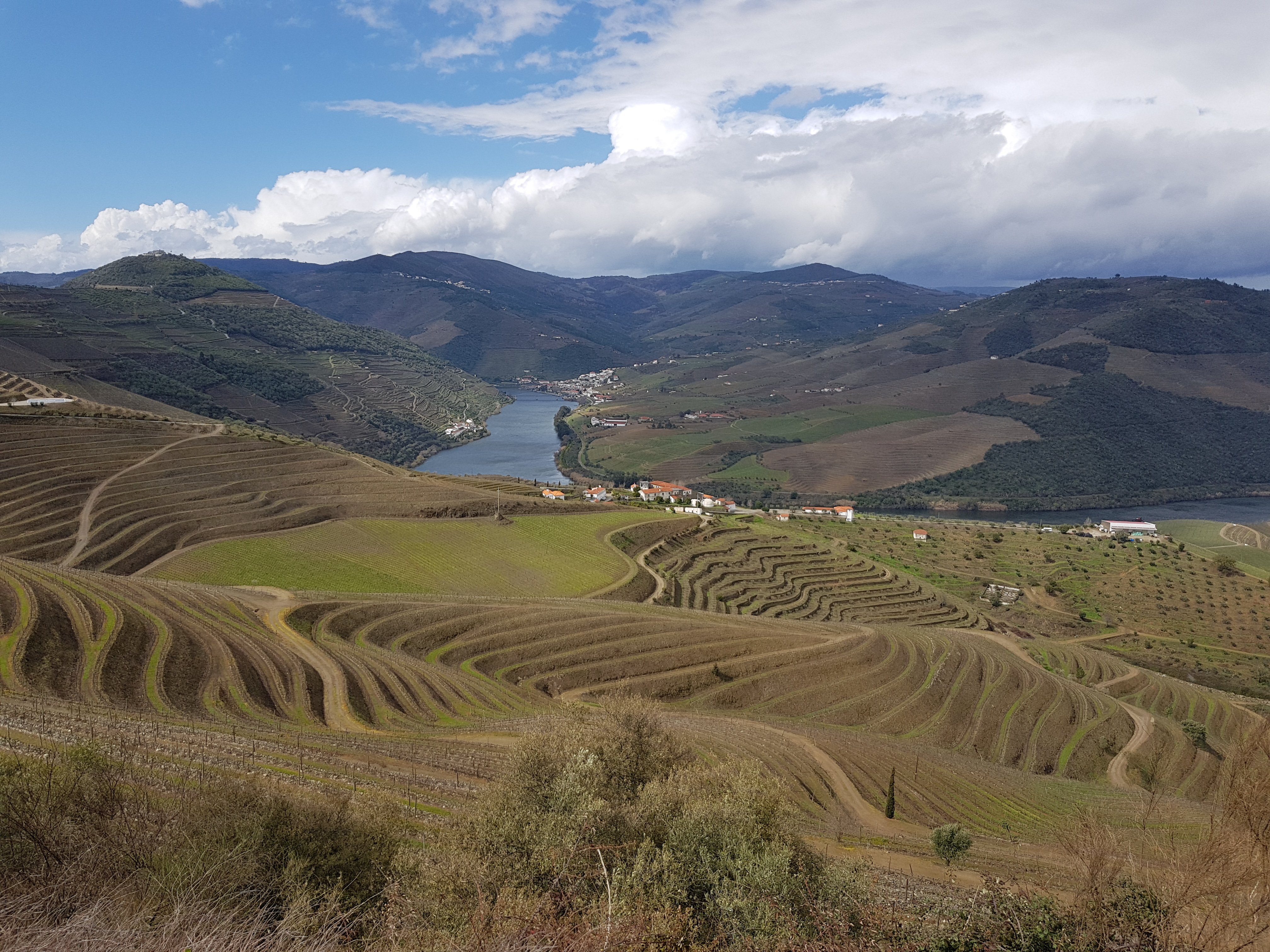
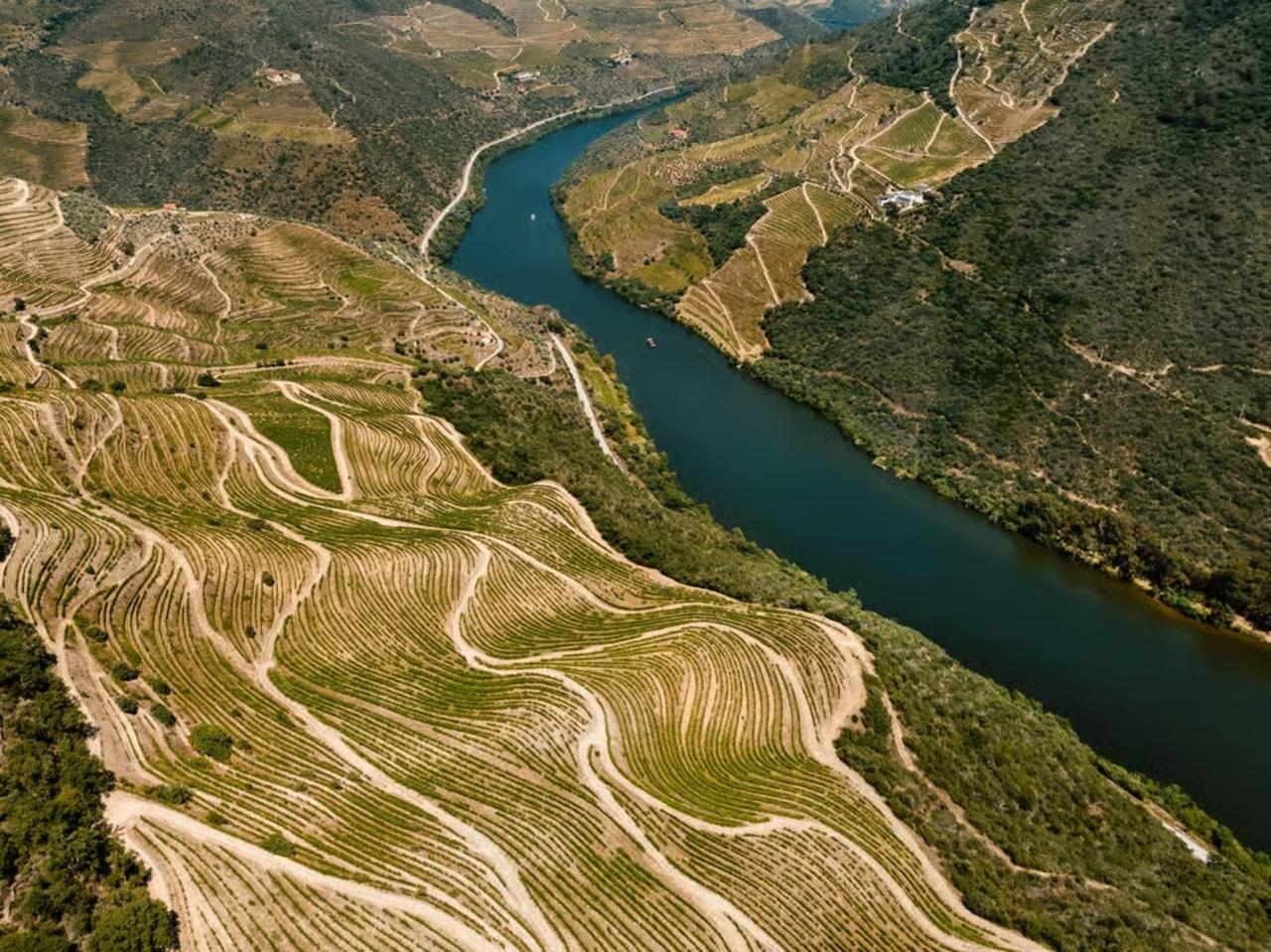
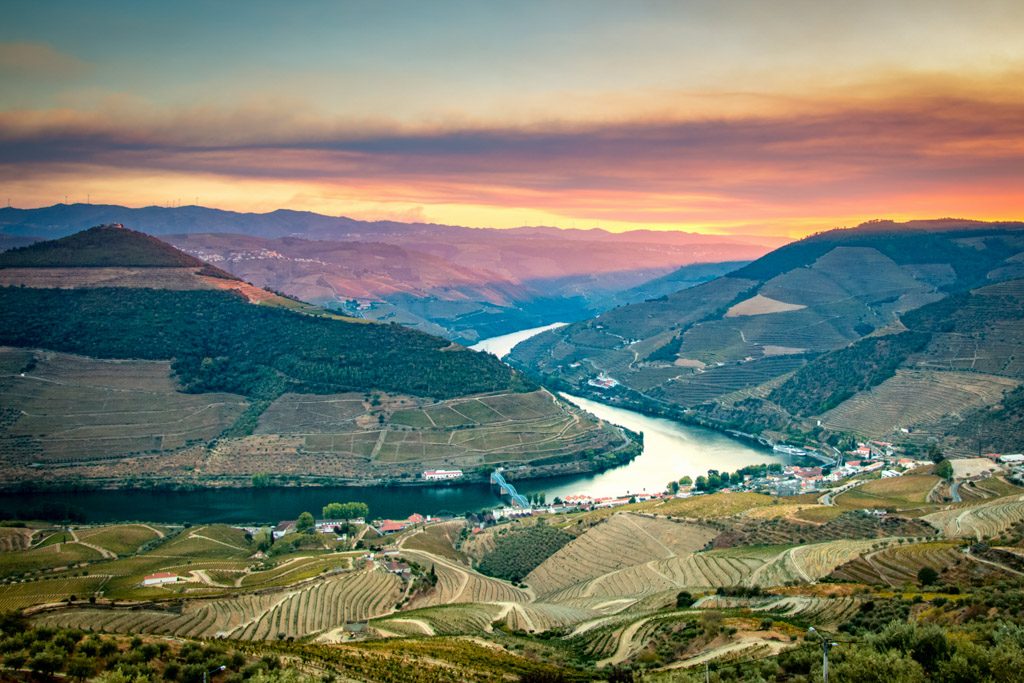
Terraced slopes above the Douro, century-old quintas waiting
Compare fares, pick the fit — all bookings are mobile-voucher and eligible for free cancellation where shown.
10 hr
10 hr
10 hr
| Experience | From | Duration | Rating | Pickup | Small group | Free cancel. | Price | |
|---|---|---|---|---|---|---|---|---|
|
Guided Experience
Most popular
Douro Valley Wine & River Tour from Porto
|
Porto | 10 hr | ★ 4.7 | ✓ | ✓ | ✓ | €55 | Book → |
|
Luxury / Private
Porto: Dual Wine Region Tour with Farm Lunch & Private River Cruise
|
— | 10 hr | ★ 4.9 | — | ✓ | ✓ | €95 | Book → |
|
Guided Experience
Douro Valley Wine Tour with River Cruise from Porto
|
Porto | 10 hr | ★ 4.7 | ✓ | ✓ | ✓ | €54 | Book → |
They complement each other, though most visitors find the Douro Valley Tours more immersive for nature lovers while Porto cellar visits excel in urban convenience. Choosing between these excursions depends on whether you prioritize expansive vineyard landscapes or the technical heritage of fortified wine production.
|
Top pick Douro Valley Tours |
Porto Wine Cellar Tours | |
|---|---|---|
| Setting | Terraced hills and river valley | |
| Transportation requirement | Car or train travel needed | |
| Physical activity level | Moderate walking on inclines | |
| Time commitment | Full day to overnight | |
| Landscape views vs. cellar history | Panoramic viticulture views focused | |
| Douro Valley Tours tours | Available via regional operators | |
| Douro Valley Tours tour | Private or small group options | |
| Douro Valley Tours tickets | Bookable for specialized winery access | |
| See tickets & prices |
Verdict: Opt for Douro Valley Tours if you desire expansive scenery, whereas the cellar visits offer a historical deep dive into the industry within central Gaia.
Hand-picked experiences loved by thousands of travelers
10 hours
Free Cancellation
Full-day journey through two wine regions with expert-led tastings, traditional lunch, and scenic boat ride
9 hours
Free Cancellation
Small-group journey through UNESCO vineyards with tastings at two estates and a scenic boat ride
10 hours
Free Cancellation
Explore three distinguished wineries, savor Port and DOC tastings, and enjoy a vineyard lunch
7 hours
Free Cancellation
Journey through Portugal's wine country by boat, rail, and road with lunch and tastings included
6–9.5 hours
Free Cancellation
UNESCO vineyard landscapes, family winery brunch, and a scenic hour-long cruise through terraced hills
7 hours
Free Cancellation
Full-day exploration of Portugal's wine country with quinta visit, river cruise, and regional tastings
3 hours
Free Cancellation
Explore terraced vineyards by boat and glass on this half-day journey through Portugal's wine country
4 hours
Free Cancellation
Learn authentic Portuguese recipes at a family-run quinta, harvest ingredients, and share a feast together.
Meet at the designated transit point for Douro Valley Tours.
Guided tour of traditional terraces and production techniques.
Navigate the river to observe terraced hillsides.
Sample regional vintages with estate staff.
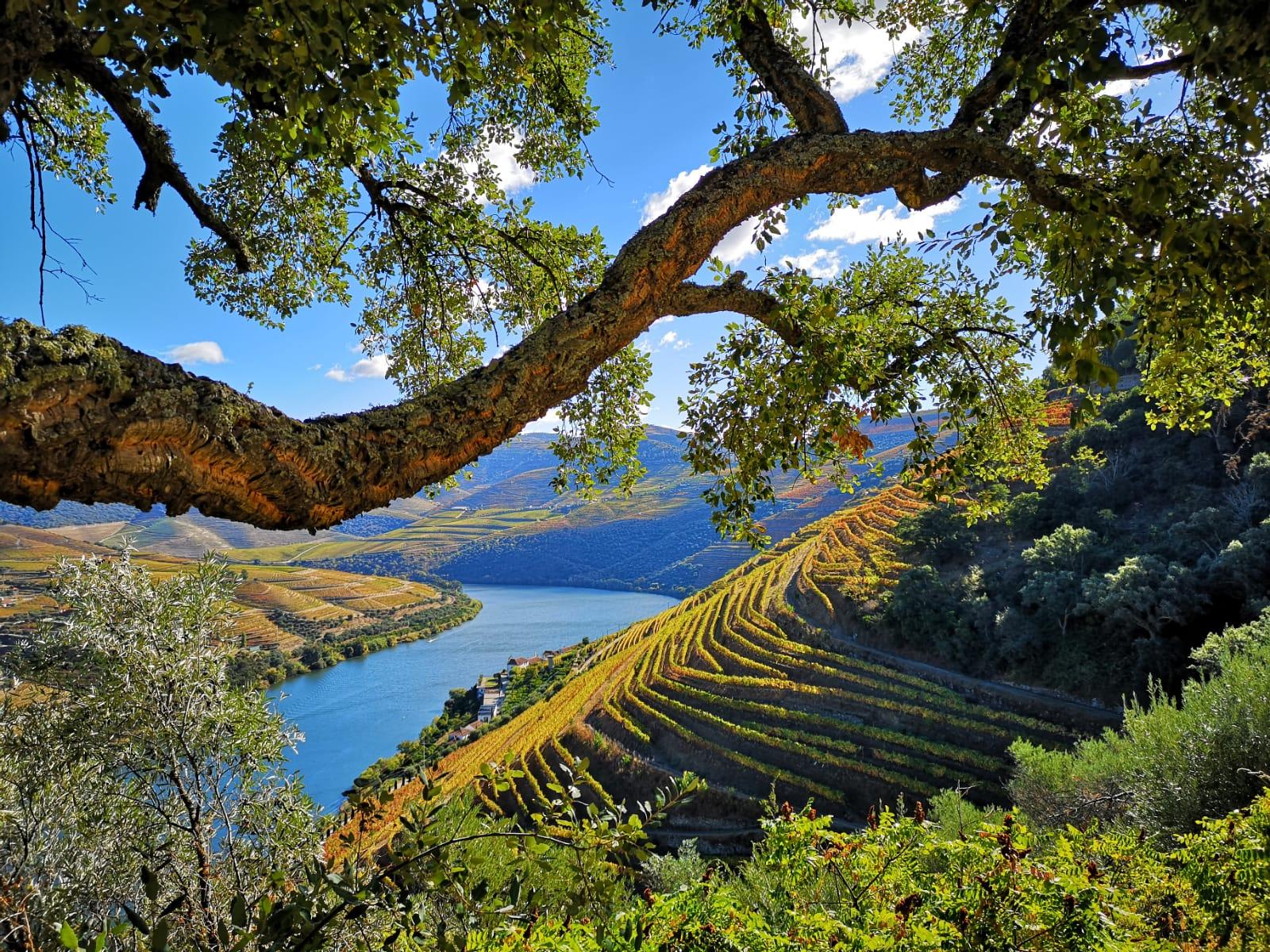
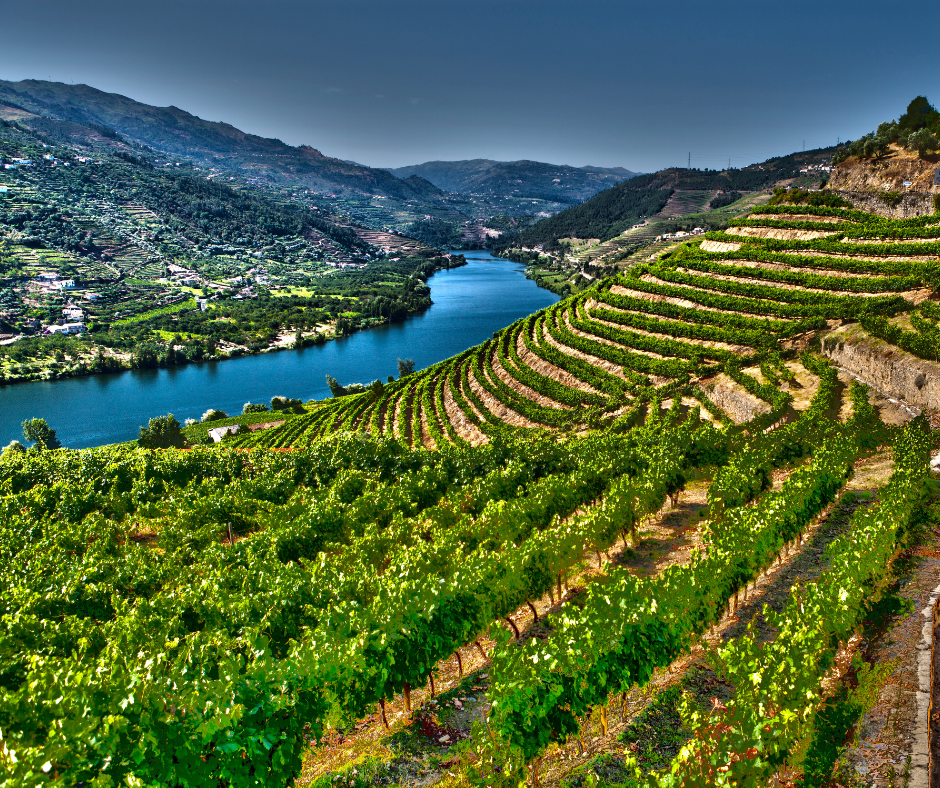
These stone-walled steps have been carved into the slopes for centuries to support vines. They are a UNESCO heritage feature of the landscape.
Known as the heart of wine production, this village features historical architecture and ancient cellars.
The river is the lifeblood of the valley, winding through 200 kilometers of terrain.
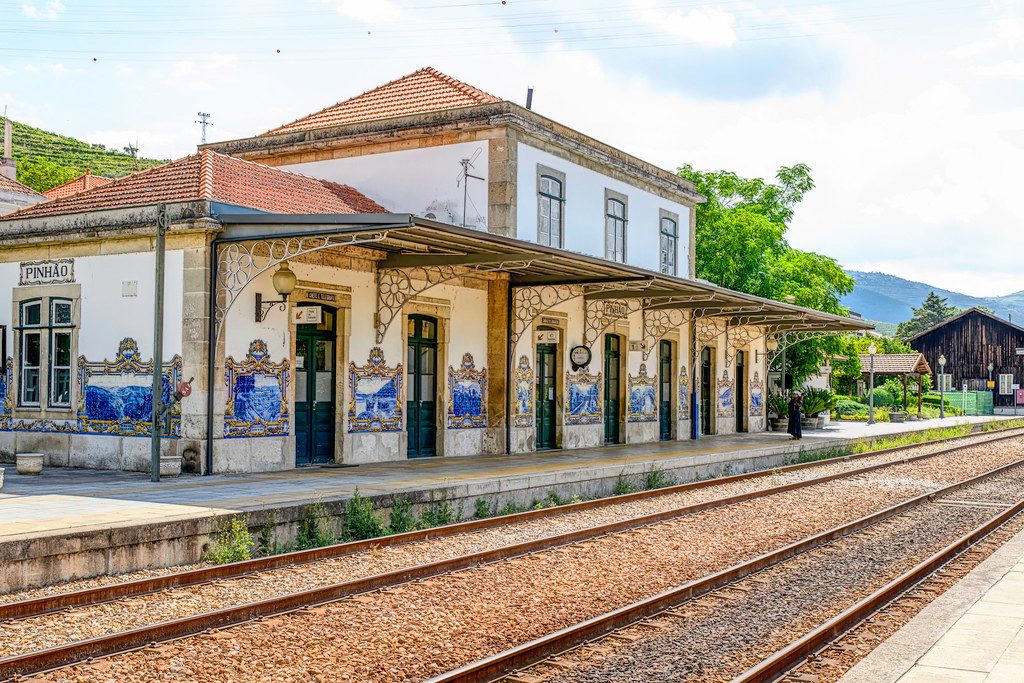
This station is decorated with 24 intricate azulejo tiles illustrating the traditional grape harvest.
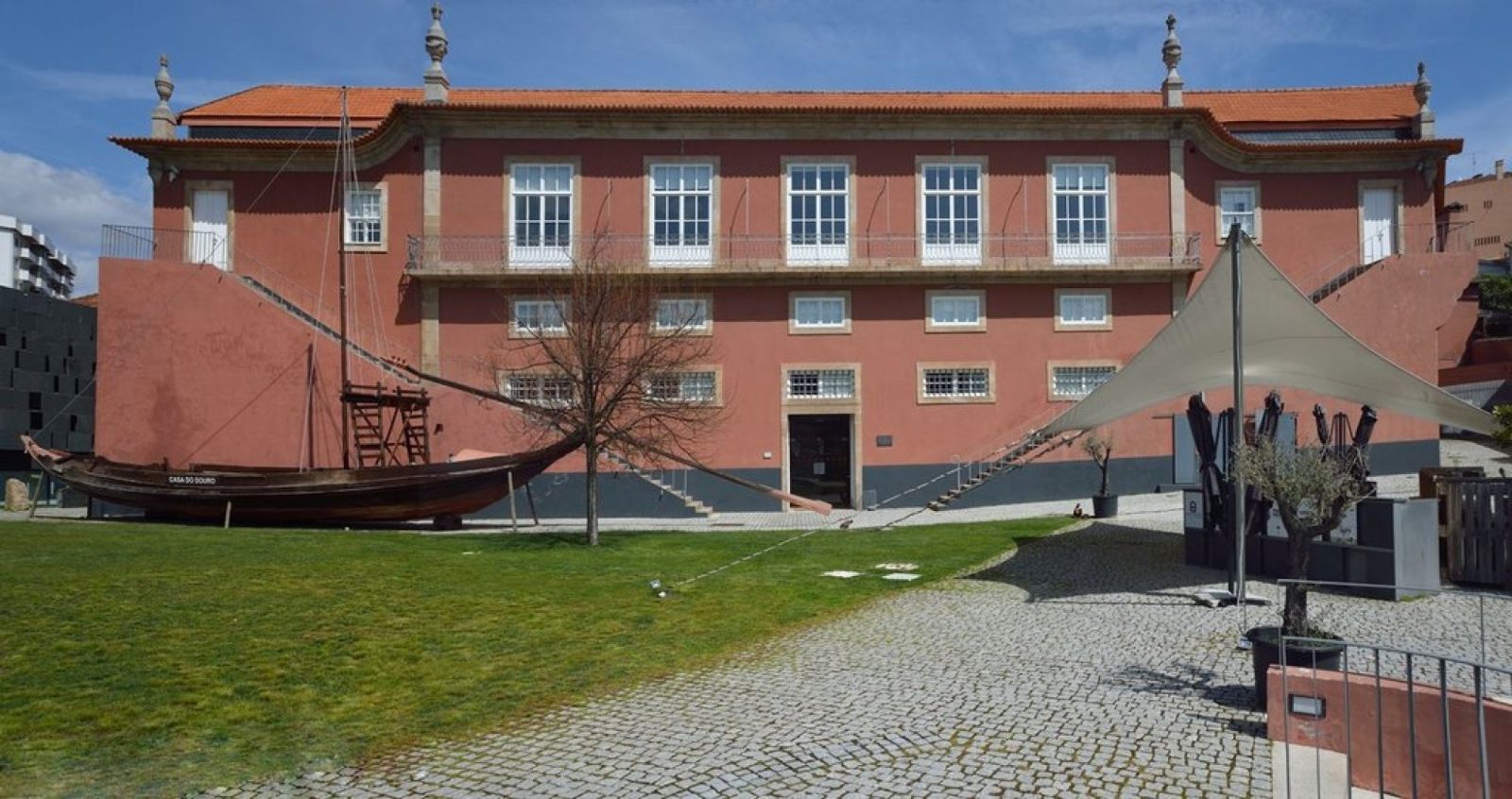
Located in a historic building, it documents the evolution of winemaking in the region.
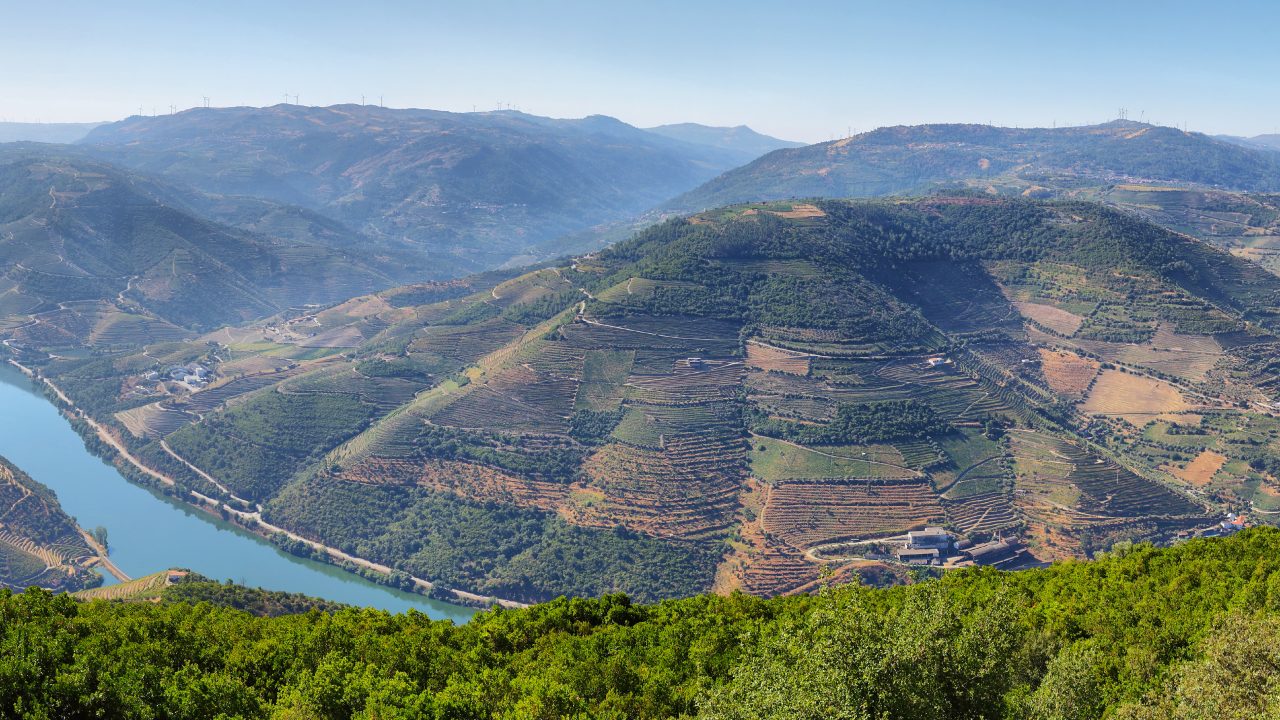
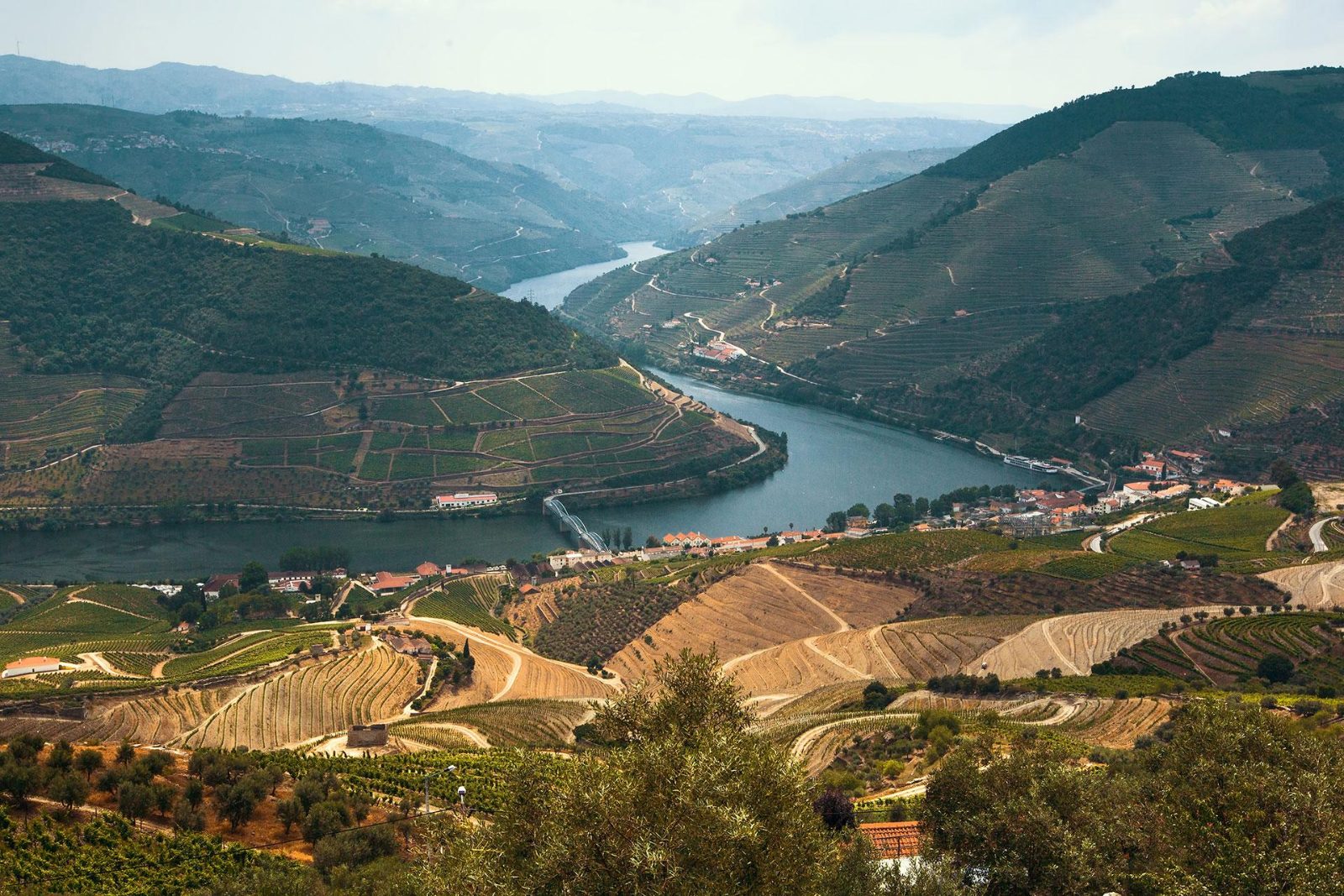
You board the coach in Porto at first light, crossing the Douro estuary as the city falls behind and the valley opens ahead. Two hours east the terraces begin — narrow ribbons of schist climbing slopes so steep that tractors cannot turn, and harvest is still done by hand.
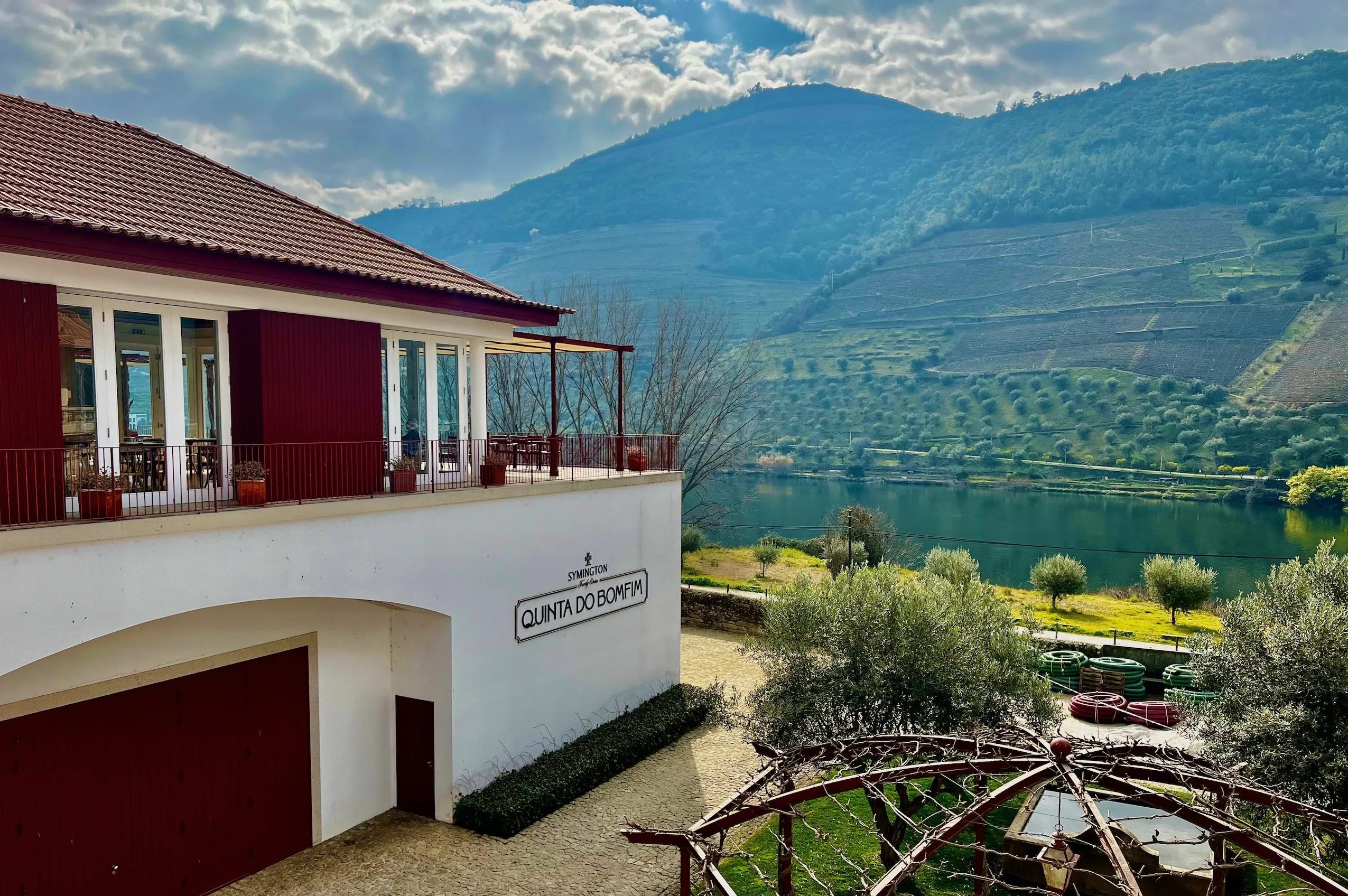
You step off at a quinta above Pinhão, where the morning air smells of pressed stone and wild rosemary, and the vineyard manager walks you between rows planted in the 1920s, each root clinging to fractured bedrock.
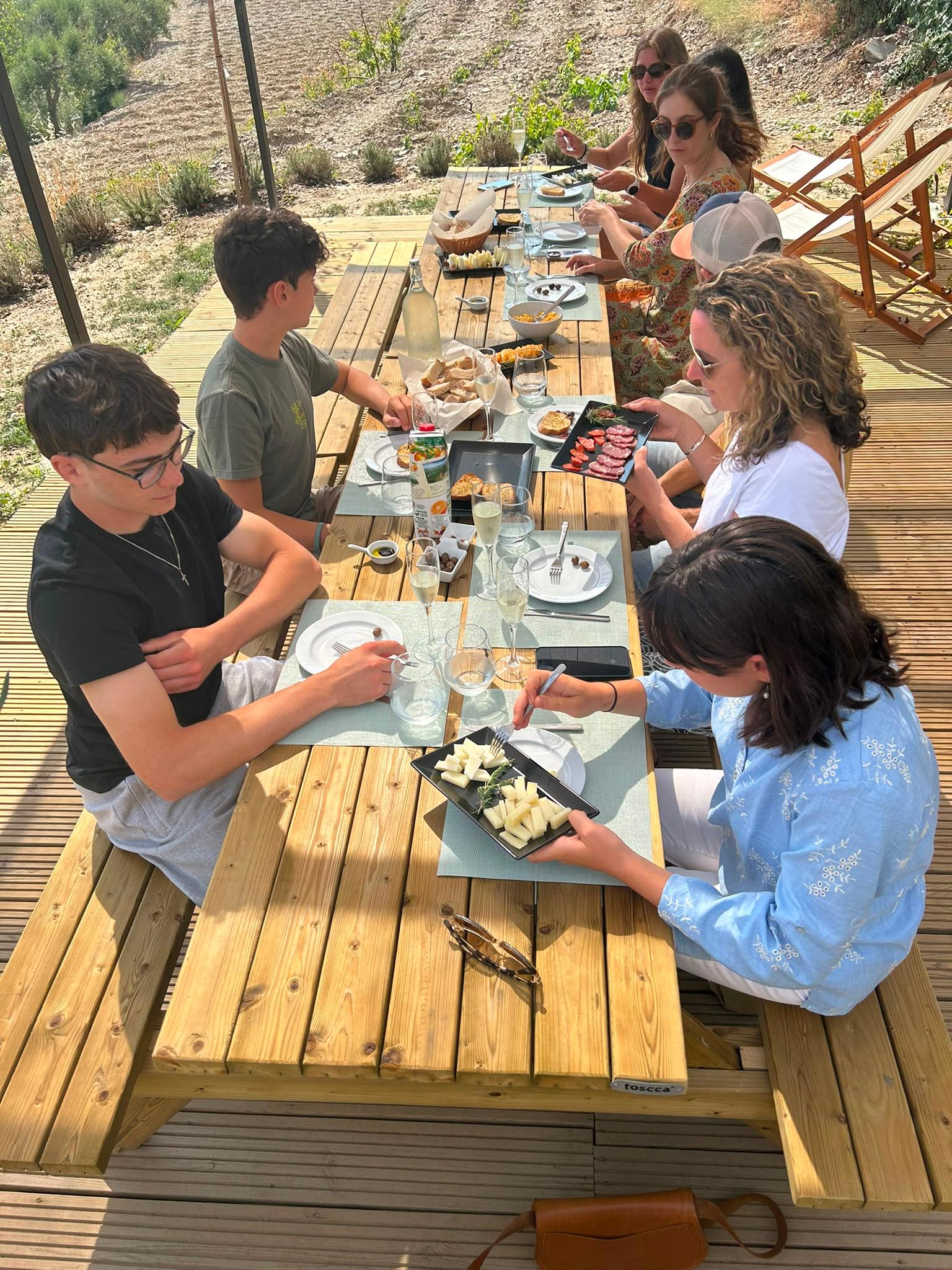
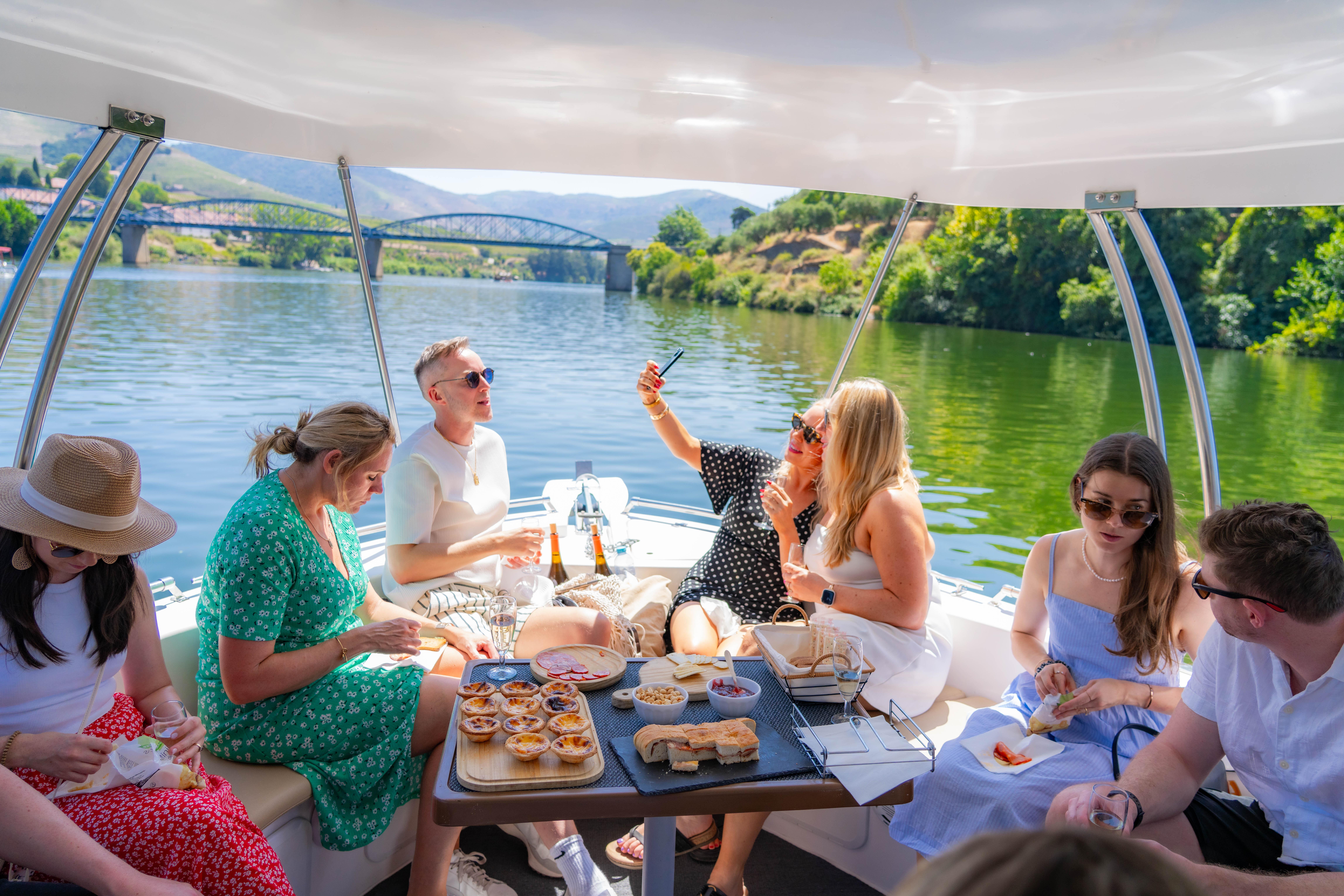
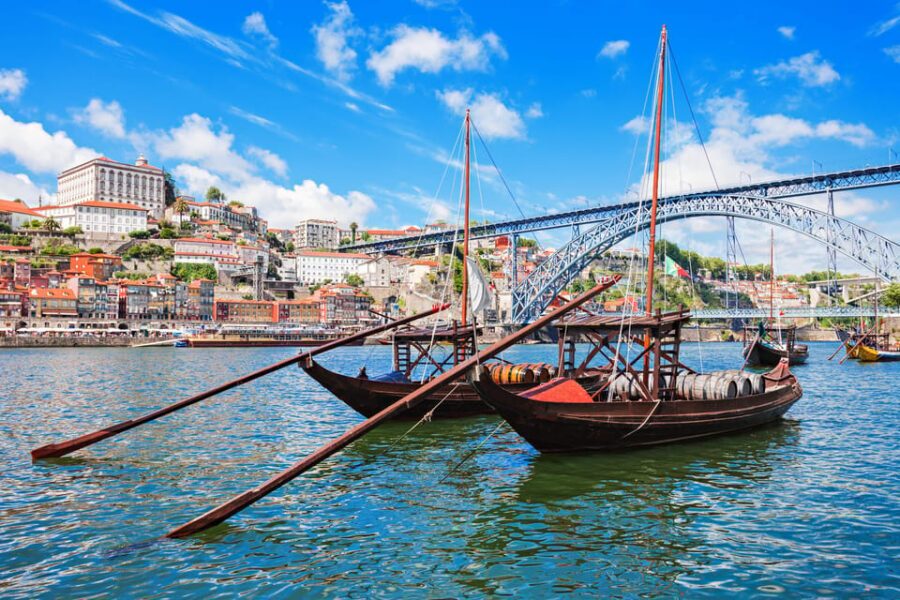
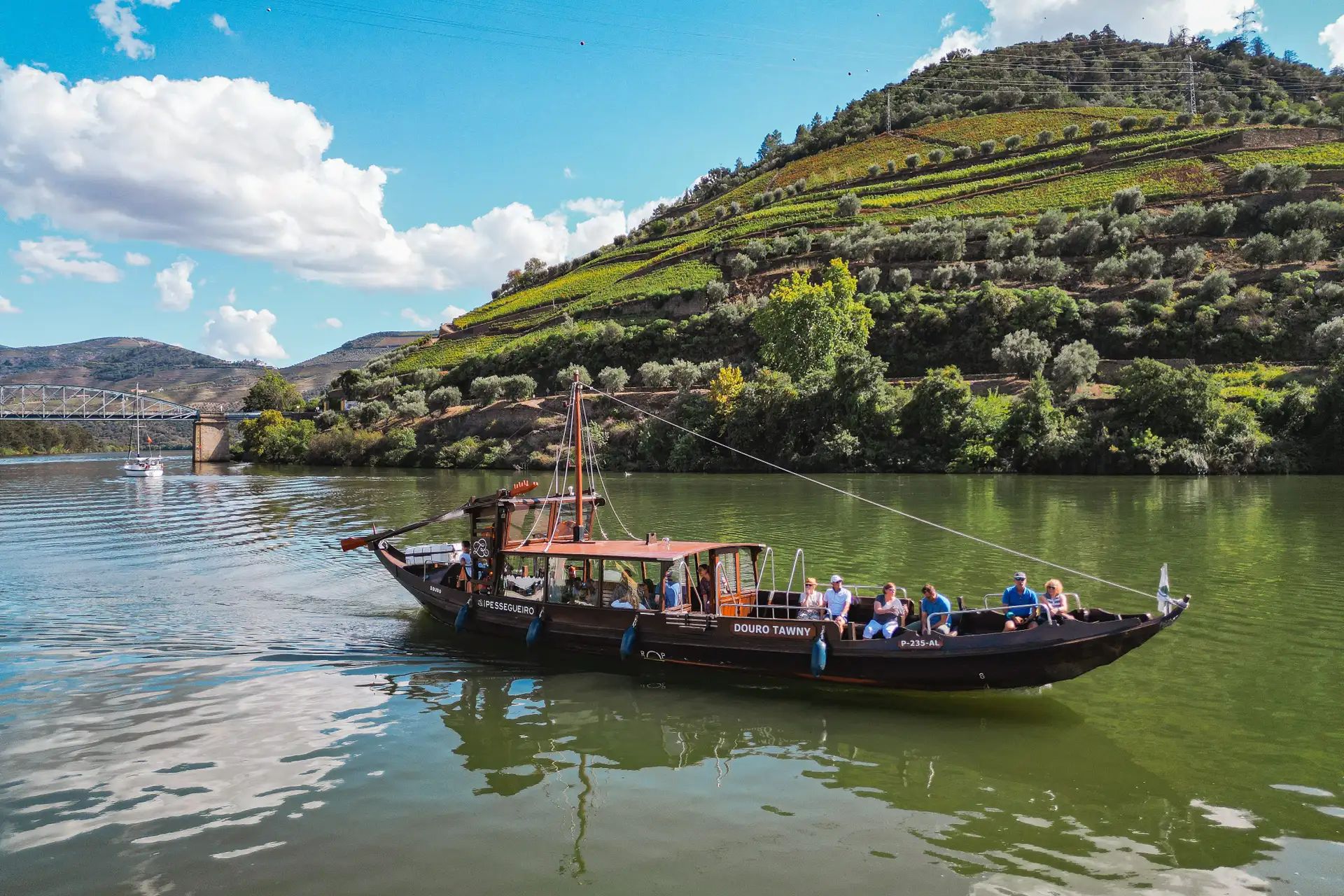
A rabelo waits at the dock below, its flat hull designed for the river's summer shallows. You glide downstream past abandoned terraces reclaimed by scrub oak and new estates where steel fermentation tanks gleam behind 18th-century facades. The boat moors at Peso da Régua, and you climb to the miradouro at São Leonardo, where the valley unfolds in tiers — green vines, gray walls, the river threading silver below. Lunch is served under a pergola: roasted bacalhau, olive oil from the hillside press, bread still warm.
In the afternoon you return to the quinta's cellar, a vaulted stone hall where port casks rest in rows, each marked with the harvest year. The guide pours samples of aged tawny and explains the fortification process, but the real discovery is the landscape itself — the schist, the gradient, the three centuries of human geometry carved into stone.
All the details about your upcoming adventure in one place
Douro Valley Tours offer access to Portugal's oldest demarcated wine region, a UNESCO World Heritage landscape of terraced vineyards cascading along the Douro River. These guided Douro Valley Tours tours include estate visits, wine tastings at traditional quintas, and scenic river cruises through one of Europe's most dramatic wine-producing valleys. Book Douro Valley Tours tickets to experience port wine cellars, family-run vineyards, and panoramic viewpoints over the terraced slopes.
The Douro Valley was demarcated in 1756, making it the world's oldest regulated wine region — 90 years before Bordeaux earned similar protection. The Portuguese crown drew boundaries to certify port wine quality, and those original stone markers still stand along terraced slopes that climb 500 meters above the river.
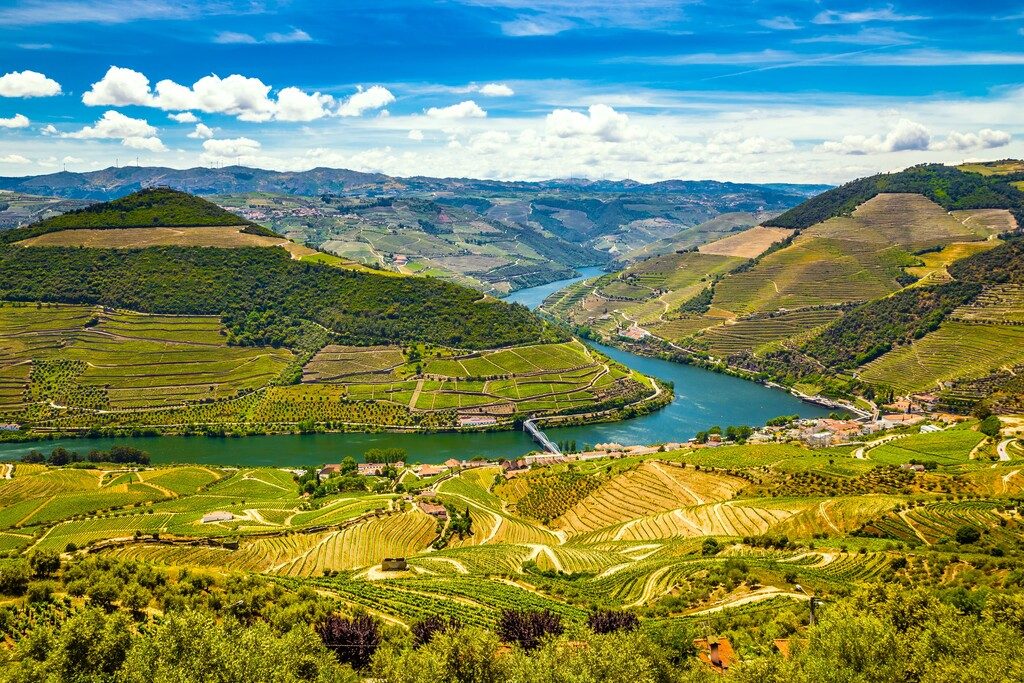
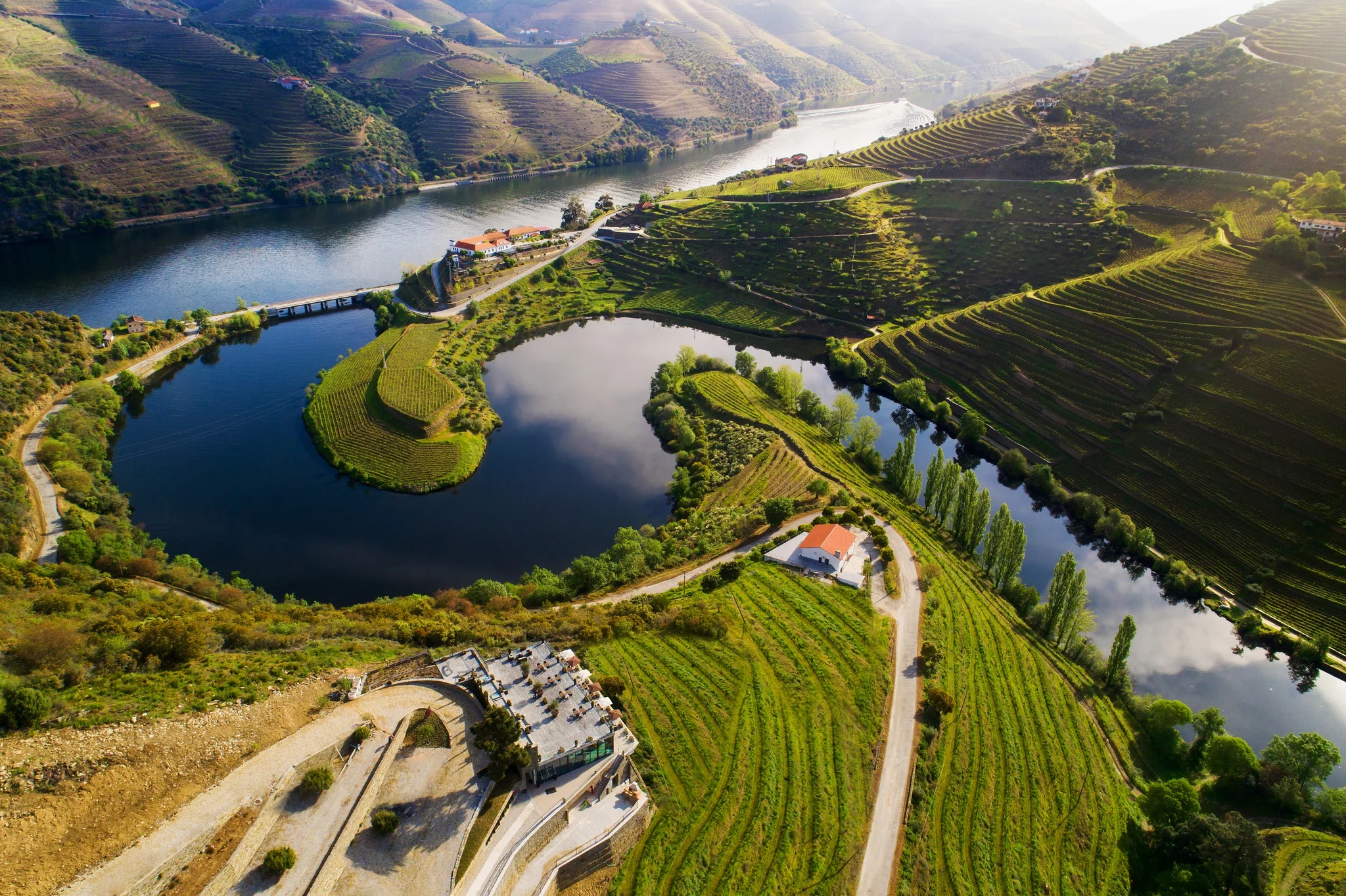
Today the Alto Douro Wine Region holds UNESCO World Heritage status, not for a single monument but for an entire cultural landscape: 24,600 hectares of hand-built terraces, dry-stone walls, and quintas that have pressed grapes for three centuries.
Douro Valley Tours depart daily from Porto, following the N108 east through Peso da Régua and into the heart of the demarcated zone. The valley narrows past Pinhão, where the river bends south and the schist slopes turn steeper. Most itineraries include a river cruise on a rabelo — the flat-bottomed boat that once carried port casks downstream to Vila Nova de Gaia — and a visit to at least one quinta, the fortified estate where grapes are still foot-trodden during harvest. Non-drinkers and families traveling with children find value in landscape-focused routes that prioritize viewpoints like São Leonardo da Galafura and the terraced amphitheater above Favaios, where almond trees replace vines.
The Douro Line railway, completed in 1887, threads the southern bank for 203 kilometers, offering an alternative approach for visitors arriving from Lisbon or those seeking a slower entry to the valley. Each autumn the slopes turn rust and gold, and the quintas open their lagares — granite troughs where barefoot treaders break grape skins in synchronized rows, a practice unchanged since the 18th century. The valley produces more than port: fresh Douro reds and whites now rival the fortified tradition, and several estates have shifted production entirely toward table wine.
Access to the region is free year-round, though individual quintas charge for tastings and cellar tours. The schist soil drains fast, and summer temperatures regularly exceed 40°C, making spring and autumn the preferred windows for extended walking or cycling routes. Most guided experiences operate between 9:00 and 18:00, syncing departures with the cool morning light that rakes across the terraces and renders the valley's geometry visible from the miradouros above Pinhão and Peso da Régua.
The Douro was demarcated in 1756, making it the world's oldest regulated wine region — 90 years before Bordeaux.
Casual and comfortable clothing is recommended for Douro Valley Tours. Sturdy walking shoes are essential for navigating uneven vineyard terrain.
Small backpacks are permitted during Douro Valley Tours. Large suitcases may be restricted depending on the transport vehicle used.
Photography is encouraged throughout Douro Valley Tours, especially in the vineyards. Respect private signage when visiting family-run estates.
Children are welcome on Douro Valley Tours, though wine tasting is restricted to adults over 18. Ensure strollers are collapsible for transit.
Many locations on Douro Valley Tours involve steep inclines or stairs. Accessible facilities vary significantly between historical estates.
Outside food is generally discouraged at participating wineries. Local snacks and water are frequently provided as part of Douro Valley Tours packages.
Opening Hours
09:00–18:00
Address
Douro Valley, Portugal
Accessibility
Varies by vineyard and boat operator
Best arrival window
09:00–11:00
Region
Douro Valley, Portugal
Public transport · 2h · Low cost
Take the Linha do Douro train from Porto to Peso da Régua.
Car · 1.5h · Toll fees apply
Follow the A4 motorway toward Vila Real then descend into the valley.
Cancellations for Douro Valley Tours must be made at least 24 hours in advance to receive a full refund. The 0 EUR entrance fee does not apply to private bookings.
Recommended time
Full day
A comprehensive experience requires a full day to navigate the winding roads between rural estates and riverside vineyards. Participating in Douro Valley Tours helps manage logistics for wine tasting sessions and river boat excursions while avoiding peak visitor congestion. You might add time if you plan to explore multiple quintas, as Douro Valley Tours tours often require significant transit time between locations. Booking your Douro Valley Tours tickets in advance ensures smoother access to popular cellars during the busy afternoon hours.
Crowd levels through the day
Weather · crowds · average price — dots go green to amber to red as each metric rises.
Mild temperatures and blossoming almond trees make this ideal for photography.
Expect hot, dry weather perfect for boat trips on the river.
Harvest season offers active vineyard views and pleasant cooling evenings.
The region changes color to gold, providing a distinct autumnal experience.
Trains fill up quickly during the peak harvest season in September.
Carry extra water, as the valley temperatures can rise significantly.
Check if your Douro Valley Tours tickets include lunch or transport.
Ask permission before taking photos of individuals or private homes.
The valley microclimate varies from the cool morning to the warm afternoon.
Av. da Estação, Peso da Régua
Primary hub for train-based Douro Valley Tours tours.
Get directionsThe Douro Valley's viticultural roots stretch back two millennia, when Roman settlers planted the first vines along terraced slopes carved into schist and granite. By the medieval period, Cistercian monks had systematized vineyard management, establishing the monastic estates that would anchor the region's wine economy for centuries. The Douro's transformation into a demarcated wine region began in 1756, when the Marquis of Pombal created the world's first protected appellation—decades before Bordeaux—to regulate Port wine production and combat fraud. Stone markers, or marcos pombalinos, were driven into the hillsides to delineate boundaries, and many still stand today as monuments to Europe's earliest wine legislation. The 19th century brought crisis and rebirth. Phylloxera devastated the valley's vineyards in the 1860s, forcing growers to replant on resistant American rootstock and rethink centuries-old practices. The introduction of steamships and the expansion of the Douro railway in 1887 broke the region's geographic isolation, replacing the treacherous barco rabelo river transport with reliable rail links to Porto's wine lodges. Mechanization arrived slowly; terraces remained too steep for tractors, preserving the hand-harvested character that defines Douro Valley Tours today. UNESCO inscribed the Alto Douro Wine Region as a World Heritage site in 2001, recognizing not just the landscape but the continuity of human labor that shaped it—two thousand years of cultivation visible in every stone wall and terrace step. Modern Douro Valley tours blend agrarian heritage with contemporary hospitality. Historic quintas, many family-owned for generations, now open their cellars and dining rooms to visitors tracing the arc from ancient viticulture to appellation law to global heritage status. The region's evolution from subsistence farming to protected landscape reflects a rare case where regulation, rather than industrialization, preserved the past.
Romans plant the first vines on terraced Douro slopes, establishing viticulture that would endure two millennia.
Marquis of Pombal demarcates the Douro wine region, creating the world's first protected appellation and erecting stone boundary markers.
Phylloxera blight destroys vast swathes of vineyard; growers replant on American rootstock, reshaping the valley's varietal mix.
The Douro railway opens, linking remote quintas to Porto and ending reliance on dangerous barco rabelo river transport.
UNESCO designates the Alto Douro Wine Region a World Heritage site, recognizing its cultural landscape and unbroken viticultural tradition.
Stand at the stone wall for a panoramic vista of the river winding through terraced hillsides. This vantage point provides a clear look at the landscape commonly explored during Douro Valley Tours.
Position yourself near the village chapel to capture the sharp bends of the river below. These Douro Valley Tours tours often stop here to showcase the intricate viticulture patterns.
Capture the sweeping rows of vines from this high elevation, which serves as an ideal location for securing professional Douro Valley Tours tickets for photography workshops.
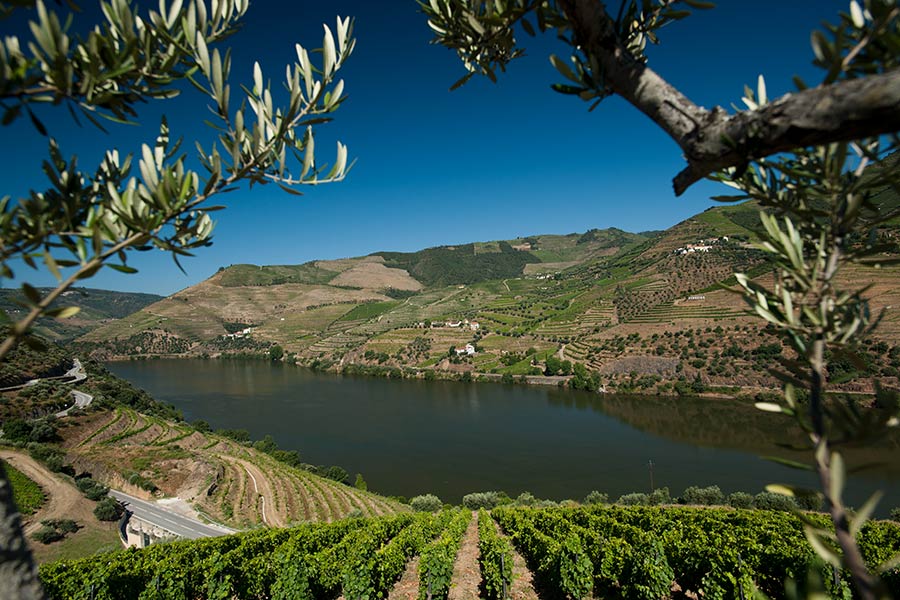
Locate the pull-off areas along this winding road to photograph the river mirroring the sky. This route is a highlight for those booking a private Douro Valley Tours tour to traverse the valley floor.
The dining scene near Douro Valley Tours emphasizes regional Portuguese heritage, ranging from converted warehouse bistros to refined estate kitchens. Visitors planning their Douro Valley Tours tour can enjoy fresh, locally sourced ingredients while overlooking the river or terraced vineyards.
Housed in a converted railway warehouse near the station, this upscale spot specializes in refined seafood dishes like turbot with cockle rice. It is a popular choice for those finishing Douro Valley Tours tickets or afternoon vineyard visits.;Quinta da Pacheca
Real experiences from real travelers
Spent two days exploring the wine estates and river towns. The landscape is unlike anything else in Portugal. Our guide pointed out the oldest vineyard plots and explained how the schist soil shapes the flavor. Took the train from Porto and the route itself is worth the trip.
Douro Valley Tours gave us access to three family-run quintas that don't usually open to the public. The tastings were generous and the hosts shared stories going back generations. We stayed in a renovated stone house overlooking the river and watched the light change on the hills every evening.
The terraced vineyards rise so steeply it's hard to believe anyone farms them. We took a rabelo boat from Pinhão to Tua and the perspective from the water made the scale clear. Every quinta has a different microclimate and you can taste it in the glass.
The views are exceptional and the wine quality is outstanding. Be prepared for a lot of walking on uneven terrain if you tour the vineyards on foot. The September grape harvest would be the ideal time to visit. Our driver knew every back road and viewpoint.
We booked a full-day private tour through the Alto Douro wine region and it was the highlight of our Portugal trip. The guide tailored the route to our interests and we ended up at a small cooperative where they still foot-tread grapes in granite lagares. The river valleys are ancient and calm.
Douro Valley Tours connected us with winemakers who've been working the same plots for decades. The schist terraces hold heat and the river moderates temperature swings. We tasted port and table wines side by side and finally understood the difference. The landscape feels timeless.
Our guide grew up in the valley and knew everyone we met. We visited quintas that still use traditional methods and others experimenting with organic viticulture. The valley is narrower and more dramatic than I expected. Late afternoon light makes the hillsides glow copper and gold.
The Douro rivals any wine region I've visited. The terraces are a UNESCO site for good reason and the wines have real character. We did a two-day tour with an overnight at a quinta and woke to mist on the river. The train journey back to Porto follows the valley and offers stunning views at every bend.
Douro Valley Tours arranged a private boat trip and vineyard walk that felt like stepping back in time. The valley is steep, quiet, and intensely green in spring. We sampled wines at a small producer who only sells locally. The hospitality was warm and the setting unforgettable.
The terraced vineyards are an engineering marvel and the wine is world-class. Our guide explained the history of port production and took us to viewpoints most tourists never see. The river reflects the hillsides and the whole valley feels like a living museum.
Everything you need to know for your journey
Douro Valley Tours operates daily from 09:00–18:00. These hours apply across the region for organized activities.
There is 0 EUR entrance fee to the region itself. Individual costs for Douro Valley Tours vary by provider.
The best arrival window is 09:00–11:00 to avoid the midday heat and capture better light.
Yes, families are welcome on most Douro Valley Tours, provided children are supervised. Check specific boat cruise age restrictions.
Small bags are permitted on Douro Valley Tours. Ensure you can carry your own belongings throughout the day.
Photography is allowed in public areas and most participating wineries. Always ask before filming private spaces.
Cancellations for Douro Valley Tours require at least 24 hours notice for a full refund.
The valley is accessible via the Linha do Douro train from Porto or by car. Check your specific itinerary for the meeting point.
Policies on pets vary by site. Please confirm with your specific operator before starting your Douro Valley Tours tour.
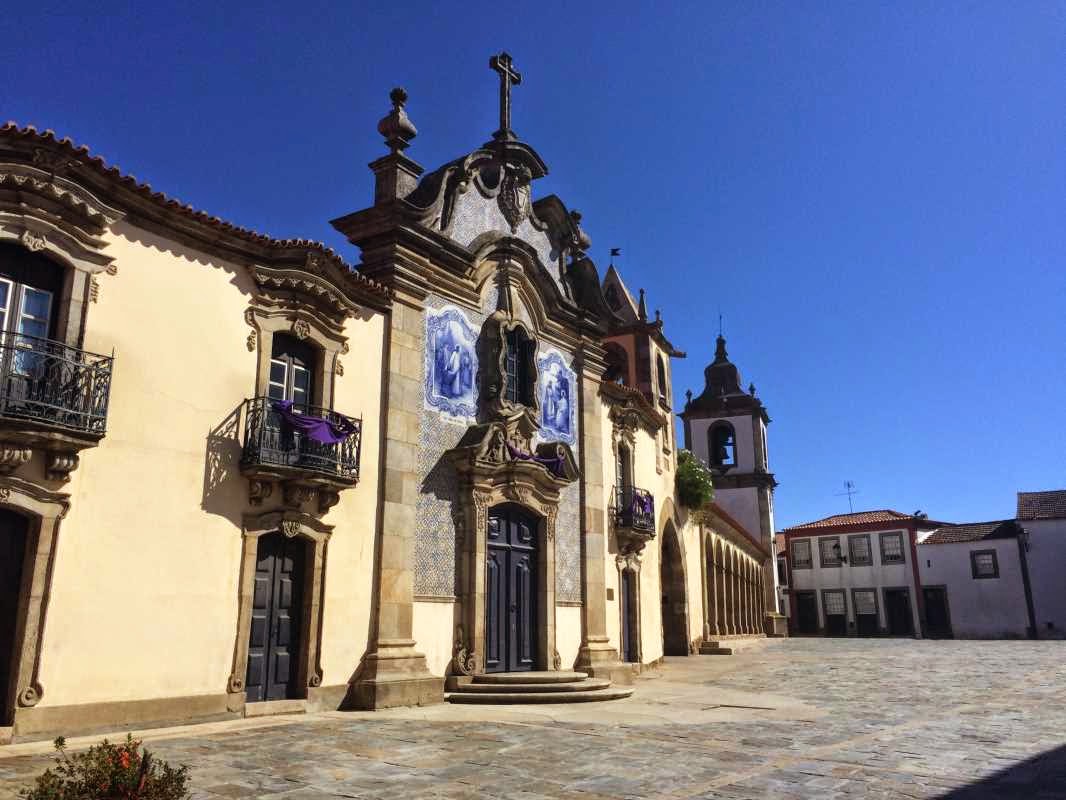
Baroque-style pilgrimage site featuring ornate blue and white tiles.
Famous historical mansion known for its elaborate gardens and chapel.
Small train station decorated with intricate ceramic tiles depicting harvest life.
High-end resort located in a renovated 19th-century manor.
Intimate riverside estate offering traditional vineyard lodging.
Join thousands of happy travelers who have discovered this incredible experience
Book Your Experience Now