10 hr
Douro Valley Wine Tour with River Cruise & Lunch
- Expert local guide
- Small group
- Skip-the-line access
- Free cancellation
Douro Valley Tour from Porto — Wine, River & Quintas
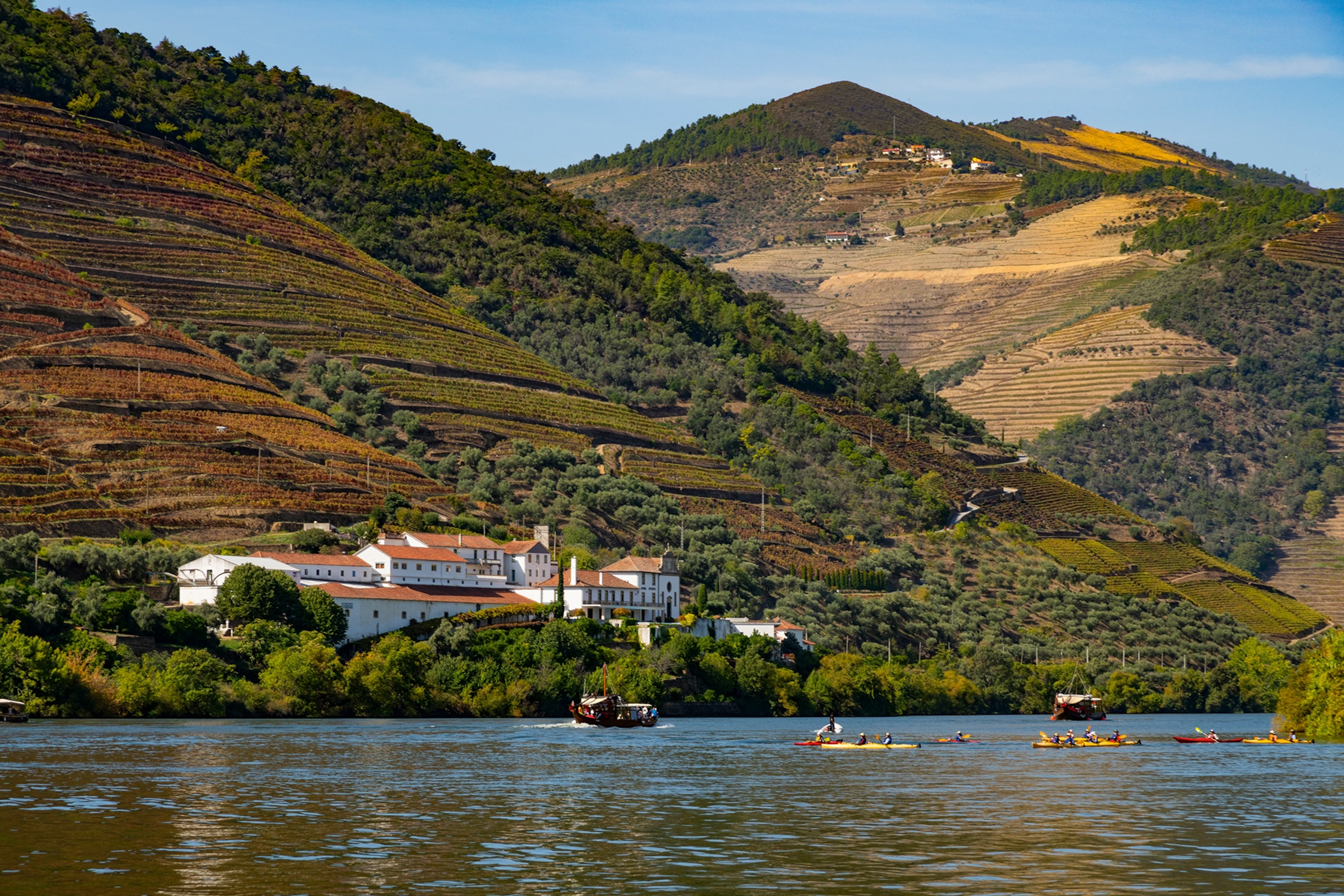
Terraced slopes above the Douro, port lodges and lunch afloat
Compare fares, pick the fit — all bookings are mobile-voucher and eligible for free cancellation where shown.
10 hr
10 hr
10 hr
| Experience | Duration | Rating | Transfers | Pickup | Guide | Free cancel. | Price | |
|---|---|---|---|---|---|---|---|---|
|
Guided Experience
Most popular
Douro Valley Wine Tour with River Cruise & Lunch
|
10 hr | ★ 4.7 | ✓ | ✓ | ✓ | ✓ | €55 | Book → |
|
Guided Experience
Douro Valley Wine Tour with River Cruise & Tastings
|
10 hr | ★ 4.7 | ✓ | ✓ | ✓ | ✓ | $63 | Book → |
|
Luxury / Private
Dual Wine Region Tour with Private Boat & Farm Lunch
|
10 hr | ★ 4.9 | — | — | ✓ | ✓ | $110 | Book → |
Worth it for wine lovers and scenery seekers
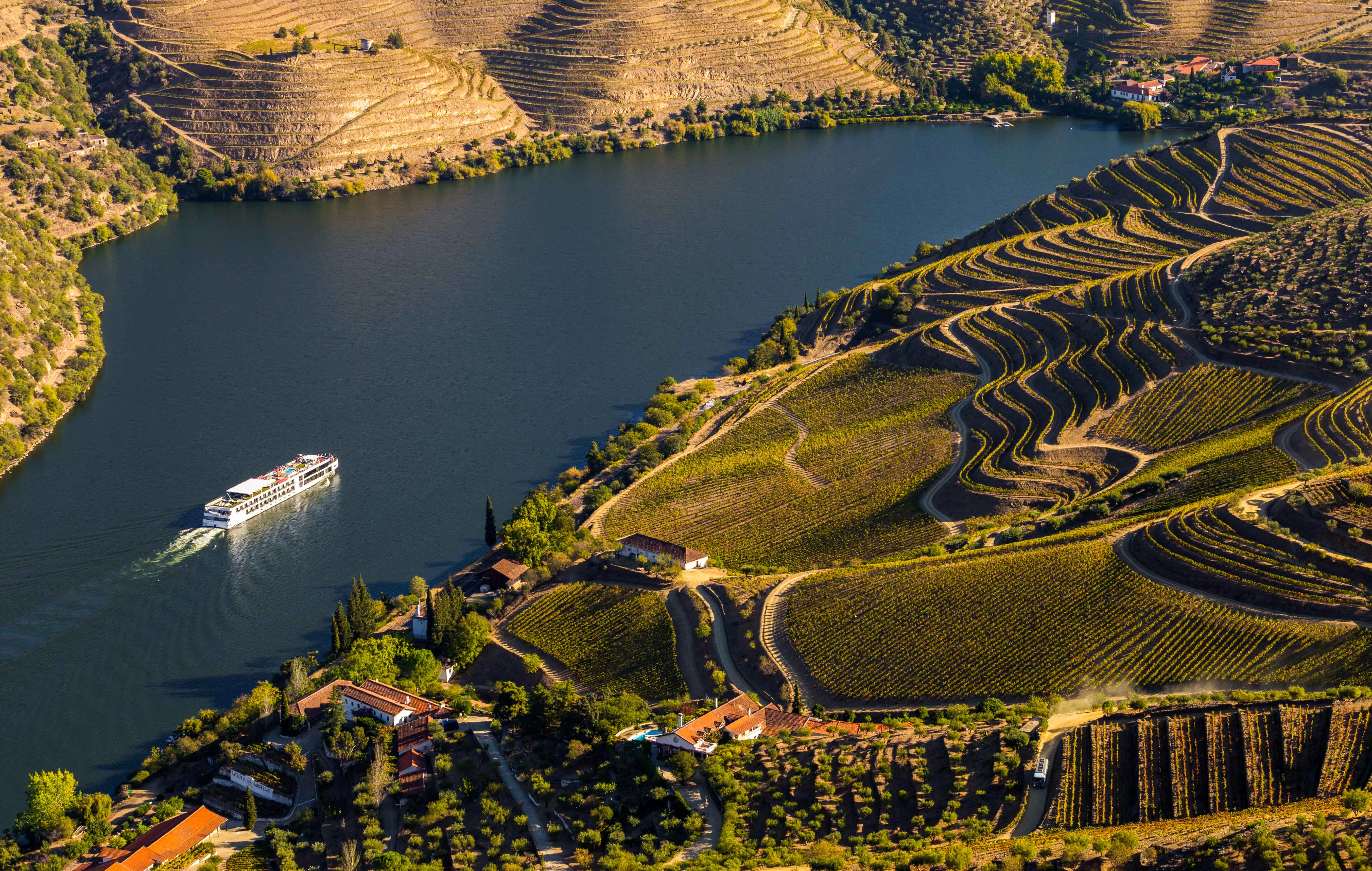
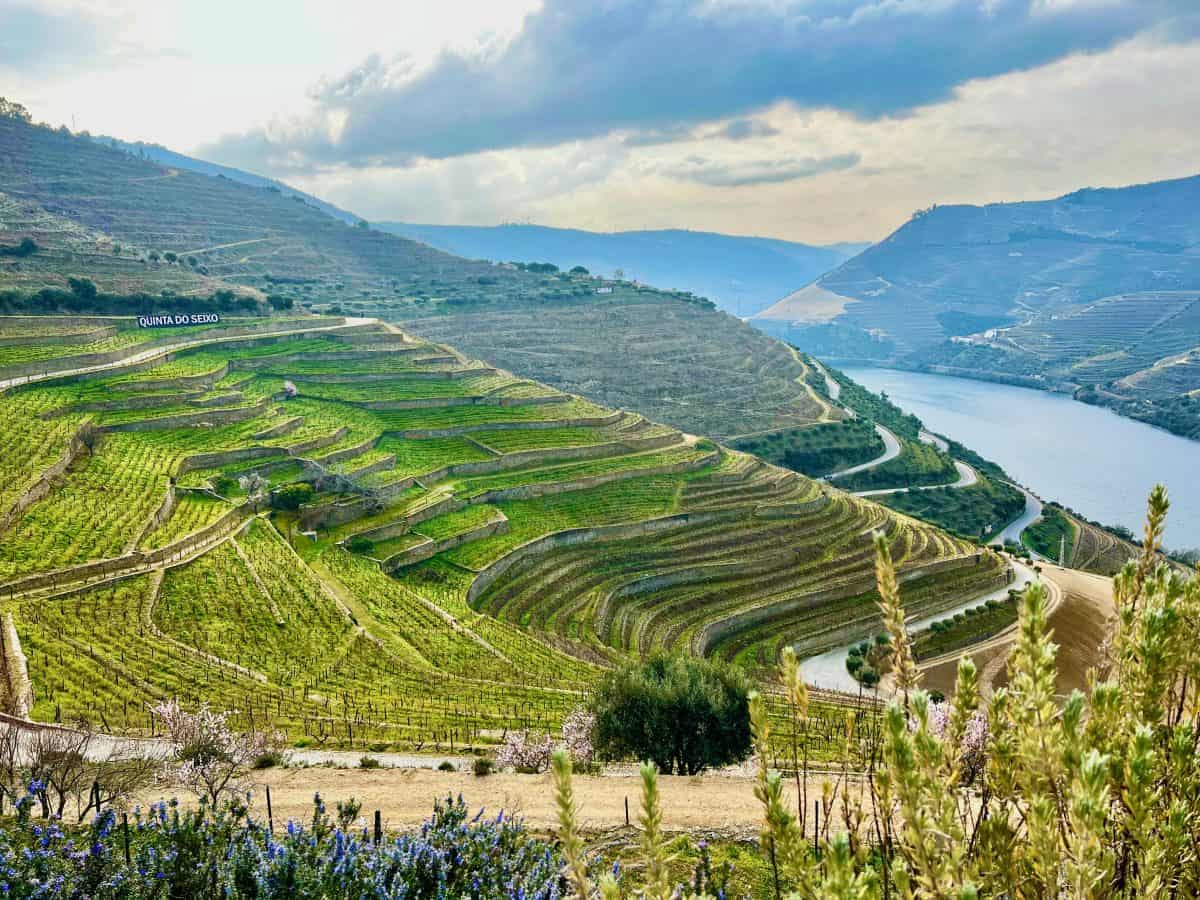
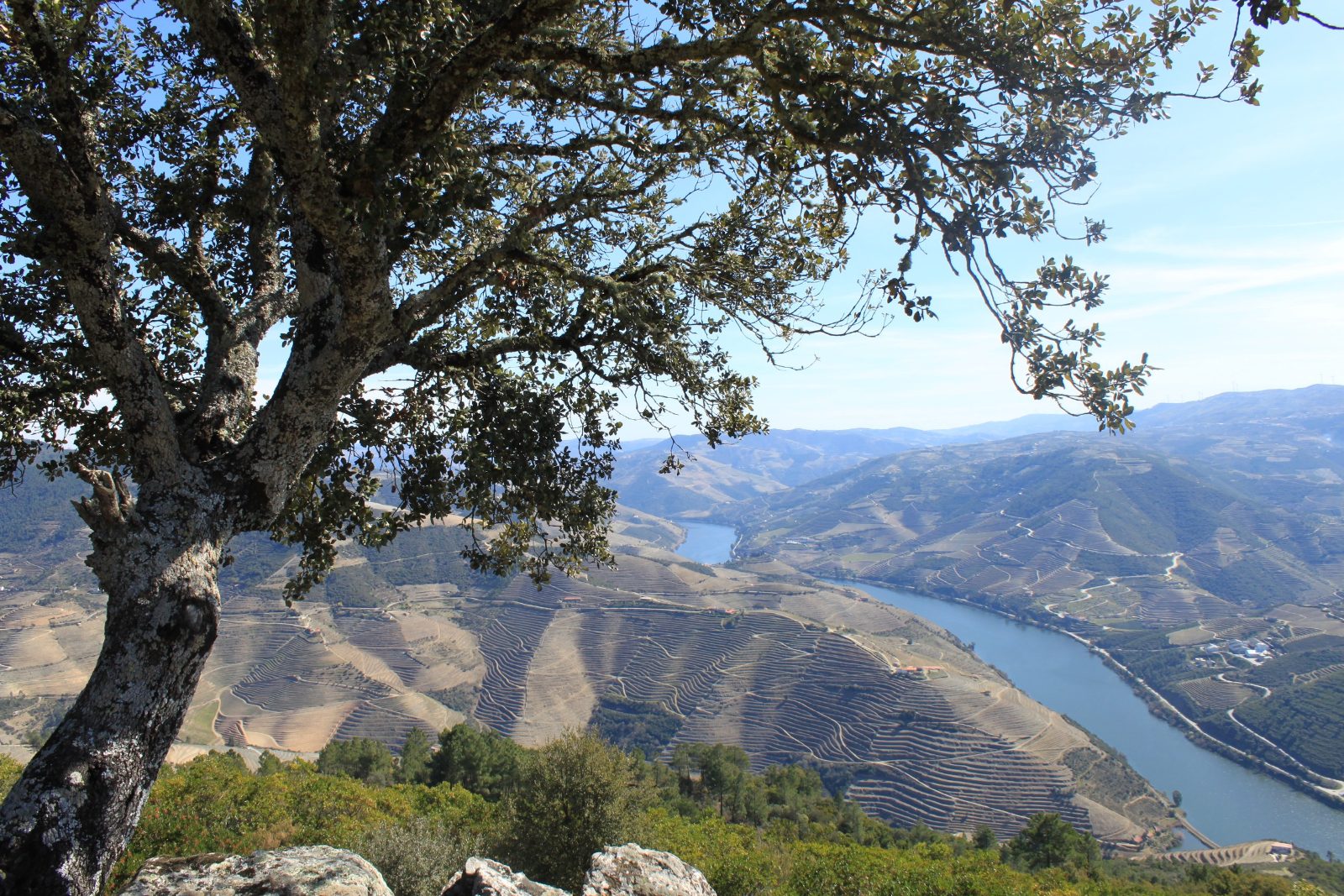
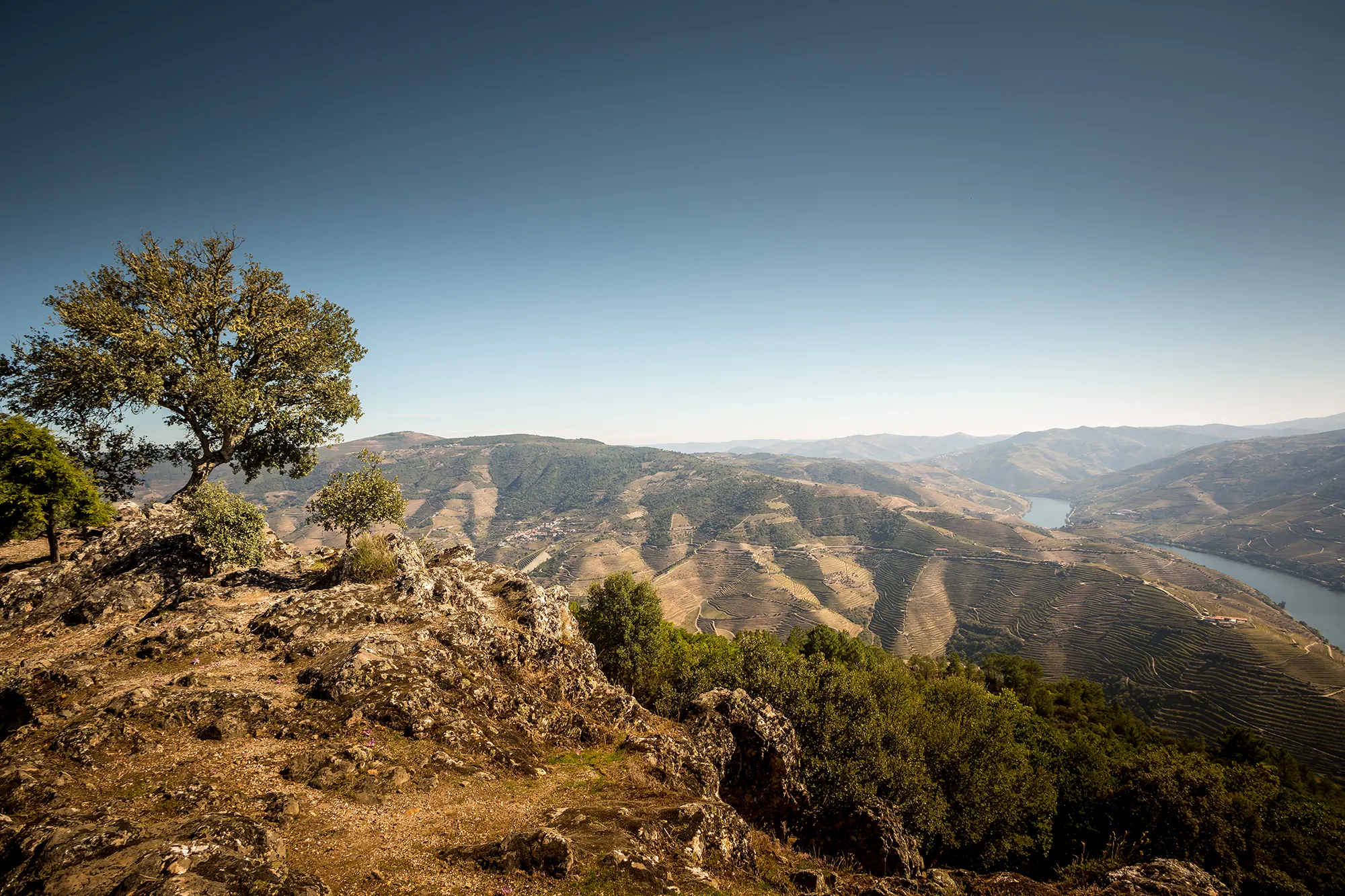
A douro valley tour from porto delivers exceptional value when you factor in what independent travel would cost: driving the winding N222 yourself means fuel, tolls, and navigating blind hairpin turns, while organized tours bundle transport, tastings at two or three quintas, a Douro River cruise, and lunch for a single upfront price. The Alto Douro Vinhateiro—a UNESCO World Heritage site—unfolds in terraced vineyards that climb steep slopes above the river, and guided excursions unlock estates you'd struggle to book solo. Tours from Porto to Douro Valley typically run nine to eleven hours, with morning departures avoiding midday heat and crowds at popular viewpoints like São Leonardo da Galafura. Wine tastings include port, reds, and whites produced on-site, and the river cruise offers a different vantage on the landscape. If you want efficient access to Portugal's premier wine region without the logistics headache, these day trips from Porto are hard to beat.
Bottom line: Book a douro valley tour from porto if you want hassle-free access to world-class wine country and don't mind the early start.
They complement each other; most visitors who do both call the guided tour more stress-free, while train travel offers a more budget-friendly and independent scenic perspective.
|
Top pick Douro Valley Tour |
Independent Train Travel | |
|---|---|---|
| Logistics | Full service door-to-door | Self-managed transit and taxis |
| Duration | 9–10 hours (full day) | Flexible (self-paced) |
| Average Cost | €65–€140 (all inclusive) | €20–€40 (transit only) |
| Transport Mode | Air-conditioned van | Public train to Pinhão |
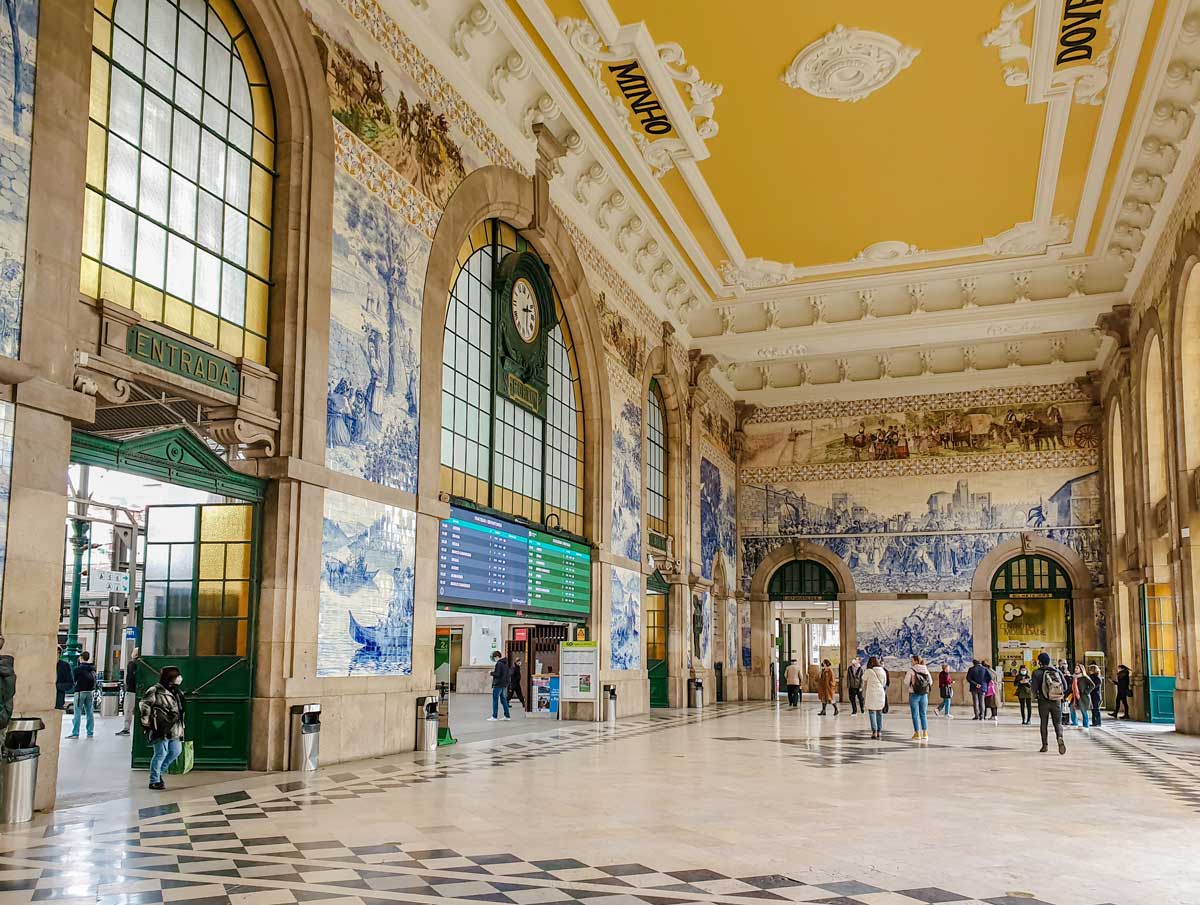
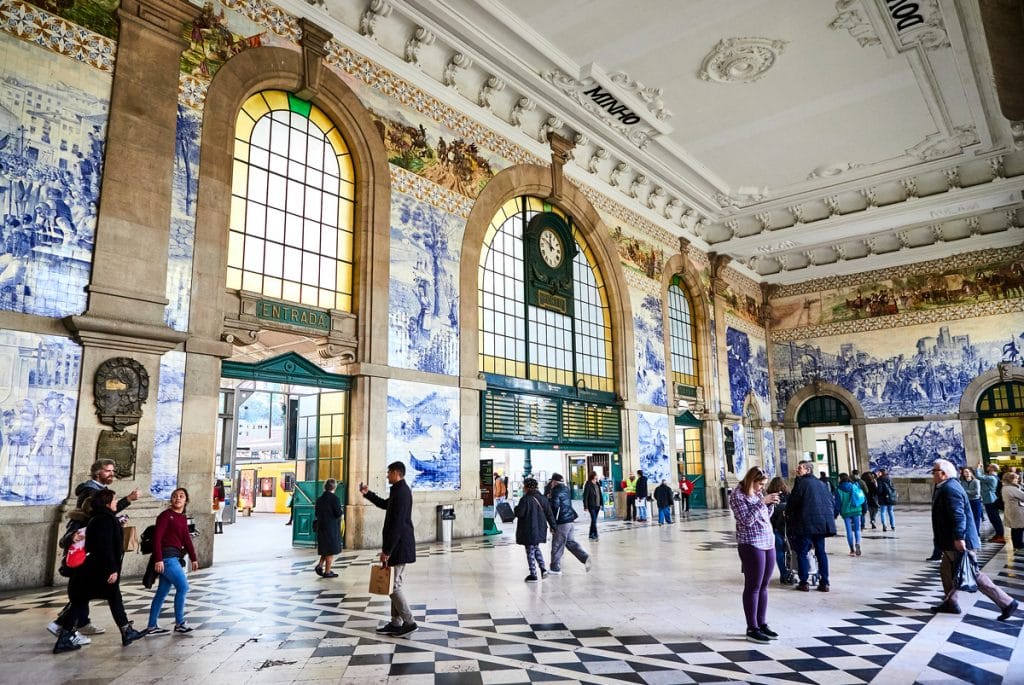
| Key Highlight | Guided quinta wine tastings | Historic train station azulejos |
| Constraint | Fixed schedule/itinerary | Must book quintas in advance |
| Intensity | Relaxed and curated | High independence requirement |
| See tickets & prices |
Verdict: For seamless access to multiple remote quintas and a stress-free experience, a guided douro valley tour from porto tour is superior, whereas the train is ideal for travelers prioritizing independence and budget.
Hand-picked experiences loved by thousands of travelers
7–10 hours
Free Cancellation
Full-day escape to Portugal's wine country with tastings at two estates, riverside lunch, and scenic cruise
7 - 10 hours
Free Cancellation
Explore Portugal's premier wine country with tastings, a scenic river voyage, and a traditional meal
7 hours
Free Cancellation
Journey through Portugal's wine country by river, rail, and vineyard with lunch and tastings included
7 hours
Free Cancellation
Full-day exploration of Portugal's wine country with tastings, a private river cruise, and historic Amarante
10 hours
Free Cancellation
Full-day journey through Portugal's wine country with expert-led tastings at family estates
10 hours
Free Cancellation
Explore Portugal's premier wine region through guided tastings at three distinct producers, plus a vineyard lunch.
10 hours
Free Cancellation
Small-group luxury wine experience through Portugal's legendary terraced vineyards and river valley
10 hours
Free Cancellation
Full-day excursion through Portugal's premier wine country with estate visits, tastings, and scenic boat ride
Depart Porto for the valley journey
Guided tour and tasting at a vineyard
Scenic cruise on a traditional Rabelo boat
Scenic drive back to the city
Produces famous port wine and features modern interactive tasting rooms. The estate is perched high above the river for great views.
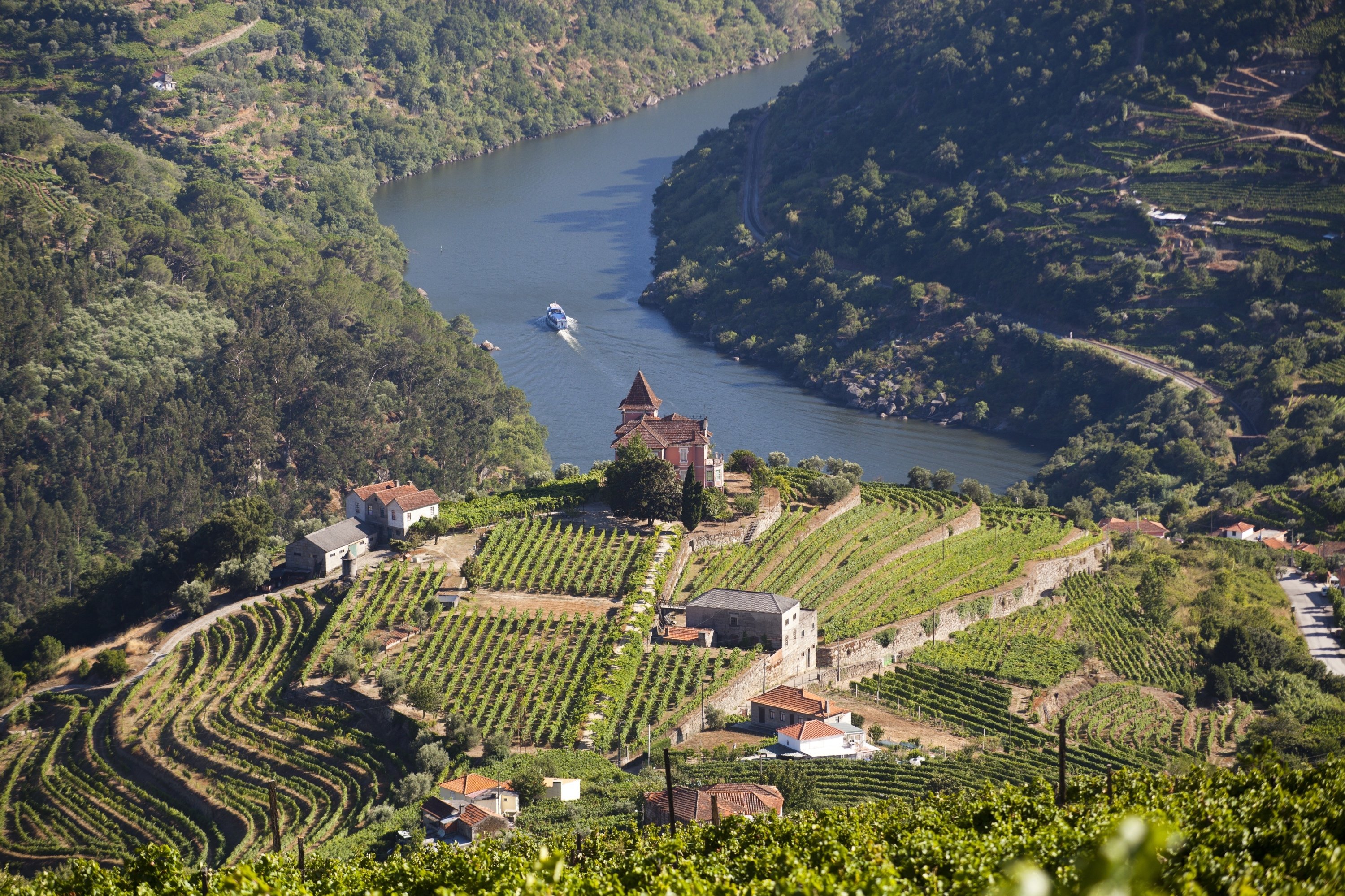
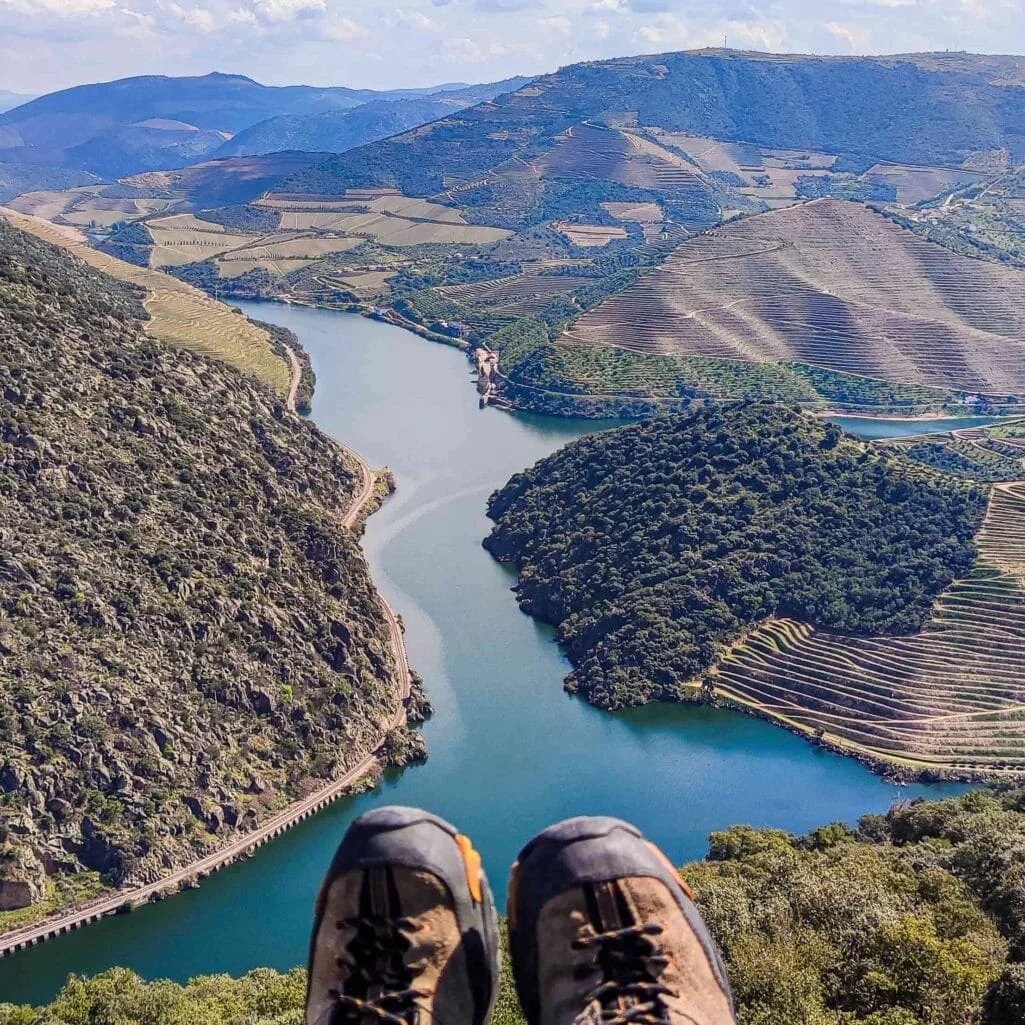
The lifeblood of the region, navigable by traditional Rabelo boats. It defines the character of any douro valley tour from porto.
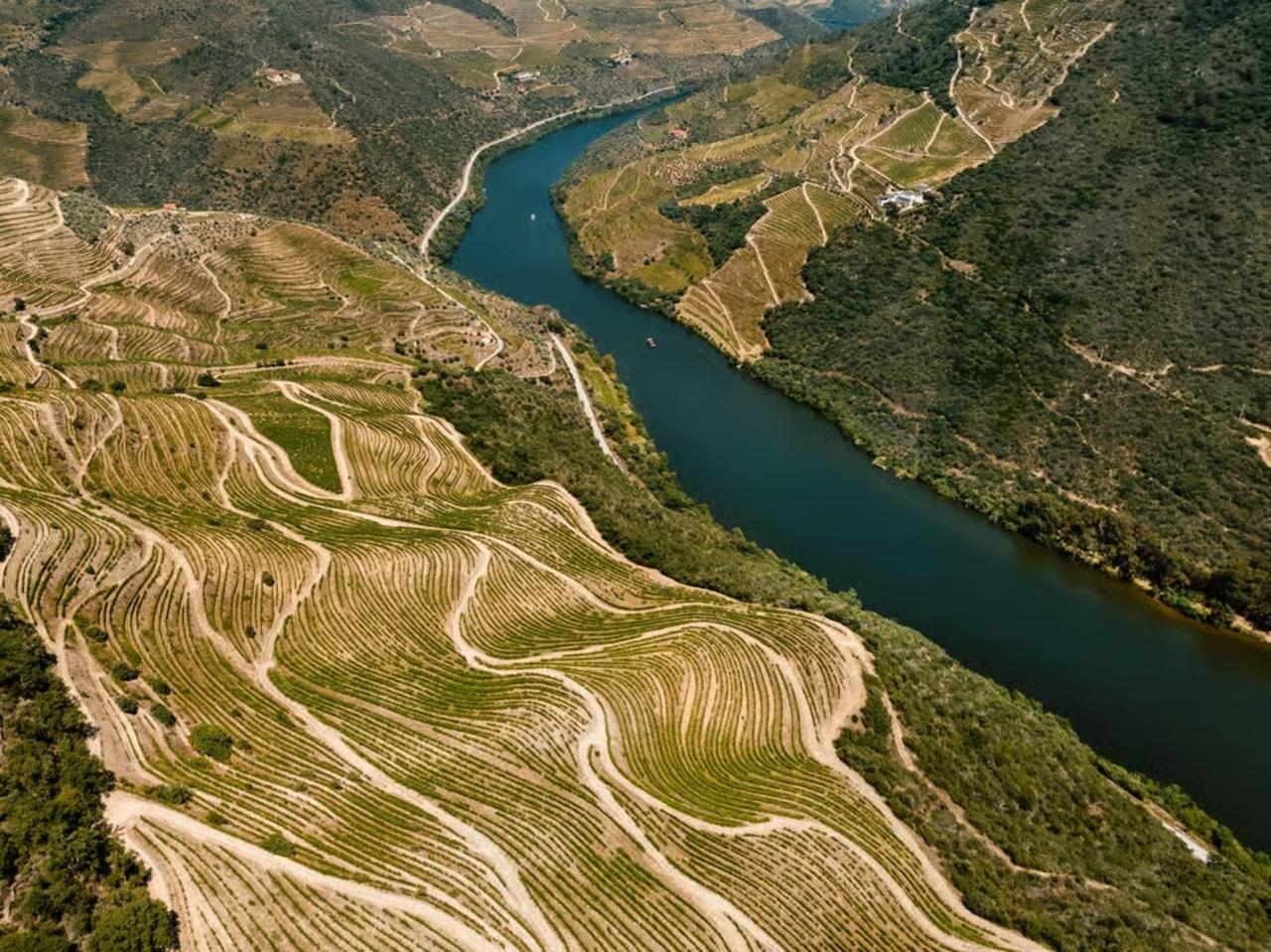
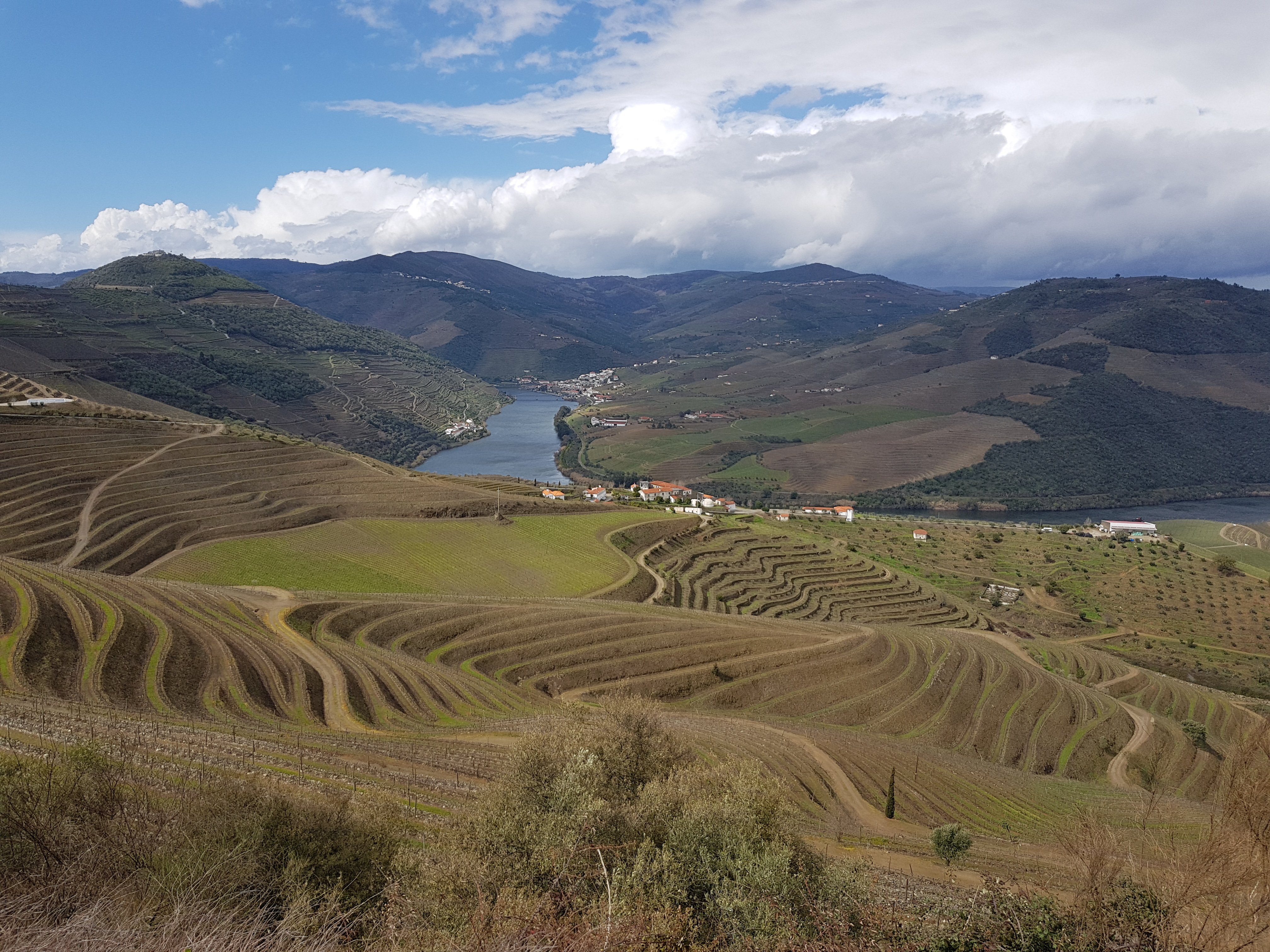
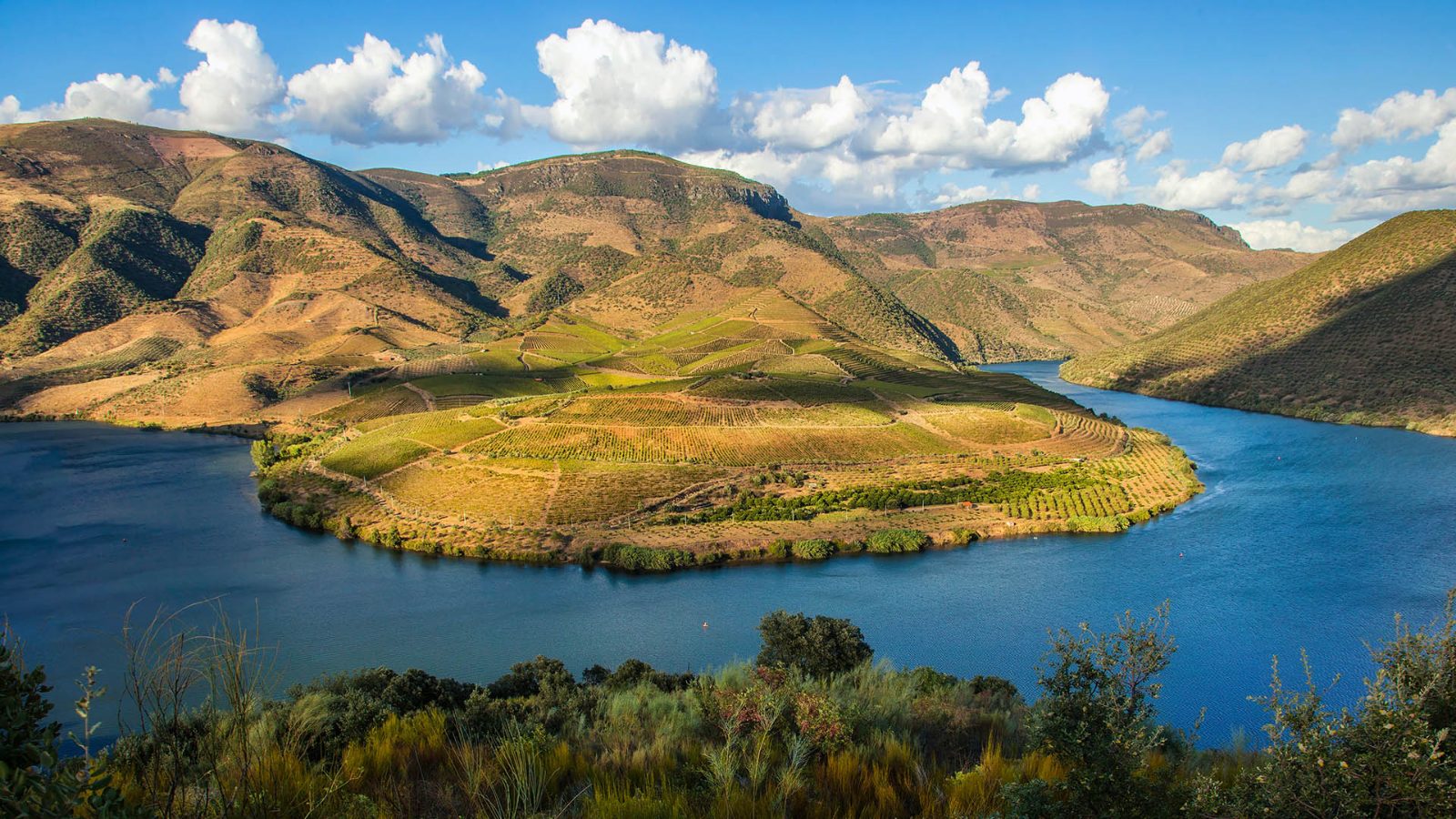
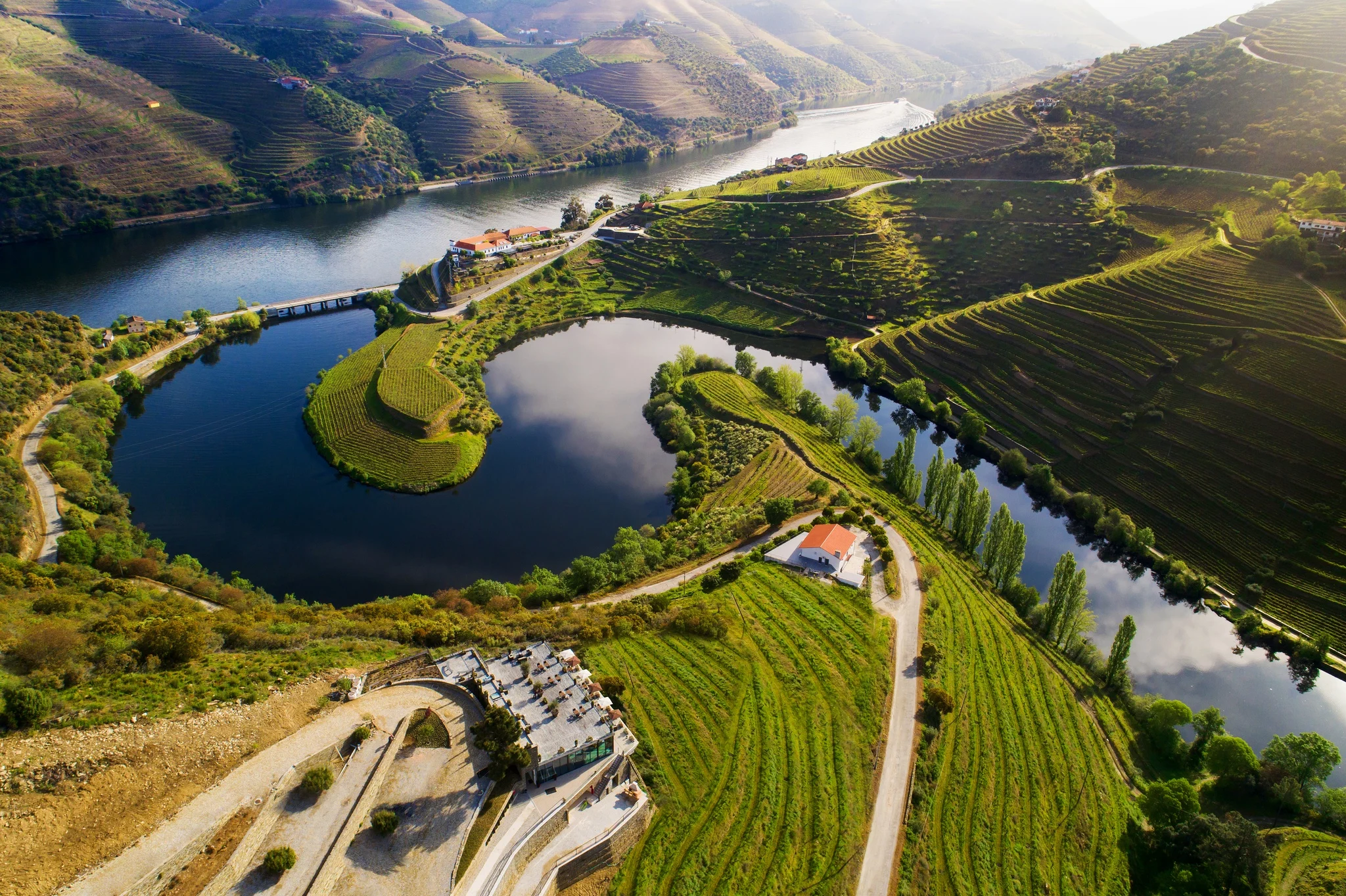
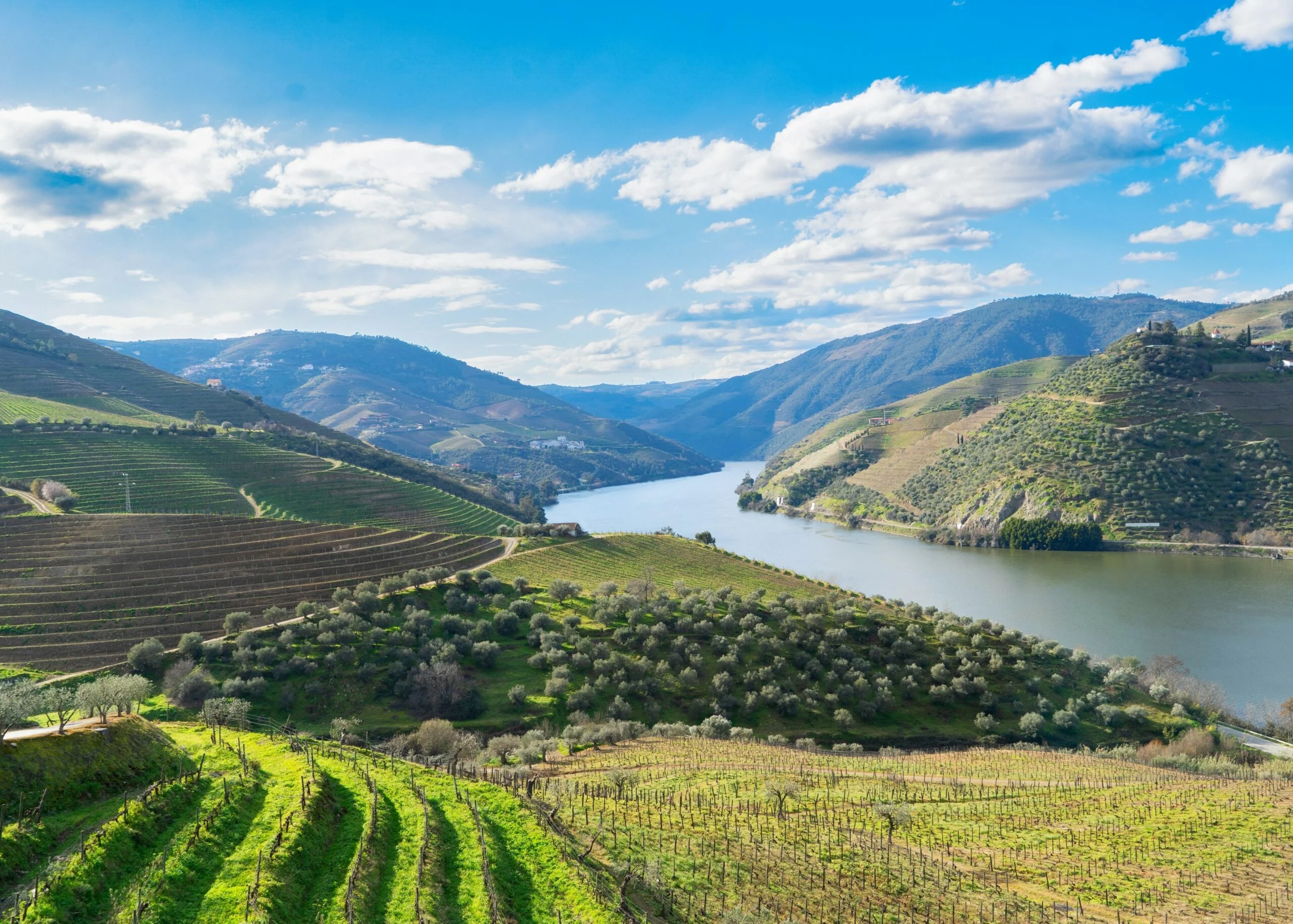
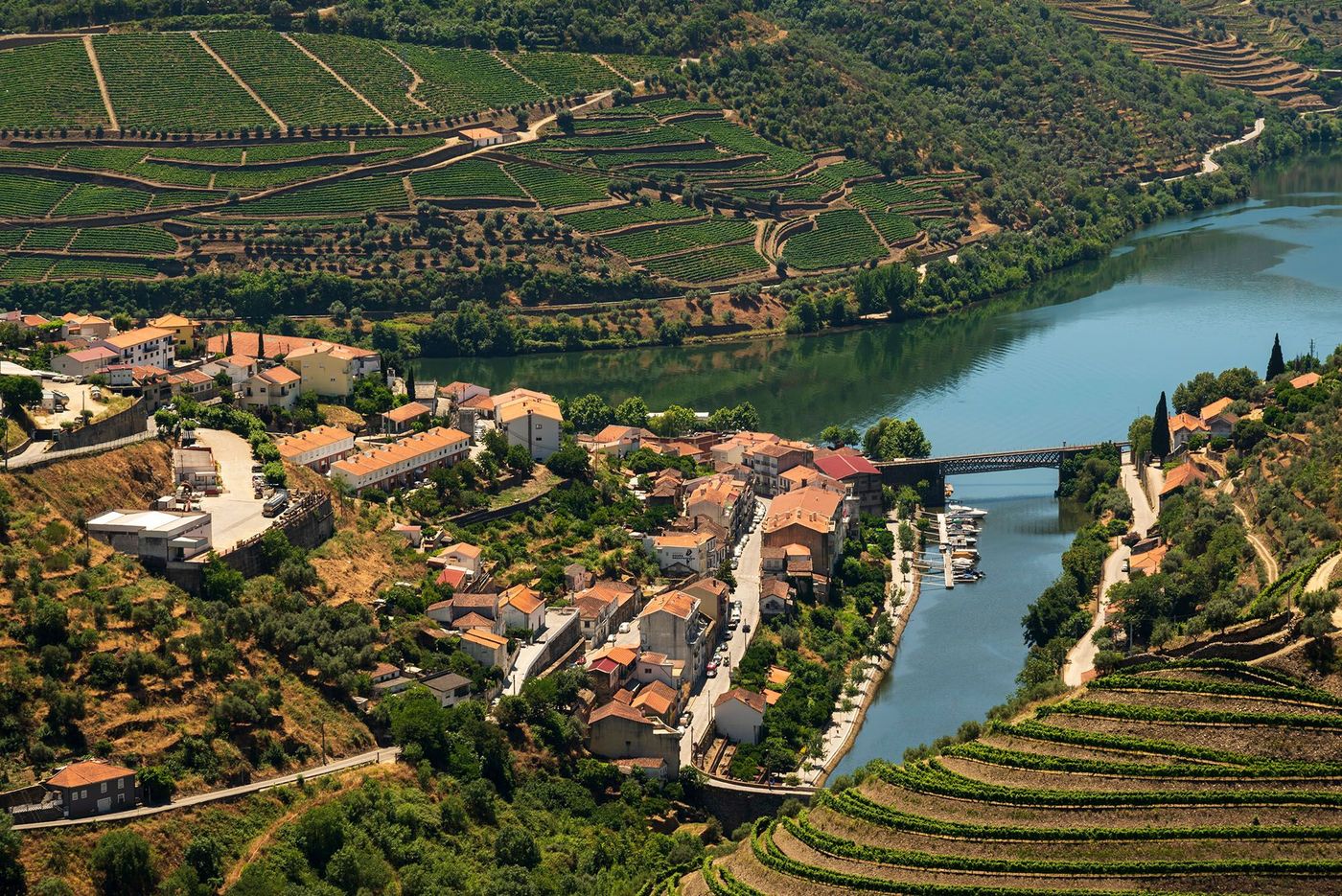
A UNESCO World Heritage site consisting of over 250,000 hectares of terraced vineyards. It represents centuries of human effort in landscape engineering.
The starting point for many travelers taking the train for a douro valley tour from porto. It features famous blue and white tile murals.
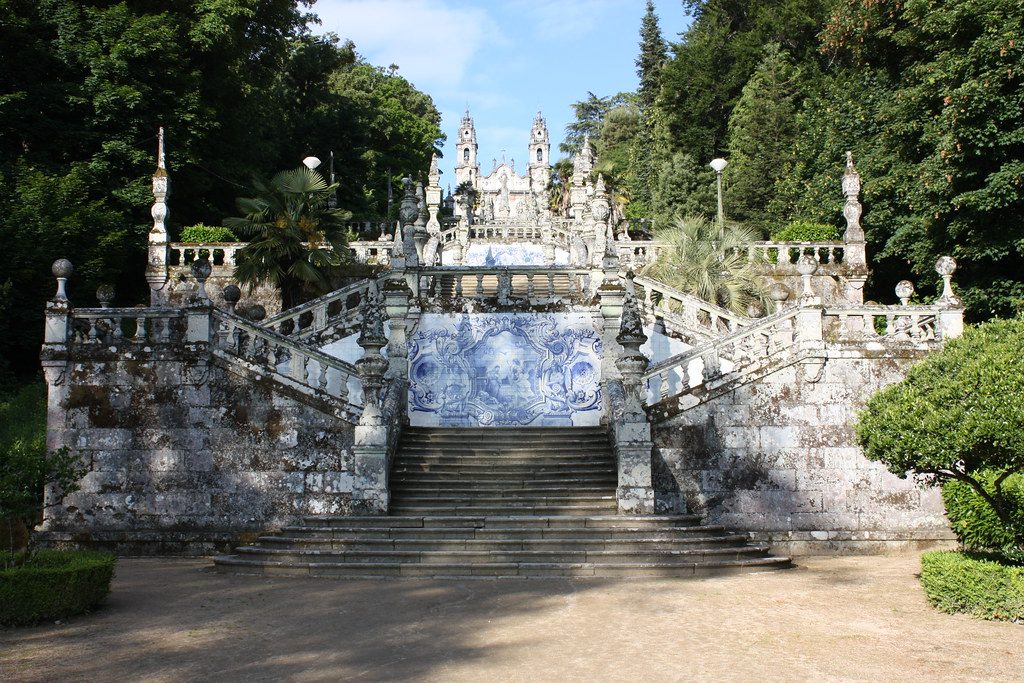
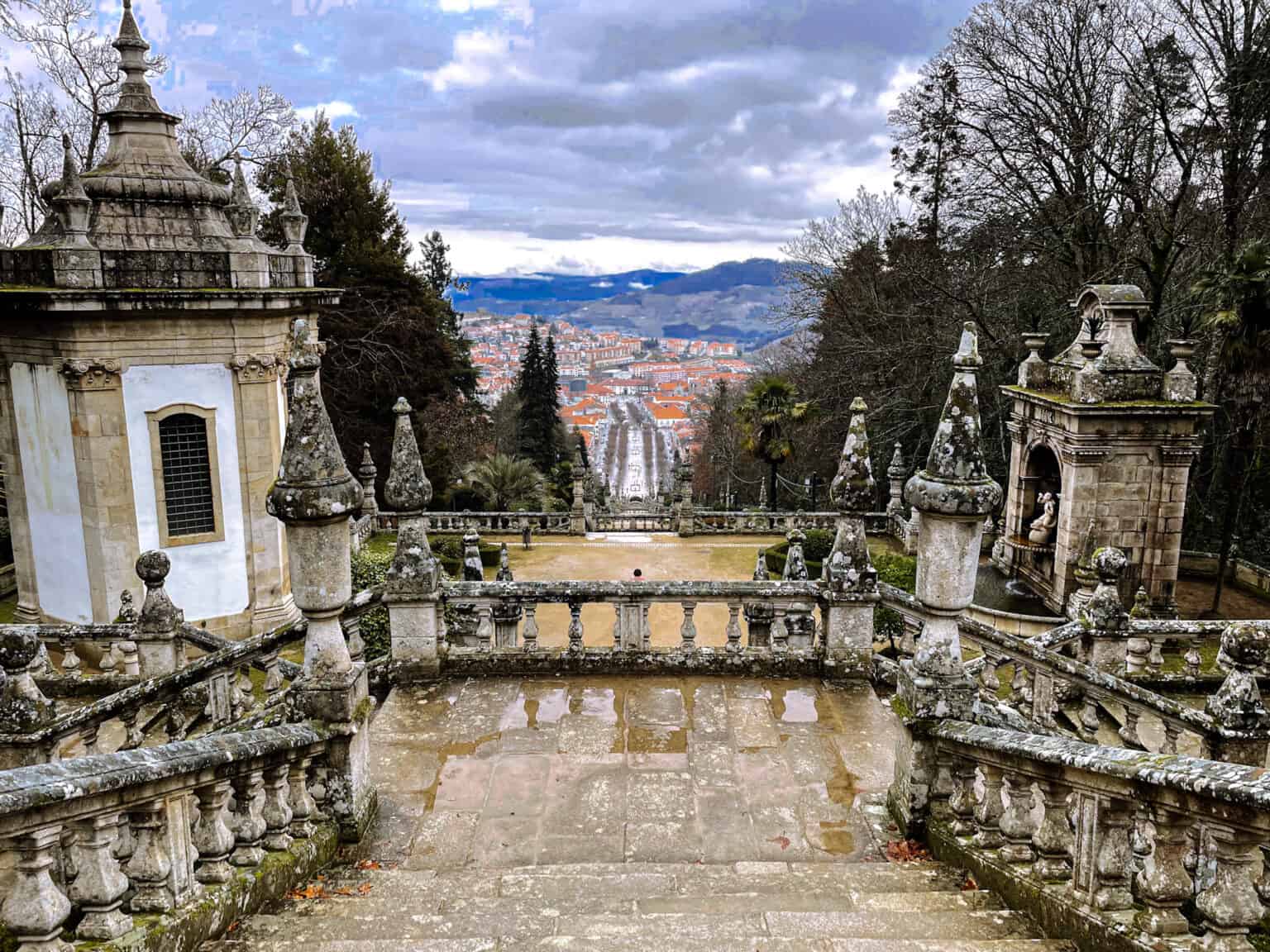
Features a grand staircase with 686 steps leading to a beautiful baroque church. It is a highlight of the southern valley.
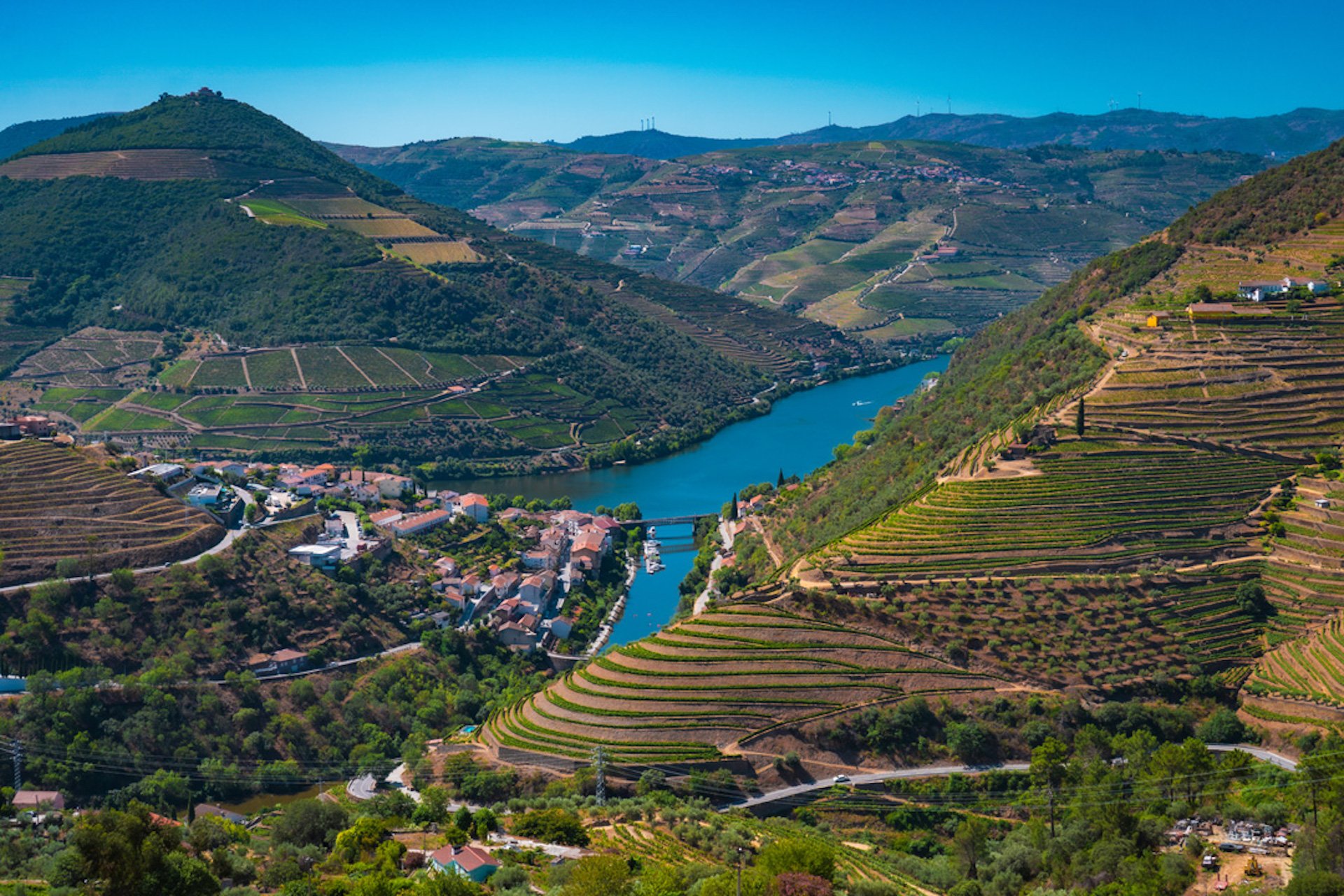
You depart Porto in the morning, crossing the Douro estuary and climbing eastward through pine forest that thins as the road rises. The landscape shifts at Entre-os-Rios, where the first terraced slopes appear beyond the Tâmega confluence.
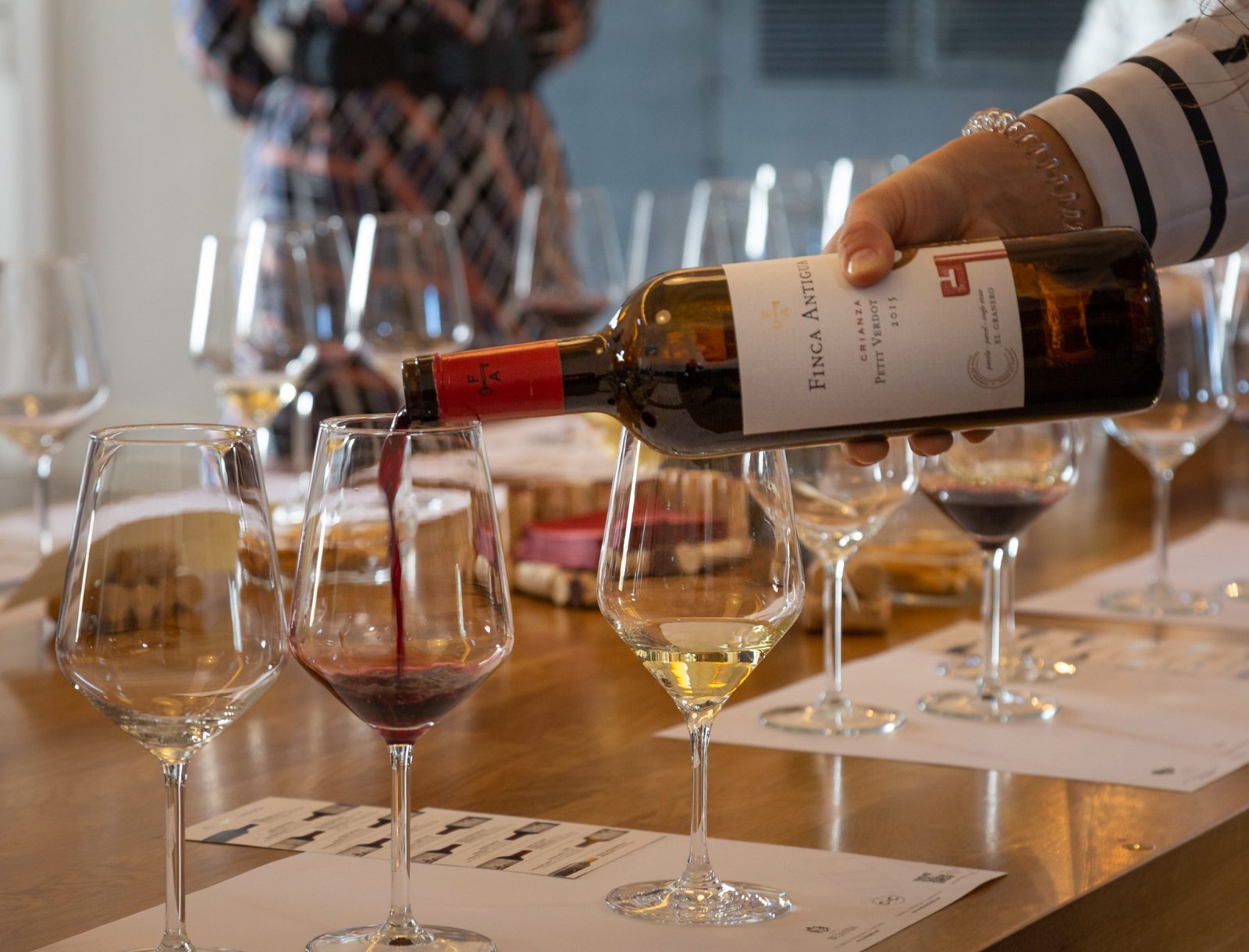
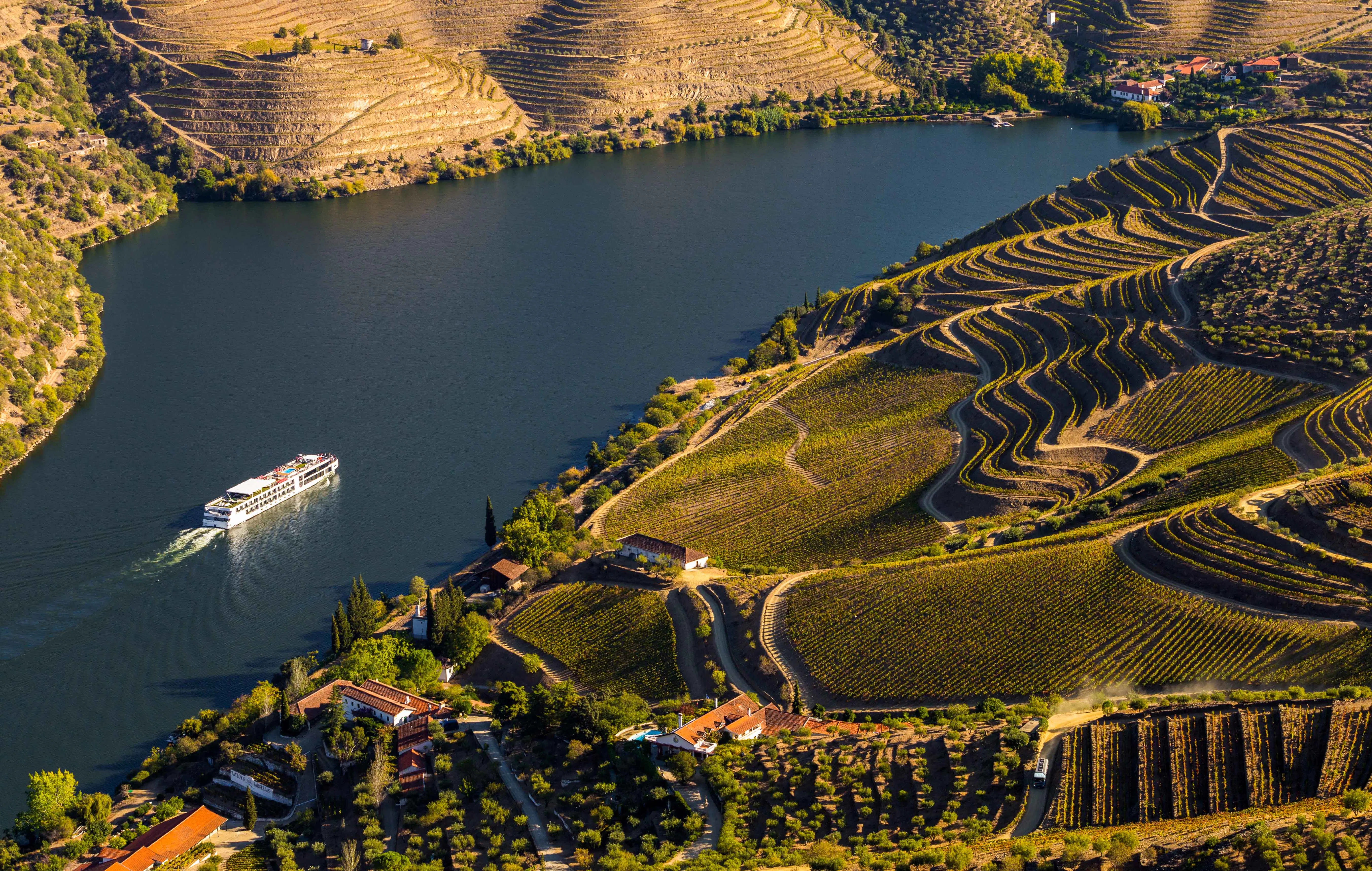
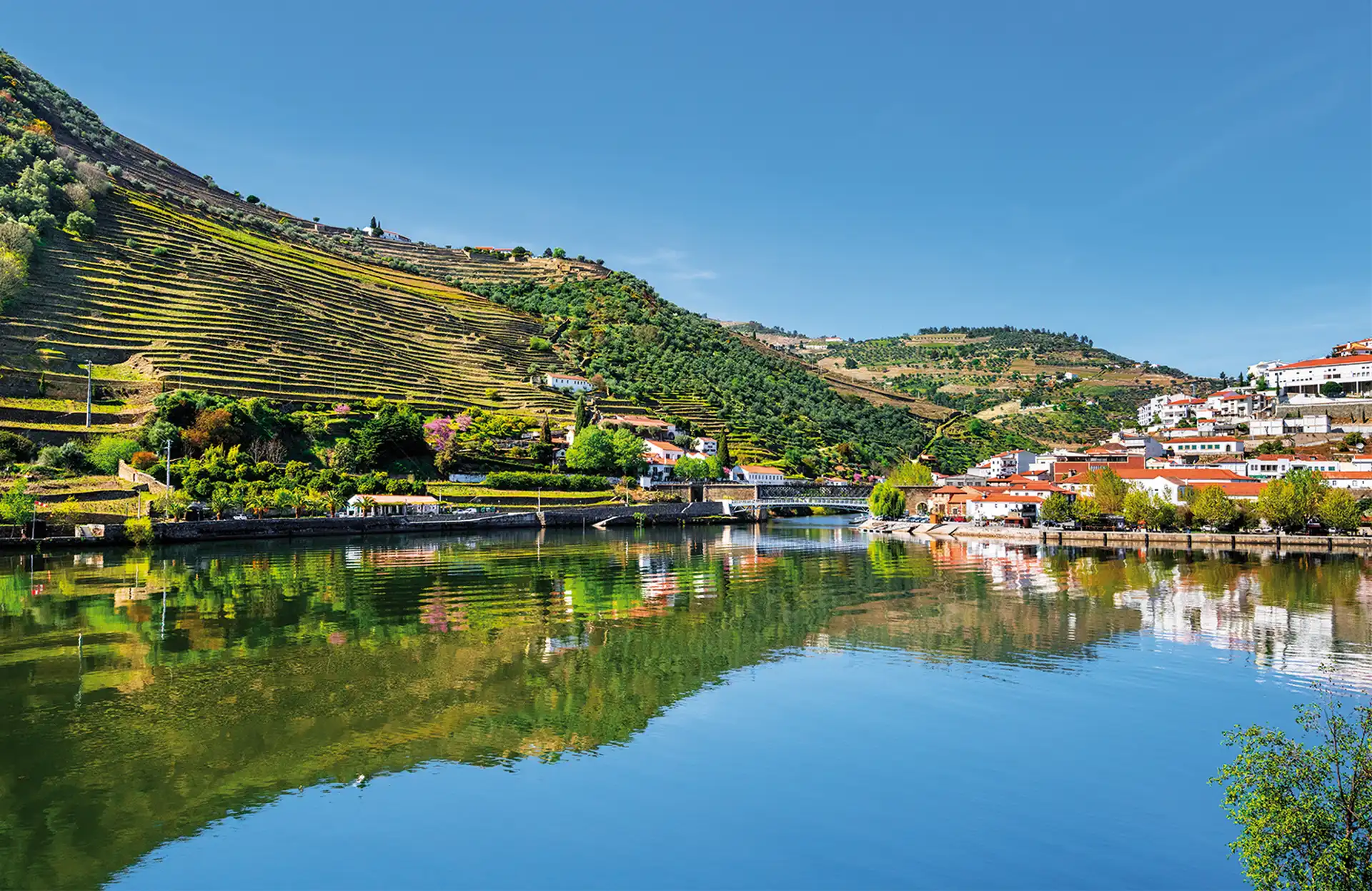
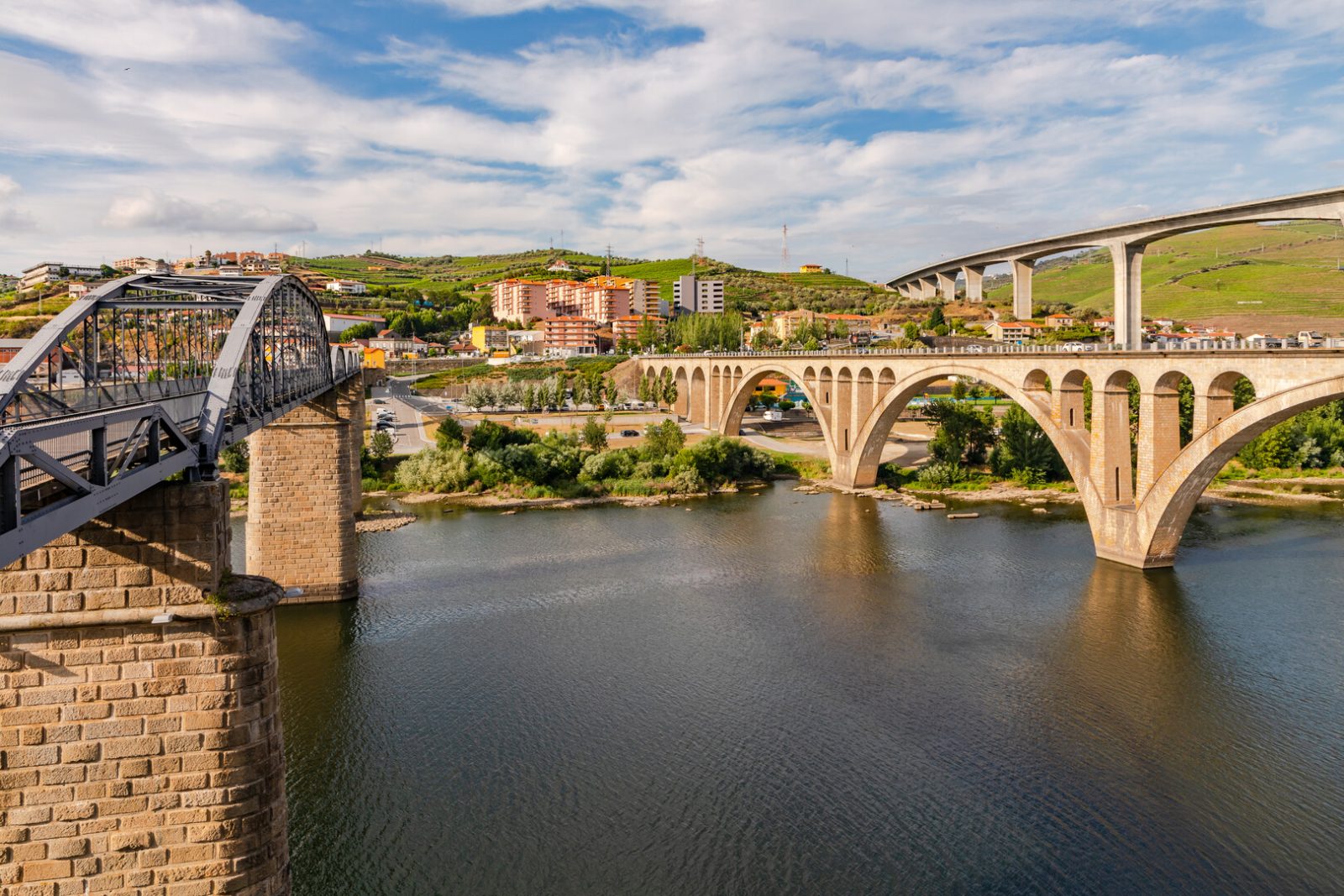
Your first stop is a quinta near Peso da Régua, where a guide walks you through the lagar—a shallow stone tank where grapes were traditionally foot-trodden—and pours three or four wines in a tasting room overlooking the river. You move on to Pinhão, where the railway station's azulejo panels depict harvest scenes in cobalt and white, and board a river cruise that traces the Douro's bends for an hour, passing under stone bridges and past quintas whose names are painted in white letters on the hillside.
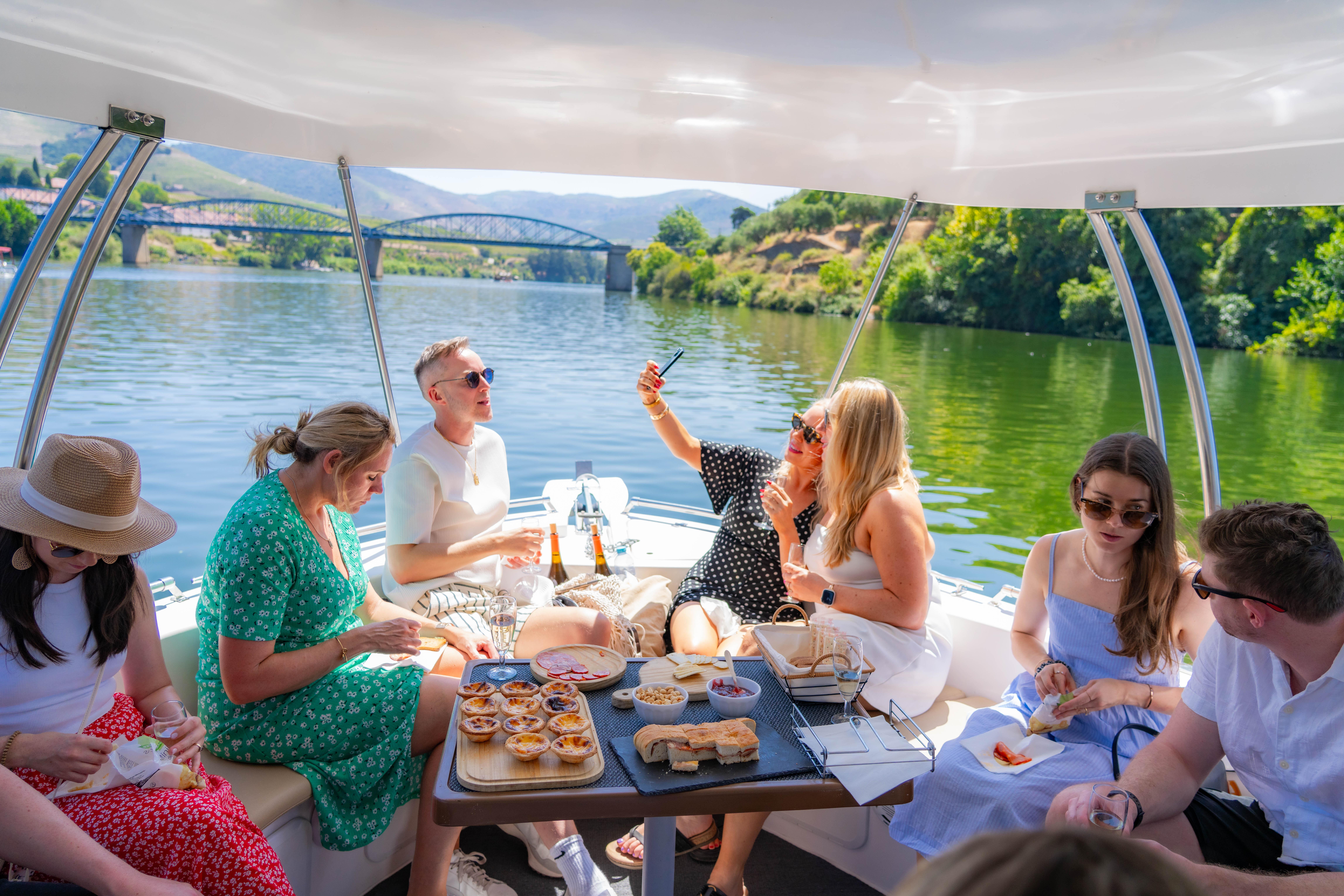
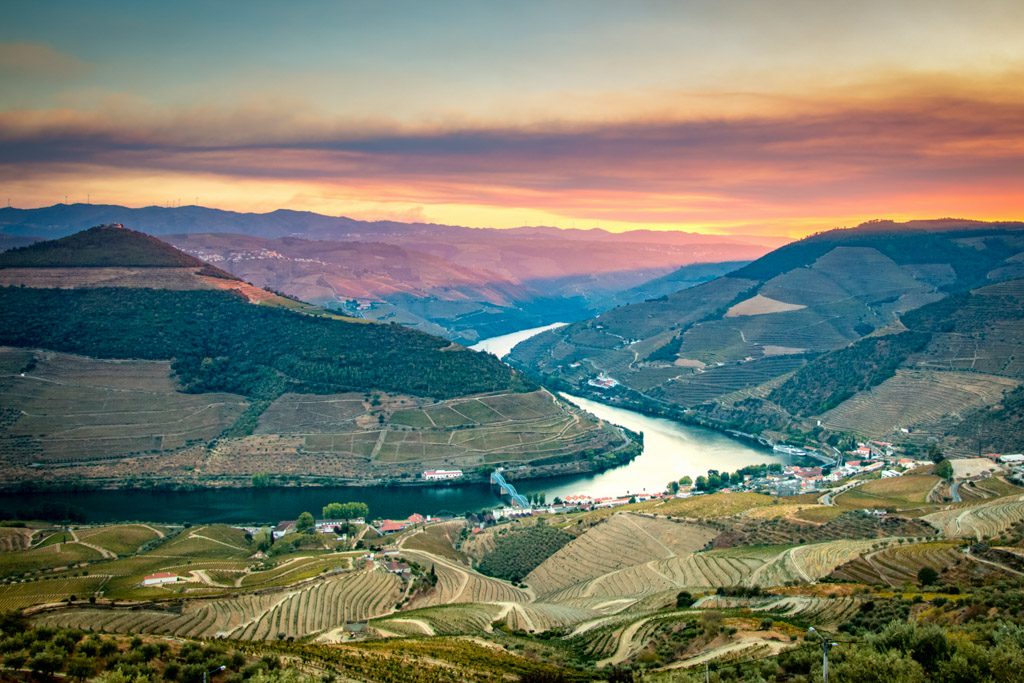
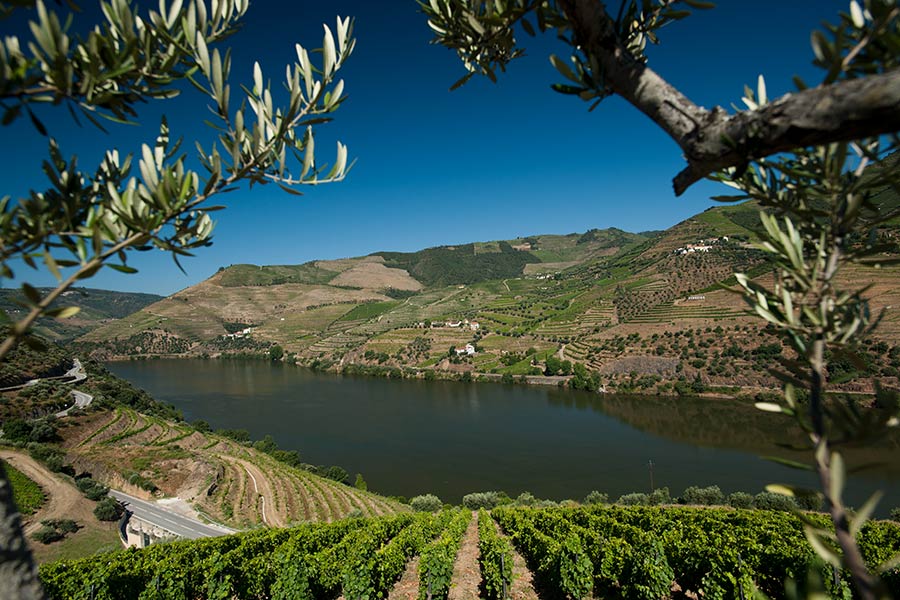
Lunch is served on the boat or at a riverside restaurant, typically bacalhau or pork with roasted vegetables and a carafe of estate red. In the afternoon, you visit a second quinta, this one higher on the slope, where the terrace walls rise in stacked tiers and the view extends over a bend in the river framed by ridge lines on both sides. The guide explains the difference between port and Douro DOC table wine, and you taste a tawny and a vintage reserve before the return drive to Porto, descending through the same gorge as the light drops behind the western ridge.
All the details about your upcoming adventure in one place
The Alto Douro Vinhateiro became the world's first demarcated wine region in 1756, when the Marquis of Pombal drew boundaries to protect port production from fraud and adulteration.
Three centuries later, the terraced slopes remain hand-harvested, their stone walls rebuilt each winter by families who have worked the same quintas for generations. The Douro River cuts through schist gorges between Peso da Régua and Pinhão, dropping 400 metres over 120 kilometres of bends that railway engineers in the 1870s followed with a single-track line hugging the north bank. Today, most visitors arrive by road from Porto, entering the UNESCO-protected landscape at Entre-os-Rios where the Tâmega confluence marks the transition from coastal green to arid interior.
The valley's significance lies not in a single monument but in a working cultural landscape where viticulture shapes every contour. Quinta estates cluster around Pinhão and Peso da Régua, their whitewashed manor houses fronted by tasting rooms that open directly onto slopes planted with Touriga Nacional, Tinta Roriz, and Touriga Franca. Port production moved downstream to Vila Nova de Gaia in the 18th century, but the valley retains its role as the source, with autumn harvests still trodden in lagares at traditional quintas. The region produces both fortified port and unfortified Douro DOC reds, the latter emerging as a category only in the 1980s when growers began bottling estate wines rather than selling all fruit to the port houses.
Architecturally, the valley offers little ornament beyond the tiered geometry of the vineyards themselves. Schist retaining walls climb from the riverbank to ridgelines 500 metres above, each terrace a hand-laid ledge wide enough for three rows of vines. Modern quintas have replaced some terraces with patamares, machine-accessible ramps that sacrifice density for efficiency, but the older vertical parcels remain intact, their stone infrastructure unchanged since the 19th century. The Linha do Douro railway, completed in 1887, threads through tunnels and viaducts that frame the river at intervals, while the N222 road follows the south bank through villages where azulejo-tiled stations and baroque churches mark the river towns that once shipped casks downstream on barcos rabelos.
Three centuries later, the terraced slopes remain hand-harvested, their stone walls rebuilt each winter by families who have worked the same quintas for generations.
Wear comfortable walking shoes suitable for uneven vineyard terrain. Dressing in layers is recommended for any douro valley tour from porto as morning temperatures can be cool compared to afternoon heat.
Small backpacks are recommended for personal items during your douro valley tour from porto. Secure any valuables in your hotel, as coaches may have limited storage for large luggage.
Photography is permitted throughout the landscapes, though guests should request permission before capturing private interiors or staff at specific quintas. Use a wide-angle lens to capture the scale of the terraced hillsides.
Families are welcome, though young children may find the travel duration challenging. Ensure your chosen douro valley tour from porto provides appropriate child safety seats if traveling by car.
Many historical estates in the region feature steep stairs and uneven stone paths. Visitors requiring assistance should verify accessibility with their specific douro valley tour from porto provider before booking.
External food and beverages are generally prohibited during private Quinta tastings. Your douro valley tour from porto often includes localized lunch options featuring regional cuisine.
Opening Hours
00:00–23:59
Address
Douro Valley, Alto Douro Vinhateiro, Portugal
Region Access
Public infrastructure available
Best Arrival
09:00–11:00
Region Type
UNESCO World Heritage Site
Public transport · 02:30 · 10–20 EUR
Take the Linha do Douro train from Porto to Pinhão or Régua for a scenic route.
Car · 01:45 · Fuel and tolls extra
Rent a vehicle and follow the N108 or A4 highway east.
Cancellation terms for a douro valley tour from porto are determined by your chosen operator. Generally, tours provide full refunds for cancellations made at least 24 to 48 hours prior to departure, excluding the standard 0 EUR entrance fee to the public region.
Recommended time
Full day
A comprehensive douro valley tour from porto typically spans 8 to 10 hours, allowing for travel time and exploration of the Alto Douro Vinhateiro. We recommend an early departure to reach the wine estates within the best arrival window of 09:00–11:00, which helps you bypass the heaviest concentrations of visitors at popular scenic viewpoints. Securing your douro valley tour from porto tickets in advance provides structure, while those seeking extra flexibility for river cruises or vineyard walks should allocate a full day for this UNESCO heritage region. Crowds at major quintas intensify during the afternoon as multiple excursions converge.
Crowd levels through the day
Weather · crowds · average price — dots go green to amber to red as each metric rises.
Mild temperatures and blossoming almond trees create a vibrant landscape. March to May is ideal for comfortable hiking.
Expect high temperatures and peak harvest activity. September is a prime time for a douro valley tour from porto.
The harvest season transforms the hills with deep red and gold foliage. This is a popular time for local festivals.
Quieter period with cool, crisp weather. Many quintas offer indoor tastings during these months.
Reserve your douro valley tour from porto at least two weeks in advance during the September harvest season.
Carry extra water during the summer months to avoid dehydration while exploring exposed vineyards.
Only carry the essentials in a small bag to maximize comfort during a full-day douro valley tour from porto.
The train offers lower-stress travel compared to driving narrow, winding mountain roads.
Verify if your chosen douro valley tour from porto includes all tasting fees at the local quintas.
The Douro Valley's viticultural roots stretch back to Roman occupation, when legions planted vines along the terraced slopes above the river. By the medieval period, Cistercian monks had codified cultivation techniques, yet it was the 1703 Methuen Treaty between England and Portugal that ignited commercial demand for Douro wines. British merchants flooded Porto, seeking fortified reds to survive Atlantic crossings. In 1756, the Marquis of Pombal established the world's first demarcated wine region, the Região Demarcada do Douro, erecting 335 granite boundary markers to combat fraud and protect the nascent port wine trade. This act of political will transformed subsistence farming into regulated export agriculture. The 19th century brought crisis and renewal. Phylloxera devastated European vineyards in the 1860s, reaching the Douro by 1872 and obliterating approximately two-thirds of production within a decade. Growers replanted with resistant American rootstock, a painstaking recovery that reshaped the valley's grape varieties and farming practices. Simultaneously, the construction of the Douro railway line in 1887 replaced the treacherous barco rabelo river transports, opening the Alto Douro to modernization. Quintas that had languished in isolation now gained reliable access to Porto's export houses, and the valley's identity as a living working landscape solidified. UNESCO inscribed the Alto Douro Wine Region as a World Heritage Site in 2001, recognizing its "outstanding example of a traditional European wine-producing region." The designation acknowledged not merely scenic beauty but centuries of human engineering: terraced vineyards carved by hand, schist walls retaining thin topsoil, and microclimates meticulously exploited. Today, visitors embarking on a Douro Valley tour from Porto traverse this layered heritage, witnessing quintas where 18th-century lagares coexist with stainless-steel fermentation tanks. The region remains economically vital, producing both fortified port and table wines, while its landscapes serve as open-air archives of viticultural perseverance. The interplay of commerce, catastrophe, and conservation continues to define the valley's character.
Romans introduce viticulture to the Douro River basin, planting vines on terraced slopes.
Marquis of Pombal demarcates the Região Demarcada do Douro, the world's first regulated wine region, with 335 granite markers.
Phylloxera epidemic destroys two-thirds of Douro vineyards; recovery requires replanting with American rootstock.
Douro railway line opens, replacing barco rabelo river transport and linking quintas directly to Porto.
Portugal joins the European Economic Community, modernizing infrastructure and bringing investment to Douro viticulture.
UNESCO designates the Alto Douro Wine Region a World Heritage Site for its cultural landscape and viticultural tradition.
Position yourself at the edge of the stone wall overlooking the village and river to capture the famous amphitheater of vines. This spot is a highlight on any douro valley tour from porto.
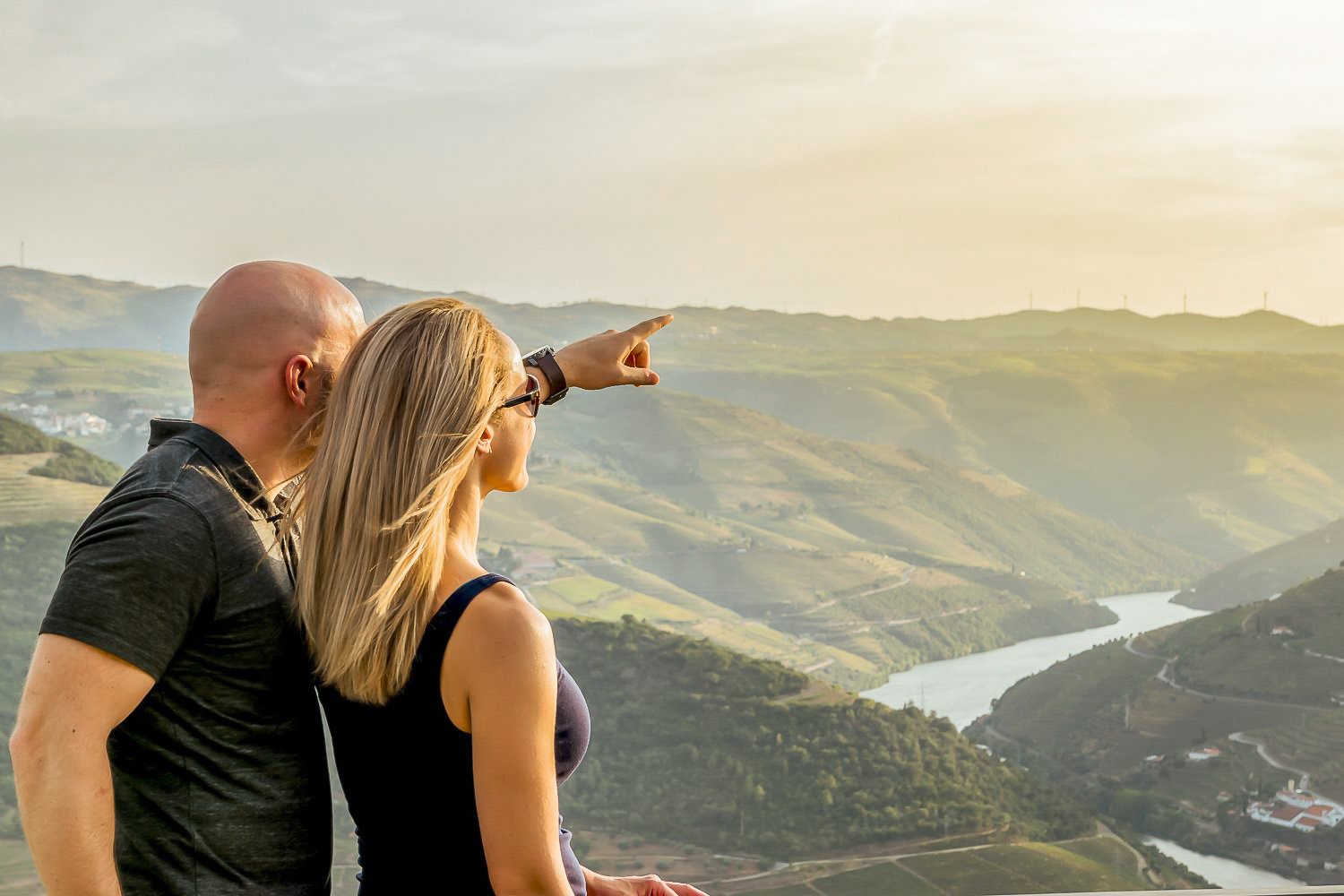
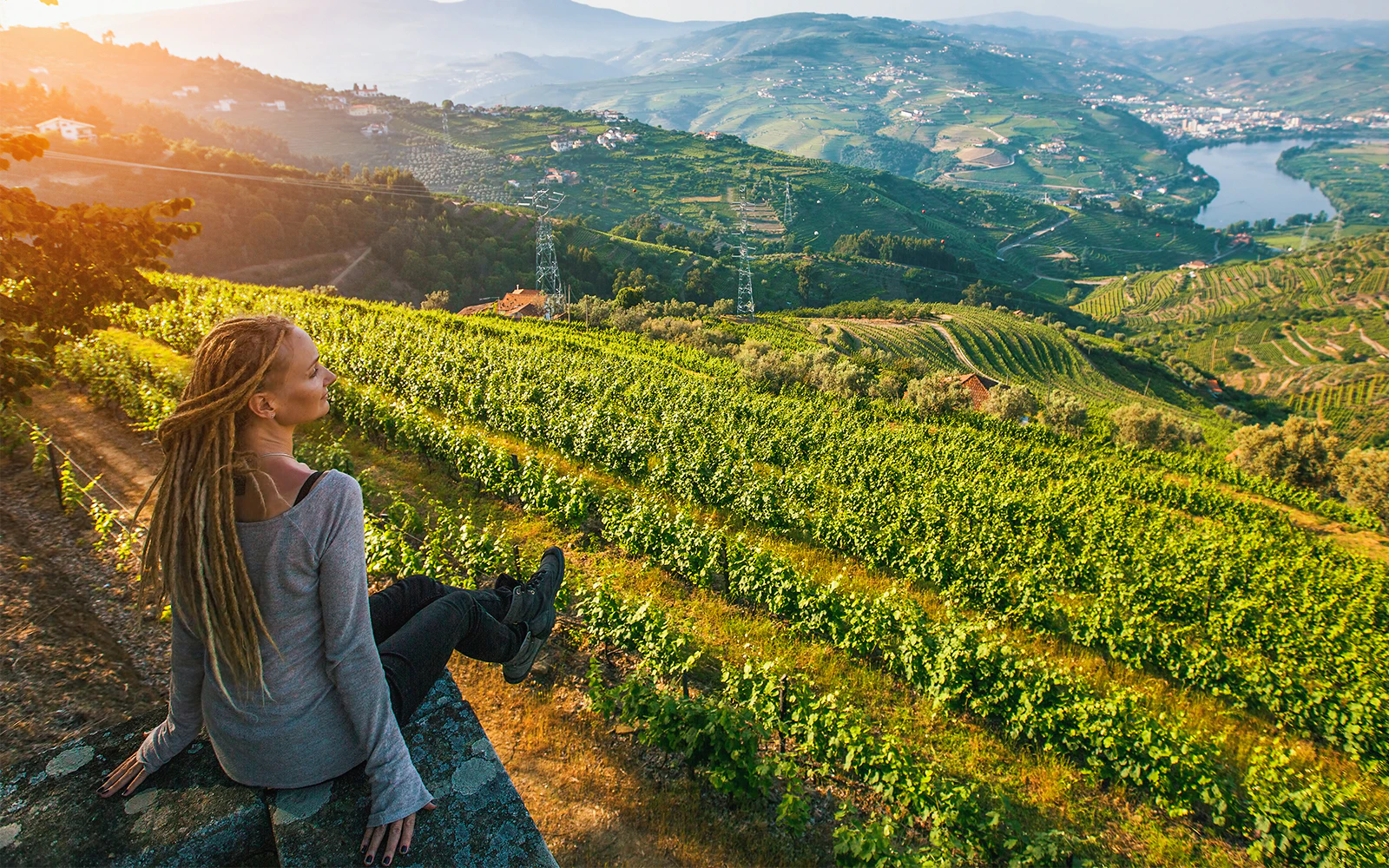
Stand near the small chapel for a sweeping panorama of the winding river below and the distant mountains. This high-altitude vantage point provides a classic composition of the Alto Douro Vinhateiro landscape.
Located near the confluence of the Távora and Douro rivers, this site offers a unique angle of the valley floor and steep terraced hillsides. It is an ideal stop during your Douro Valley sightseeing trip.
Explore the various paths around the shrine to find distinct framed shots of the river snaking through the hills. This location is often included when travelers book douro valley tour from porto tours for deep photography.
Visit the terrace levels near the main winery building to capture the geometric patterns of the vineyard rows. Many visitors securing their douro valley tour from porto tickets prioritize this site for its accessible perspective.
Planning a douro valley tour from porto with children requires careful pacing to manage the winding roads and travel time. The region offers wide open spaces, though infrastructure varies significantly by location.
Many traditional quintas feature uneven cobblestone paths and vineyard terraces that are difficult for strollers, so a soft carrier is highly recommended for infants. When booking your douro valley tour from porto tours, verify if your transport vehicle provides ISOFIX points for car seats.
School-aged children often enjoy the boat excursions along the river more than the wine-tasting sessions. Look for a douro valley tour from porto tour that balances sightseeing with interactive elements to keep young travelers engaged.
Baby-change facilities are limited in rural vineyards, so parents should carry a well-stocked diaper bag with all necessary essentials. You will need your douro valley tour from porto tickets ready for digital or physical verification at various transit checkpoints.
Given the 09:00–11:00 arrival window is recommended to avoid heat and crowds, aim for a direct morning departure from the city. This approach ensures you experience the UNESCO heritage landscape before the midday sun intensifies.
Pack extra snacks and water, as local tasting rooms may not cater specifically to younger palates. Most river cruises provide basic refreshments, but bringing your own provisions is wise for longer excursions.
Dining options while on a douro valley tour from porto primarily revolve around traditional quinta estates that emphasize regional flavors and local wine pairings. While planning your Alto Douro Vinhateiro visit, expect farm-to-table menus featuring olive oil, cured meats, and fresh river fish.
Located on the riverfront, this venue offers sophisticated contemporary cuisine using local ingredients. It is a preferred stop for travelers seeking a premium meal after their douro valley tour from porto tours.;Castas e Pratos
Everything you need to know for your journey
The best arrival window is 09:00–11:00 to avoid mid-day heat and large crowds at popular quintas. This timing maximizes your experience during a douro valley tour from porto.
There is 0 EUR entrance fee to the region itself. However, individual quintas visited during a douro valley tour from porto charge separate fees for tours and tastings.
A standard douro valley tour from porto usually lasts between 8 to 10 hours including travel time. Always check the operator's specific itinerary.
Yes, many providers offer a family-friendly douro valley tour from porto. Confirm if your operator provides child seats if traveling by road.
While possible, it is recommended to secure douro valley tour from porto tickets in advance to ensure availability during peak harvest months.
Pack comfortable walking shoes, sunscreen, a hat, and a light jacket for a douro valley tour from porto. See the practical info section for a full list.
Yes, the region is open 00:00–23:59 daily, making a douro valley tour from porto possible throughout the year.
Yes, photography is permitted on most tours. Respect private property rules at each quinta during your douro valley tour from porto.
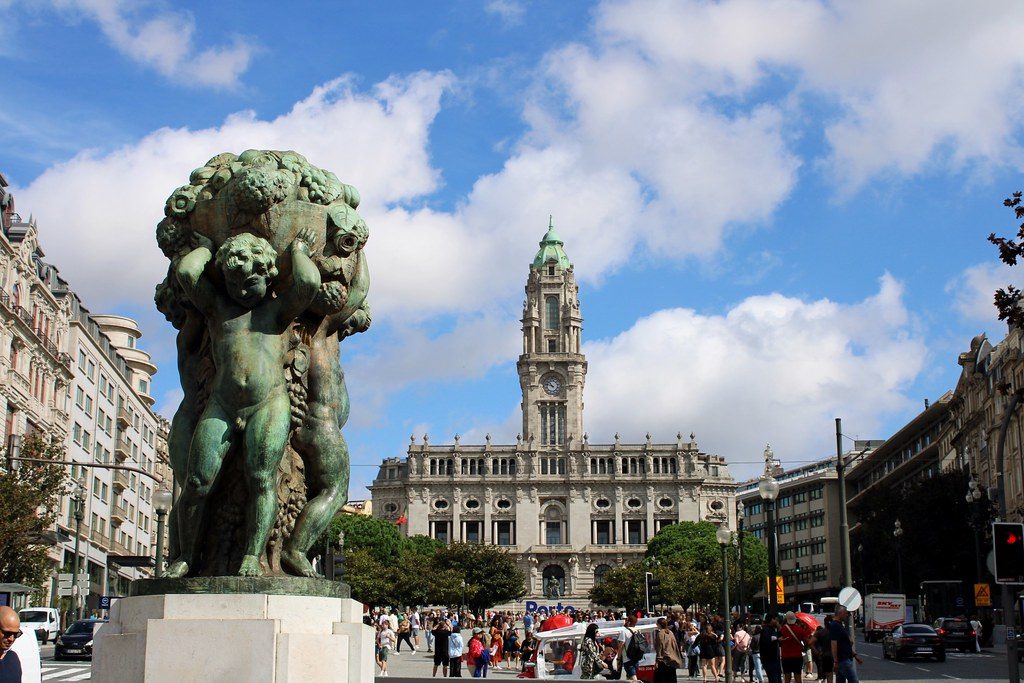
Most tours depart from central Porto locations like São Bento Station or Aliados Avenue for your douro valley tour from porto.
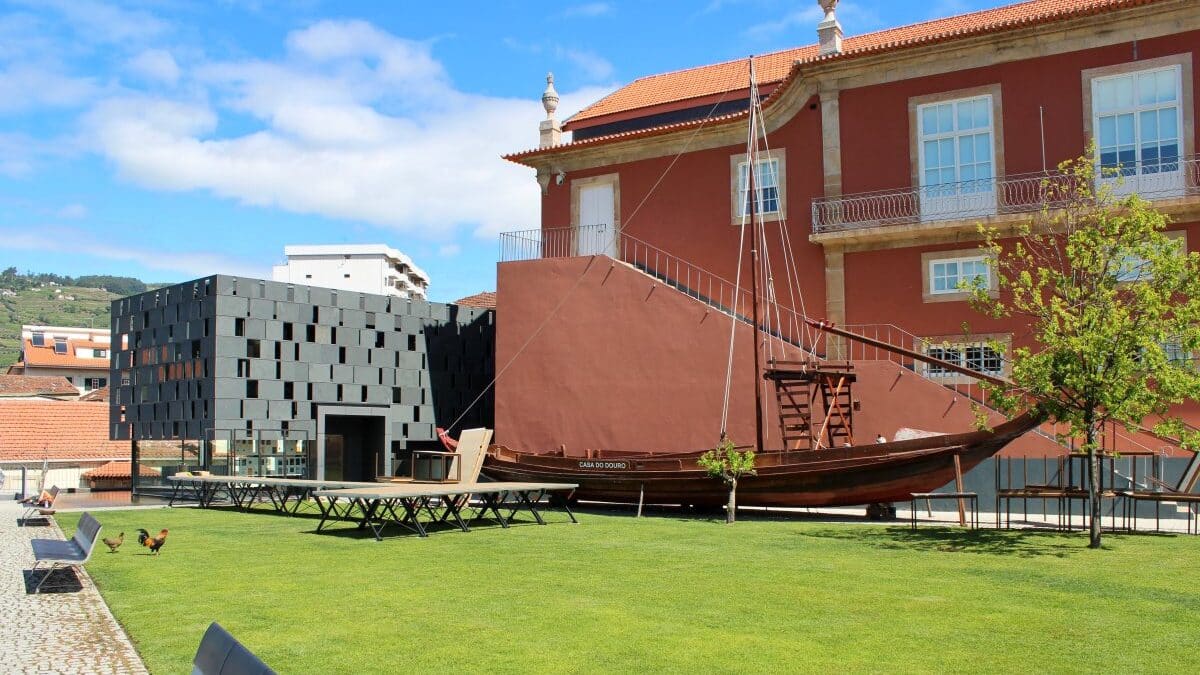
Exhibits dedicated to the history of wine production in the region.
Iconic baroque staircase overlooking the city of Lamego.
Offers panoramic views of the river and terraced slopes.
Central town district perfect for multi-day stays.
Exclusive stays located directly within working wineries.
Practical base with easy train access to Porto.
Join thousands of happy travelers who have discovered this incredible experience
Book Your Experience Now